
Best Cheese for Fondue: A Chef’s Guide to Classic Swiss Blends
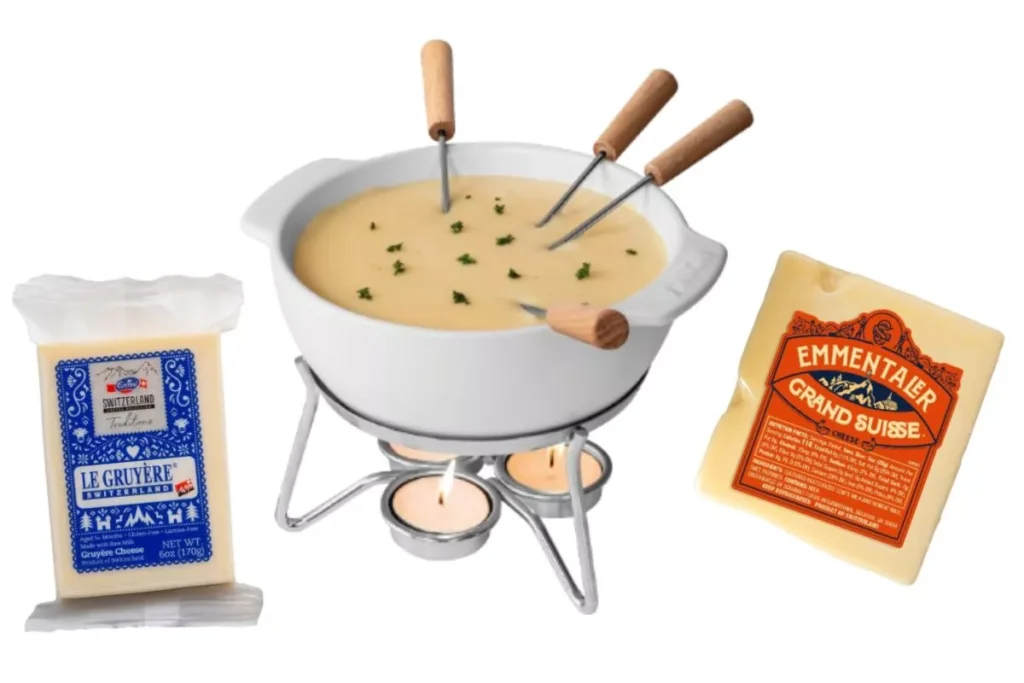
Finding the best cheese for fondue changed the way I cook for guests. I still remember my first real fondue night in a small kitchen in Geneva. The pot bubbled. The room smelled like toasted nuts and warm wine. One bite told me everything: cheese choice makes or breaks fondue. Bad cheese turns stringy or grainy. The best cheese for fondue melts silky, smooth, and full of flavor. This guide shares what I learned through years of testing, tasting, and serving fondue to friends and family.
Why Cheese Selection Matters for Fondue
Fondue looks simple. Melt cheese, add wine, dip bread. But the cheese does all the work. Choose the wrong cheese, and the fondue separates. Fat pools on top. Cheese clumps into rubbery strings. Choose the best cheese for fondue, and the texture stays glossy and pourable for the whole meal.
I learned this the hard way. Early on, I used a random block of supermarket cheese. It broke apart in the pot. Guests dipped bread into a greasy, uneven mess. That night taught me a rule I still follow: authentic Swiss fondue needs authentic Swiss cheese. Aged, high-quality wheels melt evenly. They carry natural acidity that keeps the sauce smooth.
Good fondue cheese also needs the right fat and moisture balance. Young cheese melts too thin. Over-aged cheese turns grainy. The sweet spot sits in cheese aged six months to a year. That aging builds flavor without wrecking texture.
Below, I break down the classic Swiss cheeses I trust for fondue. Each one plays a different role in the pot.
Related article:
- Best Swiss Cheese Fondue Recipe
- Best Chocolate Fondue Recipe
- Best Fondue Set for 2026: 4 Top Picks Tested
- Best Electric Fondue Pot Set: Is This Budget Electric Fondue Pot Worth It?
- Dicunoy Ceramic Fondue Mugs Review: Ceramic Melting Cups for Chocolate, Cheese and Caramel
Gruyère: The Gold Standard for Fondue
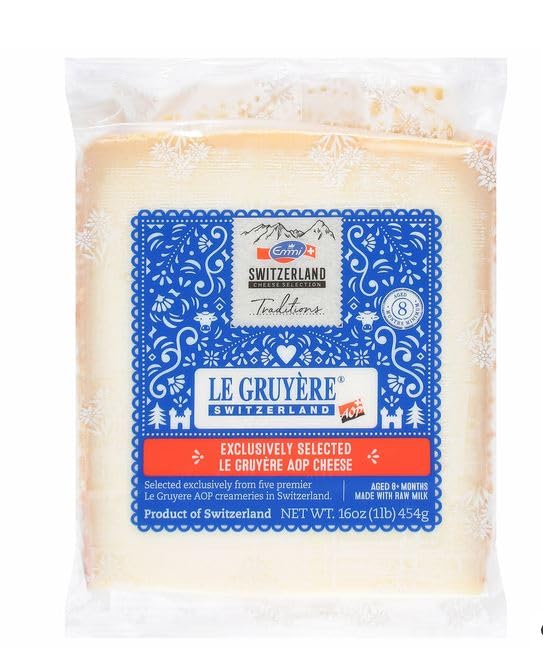
- Made with Raw Milk;
- Aged 8 Months Minimum
- Non-GMO Certified;
*As an Amazon Associate, we may earn a small commission from qualifying purchases made through our affiliate links, at no extra cost to you.
Gruyère is the best cheese for fondue, full stop. Every Swiss chef I trained under agreed on this point. Gruyère brings nutty, slightly sweet flavor. It melts into a smooth, elastic texture that coats bread perfectly.
Most traditional recipes build the fondue base around Gruyère. Use it for 50 to 60 percent of your cheese blend. Any less, and the fondue loses its signature depth.
I always reach for aged Gruyère, at least eight months old. Younger wheels taste flat. Older wheels bring caramel notes and a firmer bite that holds up to heat. When shopping, look for a wheel with a natural rind and a firm, dense center.
Gruyère alone can make a fine fondue. But pairing it with other cheeses rounds out the flavor. That’s where the next cheese comes in.
Emmentaler: Balance and Buttery Body

*As an Amazon Associate, we may earn a small commission from qualifying purchases made through our affiliate links, at no extra cost to you.
Emmentaler is the classic partner to Gruyère. It brings mild, buttery flavor and a creamy melt. Where Gruyère adds punch, Emmentaler smooths things out.
I use Emmentaler to soften the intensity of a Gruyère-heavy blend. It stops the fondue from tasting too sharp or nutty. Guests who find pure Gruyère fondue too strong often love a blend with Emmentaler mixed in.
Texture matters here too. Emmentaler melts loose and creamy. It helps the fondue pour smoothly over bread and vegetables. I usually add Emmentaler at 20 to 30 percent of the blend, right after the Gruyère base.
Buy a wedge with visible small holes and a pale yellow color. That marks proper aging and good melt quality. Skip pre-shredded Emmentaler. It often contains anti-caking agents that ruin fondue texture.
Appenzeller: Depth, Spice, and Character
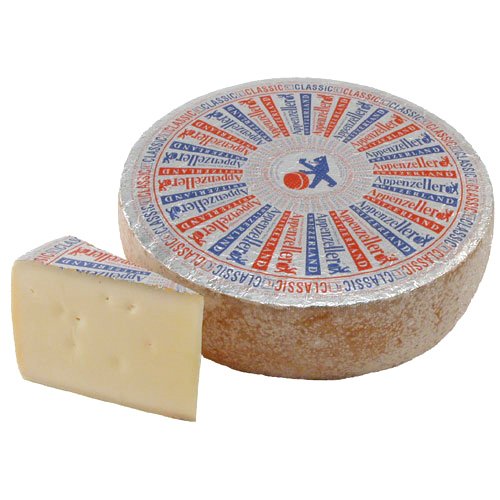
- Swiss Appenzeller Cheese is cut and wrapped by the hands of our food experts, Ships Prime expedited in an insulated pack…
- Swiss Appenzeller Cheese – This Swiss cheese is crafted in the canton of Appenzeller, near the Austrian border. After it…
- OUR DIFFERENCE – We champion small to mid-sized artisan food producers and help food lovers find more old favorites, rar…
*As an Amazon Associate, we may earn a small commission from qualifying purchases made through our affiliate links, at no extra cost to you.
Appenzeller adds personality. This cheese carries a pungent, herby flavor from its signature brine wash. Herbs, wine, and spices flavor the rind during aging. That process gives Appenzeller a bold taste unlike any other Swiss cheese.
I add Appenzeller in small amounts, usually 10 to 15 percent of the total blend. A little goes a long way. Too much, and it overwhelms the Gruyère and Emmentaler.
This cheese works best for guests who already love strong, savory flavors. I serve Appenzeller-heavy fondue at dinner parties with wine pairings, where bold flavor fits the mood.
Store Appenzeller wrapped in wax paper, not plastic. Plastic traps moisture and dulls the flavor. Let it sit at room temperature for twenty minutes before grating. That step helps it melt faster and blend evenly into the pot.
Vacherin Fribourgeois: Creamy and Delicate
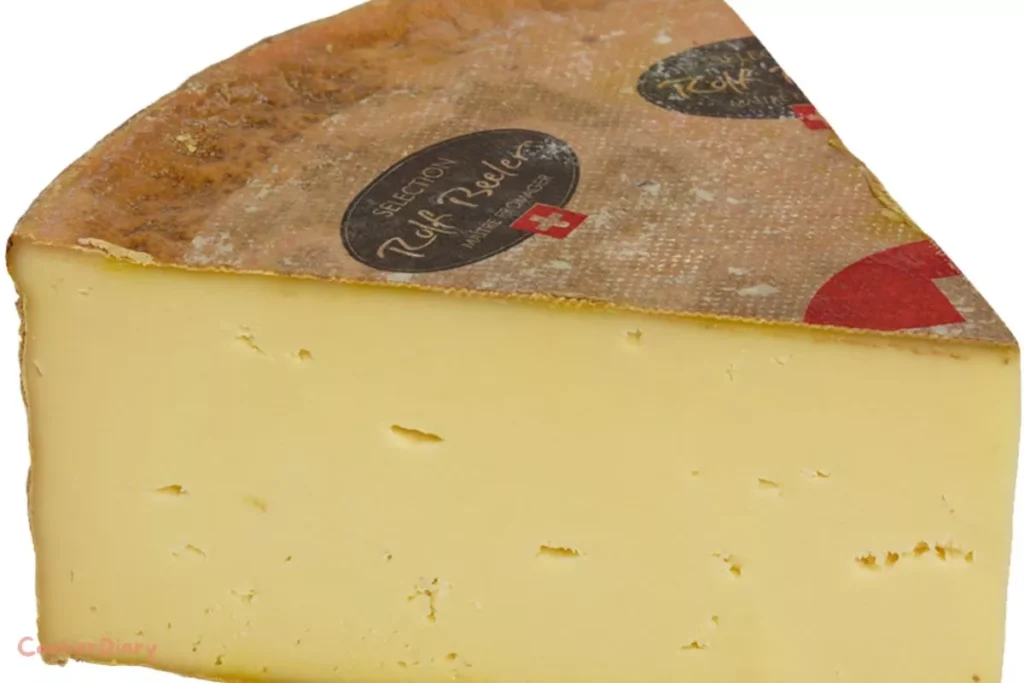
Vacherin Fribourgeois brings softness to the blend. This cheese melts incredibly creamy, with a mild flavor that never overpowers. I use it when I want a smoother, gentler fondue, especially for guests new to Swiss cheese.
Traditional Swiss recipes often call for Vacherin Fribourgeois alongside Gruyère, without Emmentaler. This pairing produces the classic “moitié-moitié” fondue, meaning half-and-half. It’s one of the smoothest fondue styles I’ve served.
Because Vacherin Fribourgeois melts so easily, add it later in the cooking process. Stir it in after the Gruyère has already melted and combined with the wine. This order keeps the texture even and prevents clumping.
Buy Vacherin Fribourgeois with a soft, washed rind. Avoid wheels with a dry or cracked surface. Freshness affects melt quality more with this cheese than any other on this list.
My Go-To Fondue Cheese Blend
After years of testing, I settled on one ratio. It works every time.
- 50% Gruyère
- 25% Emmentaler
- 15% Appenzeller
- 10% Vacherin Fribourgeois
This blend balances nutty depth, creamy texture, and bold aroma. Grate all cheese fresh. Never buy pre-shredded blocks. Fresh grating melts smoother and avoids the powdery coating found on packaged shreds.
Toss the grated cheese with a tablespoon of cornstarch before melting. This step, an old chef trick, keeps the fondue thick and prevents separation.
Related article:
- Best Swiss Cheese Fondue Recipe
- Best Chocolate Fondue Recipe
- Best Fondue Set for 2026: 4 Top Picks Tested
- Dicunoy Ceramic Fondue Mugs Review: Ceramic Melting Cups for Chocolate, Cheese and Caramel
Tips for Melting the Best Cheese for Fondue
Melting technique matters as much as cheese choice. Follow these steps for a smooth pot every time.
- Rub the pot with a cut garlic clove first.
- Heat dry white wine gently, don’t boil it.
- Add cheese in small handfuls, stirring constantly.
- Wait for each handful to melt before adding more.
- Keep heat low once fondue reaches full melt.
- Stir in a splash of kirsch at the end for classic flavor.
Patience makes the difference. Rushing the melt causes clumping. Low, steady heat gives the best cheese for fondue time to blend into a silky sauce.
Wondering what to serve alongside the cheese? Check out our guide to 30+ cheese fondue dippers for ideas beyond bread.
Final Thoughts on Choosing Fondue Cheese
The best cheese for fondue always starts with quality Swiss cheese. Gruyère forms the backbone. Emmentaler smooths the texture. Appenzeller adds bold character. Vacherin Fribourgeois brings creamy softness. Together, these four cheeses build the classic Swiss fondue experience I learned to love years ago.
Try different ratios. Taste as you go. Fondue rewards experimentation, and the right cheese blend turns a simple pot of melted cheese into a memorable meal.
FAQs on Best Cheese for Fondue
Gruyère is the best cheese for a fondue set. It melts smooth, tastes nutty, and holds up well over low heat. Pair it with Emmentaler for balance and a touch of Vacherin Fribourgeois for creaminess. A blend of 50% Gruyère, 25% Emmentaler, 15% Appenzeller, and 10% Vacherin Fribourgeois gives the most reliable results in a traditional fondue set.
Gruyère and Emmentaler melt best for dipping. Both cheeses have low moisture and high fat content, so they turn glossy and pourable instead of stringy or greasy. Vacherin Fribourgeois also melts well and adds a softer, creamier bite. Avoid pre-shredded cheese for dipping fondue — it contains anti-caking agents that keep it from melting smoothly.
Start with fresh-grated Gruyère, Emmentaler, Appenzeller, and Vacherin Fribourgeois in the ratio above. Rub the pot with garlic, warm dry white wine gently, and add cheese in small handfuls, stirring until each batch melts before adding more. Finish with a splash of kirsch for classic flavor. This FAQ only covers the basics — the full step-by-step recipe, with exact measurements and troubleshooting tips for a smooth pot every time, is up on CookerDiary. Read the complete Swiss cheese fondue recipe on CookerDiary →
No. Not every cheese melts well for fondue. Soft cheeses turn greasy, and low-fat cheeses turn grainy or separate. Fondue needs aged, high-fat cheese with good melting properties, like Gruyère, Emmentaler, Appenzeller, or Vacherin Fribourgeois. Cheddar or mozzarella won’t give you the same silky texture or authentic Swiss flavor.

One Comment
Comments are closed.