Bistro Shrimp Pasta Recipe: A Restaurant-Quality Dish at Home
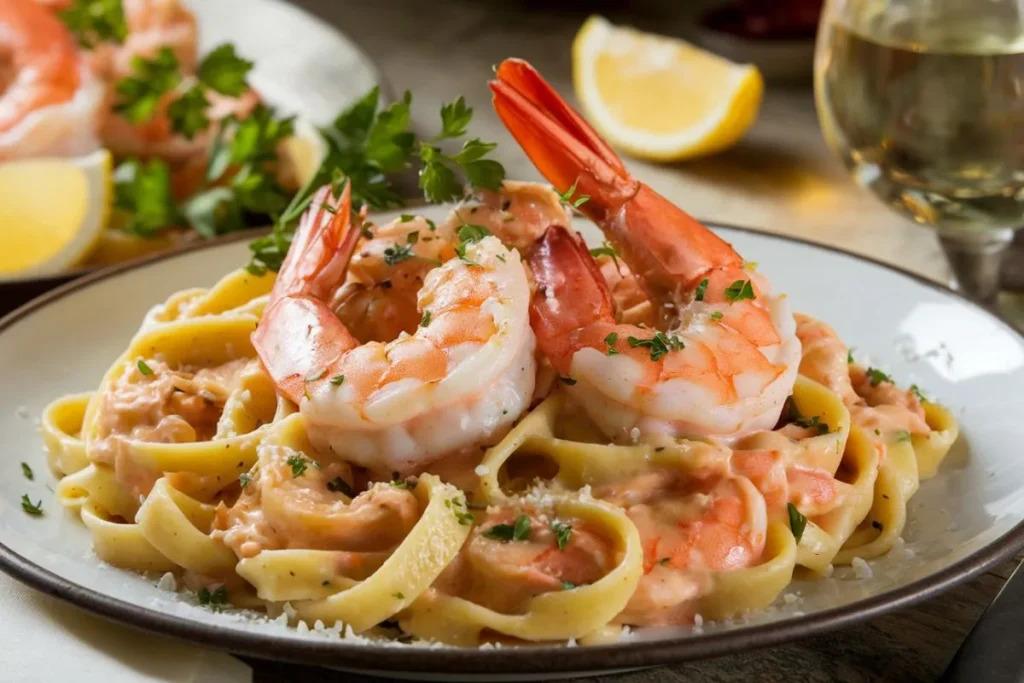
Imagine indulging in a rich, creamy bistro shrimp pasta that rivals the flavors of your favorite restaurant—except you made it in your own kitchen. This dish is the perfect balance of succulent shrimp, al dente pasta, and a velvety garlic-infused sauce. If you have ever wished to recreate a restaurant-quality meal at home without complicated techniques, this recipe is for you.
Bistro shrimp pasta is a go-to choice for those who love creamy pasta dishes with a hint of zest and spice. It is packed with flavor, comes together in under 30 minutes, and requires only a handful of ingredients. Whether you are preparing a special dinner for guests or just want a comforting meal on a weeknight, this recipe will impress.
In this article, we will explore the history of this dish, break down the ingredients, guide you through step-by-step cooking instructions, and share expert tips to ensure success. We will also provide variations and frequently asked questions to help you customize this dish to your liking.
Related: Easy Shrimp Scallop Recipe – A Seafood Lover’s Dream!
What Is Bistro Shrimp Pasta?
The Origins of Bistro Shrimp Pasta
Bistro shrimp pasta is inspired by Italian and French culinary traditions, blending the richness of a creamy sauce with the delicate flavors of fresh seafood. This dish became popular in upscale restaurants and bistros, where chefs sought to create an indulgent yet approachable seafood pasta. Over time, home cooks have embraced this recipe, making it a favorite among seafood and pasta lovers.
Why You’ll Love This Recipe
- Easy to make – This dish comes together quickly with simple steps.
- Restaurant-quality at home – Enjoy gourmet flavors without the hefty price tag.
- Customizable – Adjust the spice level, swap ingredients, or add veggies to suit your preferences.
- Perfect for any occasion – Whether it’s a family dinner or a special date night, this dish never disappoints.
Ingredients for Bistro Shrimp Pasta
Main Ingredients
| Ingredient | Quantity |
|---|---|
| Large shrimp (peeled & deveined) | 1 lb |
| Linguine or fettuccine pasta | 12 oz |
| Olive oil | 2 tbsp |
| Butter | 3 tbsp |
| Garlic (minced) | 4 cloves |
| Heavy cream | 1 cup |
| Parmesan cheese (grated) | ½ cup |
| Lemon zest | 1 tsp |
| Cherry tomatoes (halved) | 1 cup |
| Fresh parsley (chopped) | 2 tbsp |
| Red pepper flakes | ½ tsp |
| Salt & black pepper | To taste |
Related: Easy BBQ Shrimp Recipe
Optional Additions & Substitutions
- White wine – Adds flavor to the sauce.
- Spinach or mushrooms – Adds texture and boosts nutrition.
- Gluten-free pasta – A great alternative for those with dietary restrictions.
How to Make Bistro Shrimp Pasta (Step-by-Step Guide)
1. Cook the Pasta
- Fill a large pot with water, add salt, and bring it to a rolling boil.
- Cook the pasta following the package directions until it reaches an al dente texture.
- Before draining the pasta, save ½ cup of the cooking water and keep it aside.
2. Prepare the Shrimp
- Warm olive oil and butter in a large skillet over medium heat.
- Add minced garlic and sauté until fragrant.
- Add the shrimp to the pan. Season with salt, black pepper, and red pepper flakes.
- Cook for 2-3 minutes per side until shrimp turn pink and opaque. Remove shrimp from the pan and set aside.
3. Make the Creamy Sauce
- Lower the heat and add heavy cream to the skillet.
- Stir in Parmesan cheese and lemon zest, allowing the cheese to melt into the sauce.
- If the sauce feels too thick, simply add a little of the reserved pasta water to thin it out.
4. Combine Everything
- Return the cooked shrimp to the skillet and mix well.
- Toss the drained pasta into the sauce, ensuring it is evenly coated.
- Stir in cherry tomatoes and garnish with fresh parsley.
Related: One Pot Meal Recipe with Sweet Potatoes -Rice -Pasta
Expert Tips & Variations
Cooking Tips for the Best Shrimp Pasta
Getting the perfect shrimp pasta requires attention to detail. Here are some essential tips to ensure your dish turns out delicious every time.
Use Fresh Shrimp for the Best Texture and Flavor
Fresh shrimp makes a significant difference in both taste and texture. If possible, buy wild-caught shrimp instead of farmed varieties, as they often have a sweeter and more pronounced flavor. Look for shrimp that are firm to the touch, with a mild sea scent. If using frozen shrimp, thaw them properly by placing them in the refrigerator overnight or running them under cold water for a few minutes. Avoid shrimp that smell overly fishy or have a slimy texture, as these are signs of spoilage.
Do Not Overcook the Shrimp
Shrimp cook fast and can turn rubbery if cooked too long. They only need about two to three minutes per side, depending on their size. Once the shrimp turn pink and opaque, they’re done. Overcooking causes them to shrink and become tough. To prevent this, remove them from the heat as soon as they are done. If cooking them in a sauce, consider searing them first and setting them aside, then adding them back in just before serving to keep them tender.
Reserve Pasta Water to Loosen the Sauce
One of the secrets to restaurant-quality pasta is using reserved pasta water. The starchy water helps bind the sauce, giving it a silky texture and ensuring it coats the pasta evenly. Before draining your pasta, save about half a cup of the cooking water. If your sauce feels too thick or dry, add small amounts of the reserved water while stirring until you reach the desired consistency. This step enhances both the texture and flavor of your dish.
Bistro Shrimp Pasta Recipe Variations
Spicy Version
If you enjoy bold flavors, turning this dish into a spicy delight is simple. Increase the amount of red pepper flakes for a stronger kick. Start with an extra ½ teaspoon and adjust based on your spice tolerance. You can also add a dash of hot sauce, such as sriracha or cayenne-based sauces, to elevate the heat. Another option is to sauté chopped jalapeños or serrano peppers with the garlic to infuse the dish with a fresh, fiery flavor. Pair this version with a cooling side like a simple cucumber salad to balance the spice.
Lemon Butter Sauce
For a lighter, tangy twist, replace the heavy cream with a mixture of lemon juice and butter. Melt 4 tablespoons of butter in the pan, then stir in 2 tablespoons of fresh lemon juice. This creates a smooth, velvety sauce with a citrusy brightness that enhances the shrimp’s natural sweetness. You can also add a little white wine for extra depth. This variation pairs well with fresh herbs like basil or parsley and works especially well in warmer weather when you crave a refreshing, lighter meal.
Dairy-Free Option
If you’re avoiding dairy, substitute the heavy cream with full-fat coconut milk. It provides a rich, creamy texture without the need for traditional dairy products. Coconut milk adds a slight sweetness that complements the shrimp and garlic beautifully. For a more neutral flavor, use unsweetened almond or cashew milk, thickened with a bit of cornstarch. To enhance the umami depth, add a splash of vegetable or seafood broth. This version is perfect for those who are lactose intolerant or following a dairy-free diet.
Frequently Asked Questions (FAQs)
1. Can I use frozen shrimp for Bistro Shrimp Pasta recipe?
Yes, you can use frozen shrimp, but it’s important to thaw them properly before cooking. The ideal method is to refrigerate them overnight. If you’re short on time, you can also run cold water over the shrimp in a colander for about 10-15 minutes. Do not use hot water, as it may alter the texture!
Once thawed, pat the shrimp dry with a paper towel before cooking to prevent excess moisture from affecting the sauce.
2. What pasta works best for Bistro Shrimp Pasta?
Linguine and fettuccine are the top choices for this dish because their wider shape holds the creamy sauce well. However, you can also use spaghetti for a classic feel or penne for a more bite-sized experience. If you’re looking for a healthier option, whole wheat or chickpea pasta can work too. The key is to cook the pasta Al Dente so it doesn’t become too soft when mixed with the sauce.
3. How do I store and reheat leftovers?
To store leftovers, transfer the pasta to an airtight container and refrigerate it for up to three days. If you need to keep it longer, you can freeze it, though the sauce may slightly change in texture when thawed.
To reheat, avoid using the microwave, as it can make the shrimp rubbery. Instead, warm the pasta over low heat in a pan, adding a splash of milk, cream, or broth to help loosen the sauce. Stir gently until heated through. If using a microwave, reheat in short intervals, stirring between each to prevent overheating.
4. Is Bistro Shrimp Pasta gluten-free?
The traditional version is made with regular wheat-based pasta, which is not gluten-free. However, you can easily make this dish gluten-free by using high-quality gluten-free pasta. Brown rice pasta, quinoa pasta, or chickpea pasta are good alternatives. Also, check that any other ingredients, like the sauce thickener, are gluten-free. Some store-bought Alfredo or cream-based sauces may contain gluten, so it’s best to make the sauce from scratch or read ingredient labels carefully.
Final Thoughts: Savor the Perfect Bistro Shrimp Pasta at Home
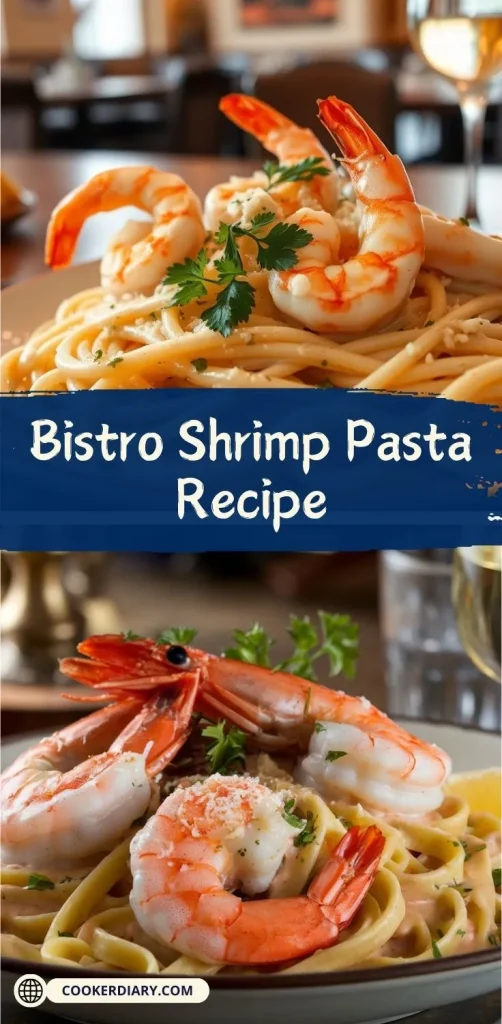
Bistro Shrimp Pasta is a dish that delivers restaurant-quality flavors in the comfort of your own home. With a creamy, garlicky sauce and tender shrimp, it is the perfect balance of richness and freshness. Whether you are looking for an easy weeknight meal or a special dish for guests, this recipe will impress.
Give it a try today and enjoy a gourmet experience with every bite!