Burnt Basque Cheesecake Recipe

The first time I tried a Basque cheesecake recipe, I almost thought the baker had made a mistake. Its top looked burnt, the edges cracked, and the center seemed too soft. But one bite changed everything. Beneath that rustic, caramelized surface was a silky custard-like texture that melted on my tongue.
This Basque Cheesecake Recipe is Spain’s answer to the classic cheesecake — bold, simple, and intentionally imperfect. Born in San Sebastián at the iconic La Viña restaurant, it’s become a global favorite for home bakers who crave both ease and elegance. Today, I’ll guide you through making this masterpiece at home, no culinary degree required.
Why This Basque Cheesecake Recipe Works
The Basque Cheesecake isn’t your typical baked dessert. It skips the crust, ditches the water bath, and thrives under high heat. This simplicity is exactly what makes it irresistible.
- It’s Burnt on Purpose: Unlike New York-style cheesecakes that strive for smooth perfection, the Basque version embraces its imperfections. The high baking temperature caramelizes the top, giving it a deep, smoky sweetness that contrasts beautifully with its creamy center.
- It’s Foolproof for Home Bakers: You don’t need special techniques or complicated tools. With just a springform pan and parchment paper, you can make a dessert that looks artisanal without the stress.
- It’s All About Texture: The secret lies in balance. The outer layer is slightly firm, the middle creamy and custardy — a combination that captures Spain’s rustic, soul-warming approach to dessert.
- It’s Adaptable: Whether you want to infuse it with espresso, chocolate, or citrus, this recipe adapts beautifully to your preferences.
Basque Cheesecake Recipe
Recipe at a Glance
| Prep Time | Cook Time | Total Time | Servings | Cuisine | Difficulty |
|---|---|---|---|---|---|
| 15 mins | 60 mins | 1 hr 15 mins | 8 | Spanish | Easy |
Equipment – Amazon’s Overall Picks
- Springform Pan – ensures even baking and easy release
- Parchment Paper Sheets – creates a signature wrinkled look
- Electric Hand Mixer – helps achieve a smooth, lump-free batter
- Mixing Bowls Set – makes prep faster and organized
- Oven Thermometer – ensures accurate baking temperature
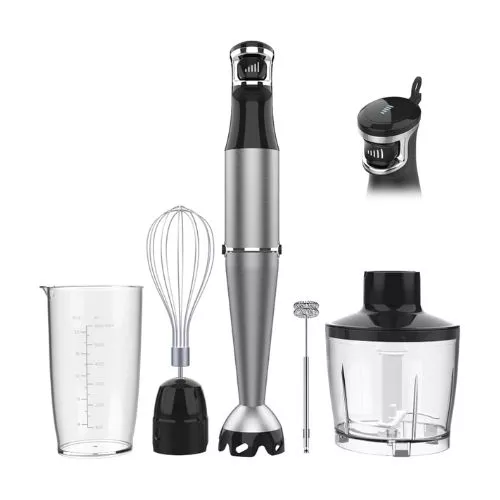
Upgrade your kitchen game with the Immersion Blender Handheld 5-in-1 Set (1100W) — perfect for whipping up silky soups, creamy cheesecake batters, baby food, and smoothies in seconds. From whisking to chopping, this tool does it all — a must-have for every serious home cook.
As an Amazon Associate, I earn from qualifying purchases, at no additional cost to you.
Ingredients
| Ingredient | Quantity |
|---|---|
| Cream cheese | 2 lbs (900g) |
| Sugar | 1 cup (200g) |
| Eggs | 5 large |
| Heavy cream | 1 cup (240ml) |
| All-purpose flour | 2 tbsp |
| Vanilla extract | 1 tsp |
| Salt | Pinch |
Ingredient Tips
- Always use room-temperature cream cheese for a smooth texture.
- Replace flour with cornstarch for a gluten-free version.
- Add lemon zest or espresso powder for a flavor twist.
Recipe Instructions
- Preheat your oven to 400°F (200°C). Line a 9-inch springform pan with parchment paper, letting it overhang.
- Beat cream cheese and sugar in a large bowl until completely smooth.
- Add eggs one at a time, mixing after each addition.
- Pour in heavy cream, vanilla, flour, and salt. Mix gently until fully incorporated.
- Pour the batter into the prepared pan.
- Bake for 55–60 minutes until the top is deeply golden brown and slightly burnt.
- Cool at room temperature for 1 hour, then refrigerate for at least 4–6 hours before slicing.
The result? A rustic dessert with a caramelized crown and a creamy, melt-in-your-mouth center.

Chef’s Tips and Variations
- Jiggle Test: The cheesecake should wobble slightly when done. It firms up as it cools.
- Caramel Flavor Boost: Dust the top with a bit of brown sugar before baking.
- Serving Ideas: Pair with a drizzle of honey or fresh berries for contrast.
- Mini Versions: Bake in ramekins for 25 minutes to create single servings.
Variations You’ll Love:
- Chocolate Basque Cheesecake: Add melted dark chocolate for richness.
- Coffee Cheesecake: Stir in instant espresso for a café-inspired version.
- Honey-Lavender Twist: Add a teaspoon of dried lavender for floral notes.
More cheesecake recipes:
- Mint Chocolate Cheesecake Recipe
- No-Bake Buckeye Cheesecake Bars
- Creamy Butter Pecan Cheesecake with Crunchy Pecan Topping
- Lemon Blueberry Cheesecake Recipe
- Reese’s Peanut Butter Cheesecake with Oreo Crust
Nutrition Information (Per Serving)
| Nutrient | Amount |
|---|---|
| Calories | 420 kcal |
| Fat | 32g |
| Carbohydrates | 25g |
| Protein | 8g |
| Sugar | 21g |
| Sodium | 200mg |
FAQs About Basque Cheesecake Recipe
The secret is very high heat. Baking at a high temperature (typically 400-450°F / 200-220°C) quickly puffs up the cheesecake, creating a dark, caramelized “burnt” exterior while the inside remains a creamy, jiggly, and rich custard. Unlike New York style, cracking is the goal.
Yes. “Basque Cheesecake” and “Burnt Cheesecake” refer to the same dessert. It originated at La Viña restaurant in San Sebastián, Spain. The names are interchangeable, with “Burnt” describing its signature dark, caramelized top.
Full-fat, brick-style cream cheese (like Philadelphia) is the best and most traditional choice. It provides the ideal rich, tangy, and smooth base. Do not use whipped or low-fat cream cheese, as the texture and fat content are crucial for the proper custardy interior and rise.
The ingredients are simple:
– Cream Cheese
– Sugar
– Eggs
– Heavy Cream
– A small amount of Flour (or a substitute like cornstarch)
– Vanilla Extract (optional)
There is no crust. The ingredients are blended until smooth, poured into a parchment-lined pan, and baked at a high temperature until dramatically risen and dark.
A Sweet Farewell from Spain
There’s something poetic about the Basque Cheesecake Recipe. It defies perfection — burnt, cracked, and utterly beautiful. This dessert celebrates simplicity and flavor over aesthetics, reminding us that sometimes the most unforgettable creations are born from happy accidents.
If you’ve ever dreamed of recreating a café experience from San Sebastián in your own kitchen, this is your chance. With minimal effort and pure ingredients, you can serve a dessert that feels both comforting and indulgent.
Try it once, and you’ll understand why the world fell for this Spanish treasure. And if you do, share your version and tag @CookerDiary — I’d love to see your twist on it.
Disclaimer:
This post contains affiliate links. As an Amazon Associate, I earn from qualifying purchases, at no additional cost to you. Nutrition values are approximate and may vary based on ingredients used.