Cake Knife: Top Mistakes to Avoid When Using it

Imagine spending hours baking a beautiful cake, decorating it with care, only to watch it fall apart when you cut the first slice. It’s a feeling many bakers and hosts know all too well. Whether it’s a birthday party, a wedding, or a small family gathering, cutting the cake should be a moment of joy, not stress. I still remember my niece’s birthday, where my shaky hand and a dull knife turned her princess-themed cake into a crumbly mess. That day taught me an important lesson: the right cake knife and cutting technique make all the difference. If you want to serve clean, elegant slices that wow your guests, avoiding common cake knife mistakes is essential.
Related: Simple Rustic Wedding Cake Recipe (With Expert Tips!)
Common Cake Cutting Mistakes That Ruin Your Masterpiece
Even the most stunning cake can be ruined by simple, avoidable mistakes. It’s heartbreaking to spend hours baking and decorating, only to see your beautiful work crumble at the final step. Fortunately, being aware of common errors can help you avoid a cake-cutting disaster. Here are some of the biggest mistakes people make and how you can prevent them.
Using the Wrong Type of Cake Knife
Many people grab the first knife they see without giving it much thought. However, choosing the wrong knife can easily damage your cake. A regular kitchen knife often pulls at the soft texture, tearing through delicate layers and decorations.
For example, using a straight-edged knife on a soft sponge or mousse cake usually leads to messy, uneven slices. On the other hand, a serrated knife or a specialized cake knife is designed to glide through the cake smoothly. It preserves the structure and keeps decorations intact.
Therefore, always choose your cutting tool carefully. If your cake has fondant or thick layers of frosting, a sharp serrated knife is your best friend. In addition, wiping the knife clean between slices can help maintain the cake’s appearance.
Cutting the Cake Too Soon
Patience is crucial when serving cake. It can be tempting to dive right in, especially when the kitchen smells amazing and everyone is eager for a slice. However, cutting into a cake immediately after baking or frosting often leads to disaster.
When a cake is still warm, it is fragile. The structure hasn’t fully set, and the frosting might be too soft. As a result, slicing too soon can cause the cake to collapse, tear, or crumble into pieces.
To avoid this, let your cake cool completely after baking. If you’ve just frosted it, it’s wise to let it rest in the refrigerator for at least an hour. This extra time helps firm up the cake and the frosting, making it much easier to cut neat, clean slices.
For special occasion cakes, such as tiered wedding cakes or elaborate birthday creations, chilling the cake slightly before cutting is even more important. A firmer cake holds its shape better and looks more polished when served.
Applying Too Much Pressure
Another common mistake is pressing too hard when slicing the cake. While it might seem like putting more force will get a cleaner cut, the opposite is usually true. Pushing down hard flattens the layers and squeezes out fillings, ruining the visual appeal of each slice.
Instead, use a gentle sawing motion when cutting, especially if you are dealing with soft sponges, mousse cakes, or cakes with multiple layers. Start by making a light incision, then continue with smooth, back-and-forth movements to slice through cleanly.
In addition, if the knife starts to stick to the frosting or fillings, dipping it in warm water and wiping it dry between cuts can make a big difference. This small step reduces friction and keeps the slices looking neat and professional.
Ignoring the Cake’s Structure
Not all cakes are built the same. Some are light and airy, while others are dense and heavy. Cutting a light angel food cake the same way you would cut a rich chocolate ganache cake is a recipe for disaster.
Therefore, before you start slicing, consider the type of cake you have. Light cakes need extra care to avoid crushing them. Heavier cakes may require a firmer hand but still benefit from a gentle touch.
Additionally, if you’re dealing with a tiered cake, it’s important to dismantle it correctly. Remove support dowels and separate the tiers before slicing. This prevents collapsing and ensures every guest gets a picture-perfect slice.
Forgetting About Presentation
While cutting the cake cleanly is important, so is how you serve it. Large, uneven slices can make it harder to distribute pieces evenly among guests. In addition, messy slices might take away from the elegance of your event.
It’s wise to plan your slices in advance. For round cakes, cutting a small circle out of the center and then slicing the ring into even pieces works well. For sheet cakes, using a ruler to guide your cuts can help maintain uniformity.
Moreover, serving the cake with the right utensils, like a pie server or cake lifter, helps keep the slices intact as you move them to plates.
Overlooking Cake Knife Care During Cutting
It’s easy to forget about the knife once you start cutting. However, not cleaning the blade between slices can make the cake look messy. Frosting and crumbs build up quickly, dragging through the next piece and spoiling its clean lines.
Therefore, after every few slices, wipe the knife clean with a damp cloth or rinse it under warm water. This keeps your cuts smooth and your cake looking its best.
Rushing the Process
In the excitement of the moment, many people rush through cutting the cake. Unfortunately, hasty slicing often leads to broken, uneven pieces that don’t do your masterpiece justice.
Instead, take your time. Make a gentle first cut, use the right motion, and focus on each slice. Your guests will appreciate the care you took, and the cake will look just as stunning on the plate as it did on the table.
Skipping a Practice Run
If you’re planning to cut an important cake, like at a wedding or big celebration, practicing beforehand is a smart idea. Many people don’t think about how to cut a multi-layer cake until they are standing in front of it.
Practicing on a smaller cake helps you get a feel for the right technique and speed. It also builds confidence, so when the real moment arrives, you can cut with ease and grace.
Choosing the Right Cake Knife for Every Occasion
Related: Moana Cake Recipe: A Tropical Treat for Any Occasion
Selecting the right cake knife isn’t just about convenience—it’s about achieving clean, professional-looking cuts. Let’s explore how to choose the perfect tool for the job.
Stainless Steel vs. Ceramic Cake Knives
Different materials offer different benefits. Stainless steel is durable and easy to sharpen, while ceramic knives are extremely sharp but require careful handling to avoid chips and breaks.
Here’s a quick comparison:
| Feature | Stainless Steel Knife | Ceramic Knife |
|---|---|---|
| Sharpness | High | Very High |
| Durability | Excellent | Fragile |
| Maintenance | Easy | Requires Care |
| Ideal for | All cakes | Soft, delicate cakes |
Best Knives for Different Cakes
- Buttercream Cakes: A serrated stainless-steel knife slices through creamy layers cleanly.
- Fondant Cakes: A non-serrated blade is ideal to avoid dragging the fondant.
- Layered Cakes: A long, serrated knife helps maintain the cake’s structure during cutting.
Essential Features to Look For
When shopping for a cake knife, pay attention to these features:
- A sharp, serrated edge
- A comfortable, non-slip handle
- Blade length suited to the size of your cakes (at least 8 inches for layered cakes)
Choosing the right cake knife can be the difference between a picture-perfect slice and a dessert disaster.
Pro Techniques for Smooth Cake Slicing
Knowing how to slice a cake is just as important as choosing the right knife. A poor cut can ruin the presentation, no matter how beautiful the cake is. Fortunately, with a few smart techniques, you can serve clean, even slices every time.
Warm the Cake Knife
One simple but powerful trick is warming the knife before slicing. Soak the blade in hot water for a few seconds. Then, dry it off completely with a clean towel. A heated knife smoothly cuts through both soft and dense cakes. For example, cheesecakes, ganache-covered desserts, and mousse cakes benefit greatly from this method. In addition, warming the knife helps prevent cracks or splits in delicate textures. Therefore, always take a few extra seconds to heat the knife first—it makes a big difference.
Slice Layered and Fondant Cakes Carefully
Layered cakes need extra care when slicing. The multiple layers of cake and filling can easily shift or squish if you press too hard. Instead, insert the knife at a slight angle. Gently saw back and forth instead of pressing the knife straight down. This gentle action allows you to cut through layers without making them collapse.
Similarly, fondant-covered cakes demand precision. Dragging the knife through fondant can stretch or tear it, leading to an uneven look. Therefore, you should lift the knife slightly between strokes when working with fondant. Keeping the pressure light and steady ensures the fondant stays smooth and intact.
For special occasion cakes, like wedding or birthday cakes, a little patience while slicing goes a long way. Guests notice the difference when each slice looks professionally served.
Clean the Cake Knife Blade Between Cuts
Cleaning the knife after each slice is another critical step. Frosting, crumbs, and fillings stick to the blade. If you don’t wipe it off, the buildup smears across the next slice. This not only looks messy but can also pull apart delicate layers.
After every cut, use a damp cloth or paper towel to wipe the blade clean. Some bakers even keep a glass of warm water nearby. They dip the knife after each cut, wipe it dry, and continue slicing. This small habit keeps every piece neat and picture-perfect.
In addition, cleaning the blade prevents cross-contamination of flavors. For example, if you are slicing a cake with multiple fillings, like chocolate and fruit layers, wiping the knife ensures pure, separate flavors in each piece.
Use a Gentle Touch
Though it may be tempting to rush, patience is essential when slicing. Pressing too hard causes cakes, especially spongy ones, to compress and lose their shape. A gentle, consistent pressure produces cleaner lines and preserves the cake’s structure.
For best results, let the knife do the work. Sharp blades combined with careful motion make even tricky cakes easy to slice beautifully.
Plan Your Cuts Ahead
Before making the first slice, take a moment to plan. Visualize how many servings you need and where you should make your cuts. For round cakes, start by cutting a small circle in the center, then slice the outer ring into even pieces. For rectangular cakes, cutting straight rows works best.
Planning your cuts helps maintain consistency in portion size. It also avoids overhandling the cake, which can lead to smudging or crumbling.
Top Tools to Pair with Your Cake Knife for Flawless Serving
Related: T-fal Cookware 12-Piece Set Review
A cake knife doesn’t work alone. To serve cake perfectly, you need a few extra tools by your side. These items not only make the job easier but also ensure every slice looks just as beautiful as the next. Let’s explore what you should have ready for a flawless cake-serving experience.
Cake Server vs. Cake Knife
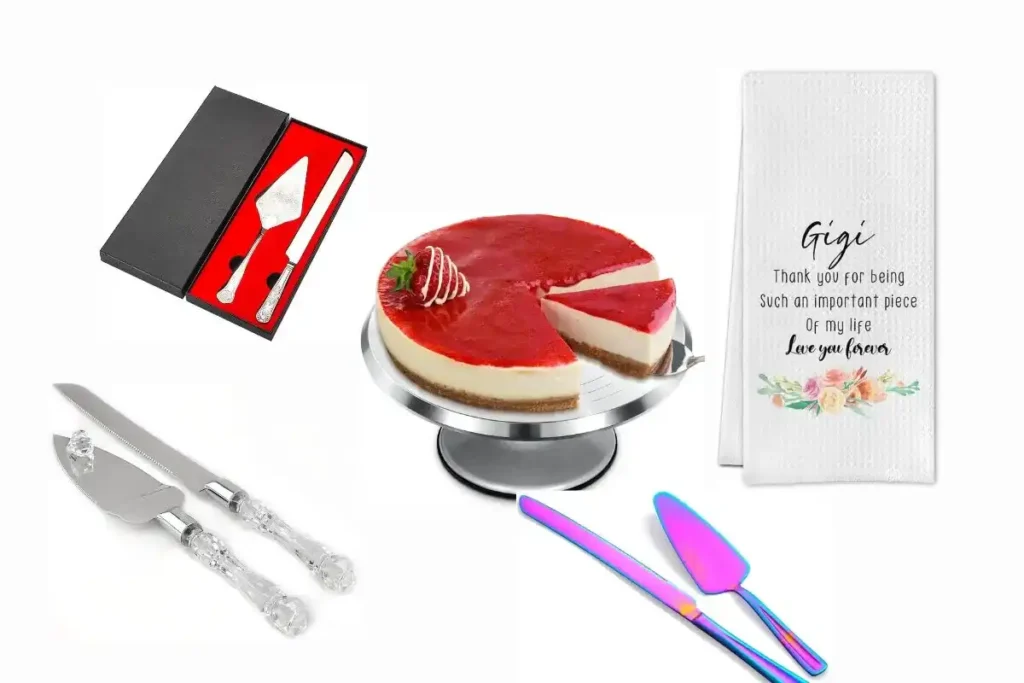
While a cake knife is designed specifically for cutting through soft or layered textures, it often leaves the job only half done. You also need a cake server. A cake server allows you to lift each slice gently from the base. This prevents slices from falling apart or getting messy.
In many cases, using a knife without a server can cause problems. For example, the slice may collapse or lose its shape. Therefore, having both tools in hand guarantees a cleaner, neater serving process. Additionally, investing in a matching cake knife and server set not only looks beautiful but also provides a balanced, seamless experience. Many sets are even designed to fit perfectly together, making each slice a true showpiece.
Must-Have Accessories
In addition to a cake knife and server, several other tools can elevate your cake-serving skills. Each of these items plays a specific role, helping you create a smooth and polished presentation.
Cake Lifter
First, consider a cake lifter. Unlike a cake server, a cake lifter is larger and sturdier. It is perfect for moving full cake layers, especially when decorating or assembling multi-tiered cakes. Without a lifter, there is a high risk of breaking fragile layers.
For example, if you are working with a delicate sponge cake, a cake lifter slides underneath and offers complete support. This minimizes cracks and keeps your masterpiece intact. Many professional bakers swear by cake lifters when handling heavy or intricate designs.
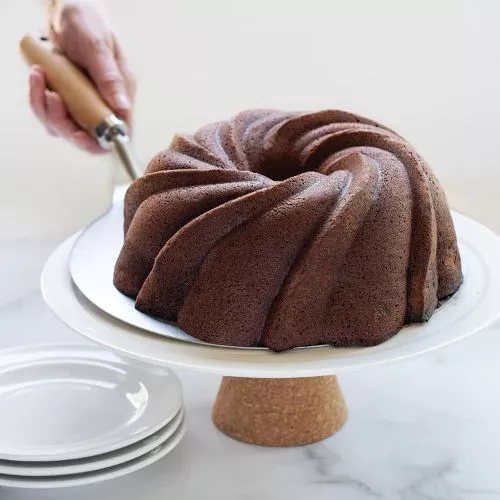
Lift your cakes like a pro with the Nordic Ware Cake Lifter — sturdy, non-stick, and designed for perfect transfers every time. Say goodbye to broken layers and messy flips.
Cake Turntable
Another invaluable tool is the cake turntable. It may seem unnecessary at first, but once you try it, you’ll see the difference. A cake turntable allows you to spin the cake smoothly while slicing or decorating. Instead of awkwardly shifting the cake around by hand, you can rotate it gently for even cuts.
In addition, a turntable improves your control. It helps you access every angle easily, which is crucial when you want equal-sized slices. Whether you’re cutting, frosting, or serving, a turntable speeds up the process and reduces mistakes.
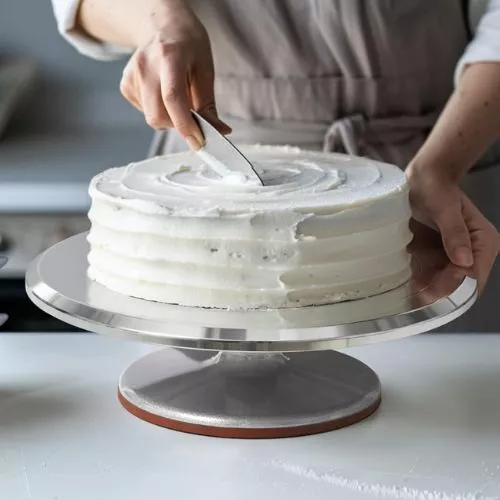
Take your cake decorating to the next level with the Kootek Aluminium Alloy Revolving Cake Stand (12-Inch)! Smooth rotation, durable design, and perfect stability for precise frosting and decorating. Ideal for cakes, cupcakes, and all your baking creations.
Kitchen Towel
It might sound simple, but a clean kitchen towel is an essential companion. Cakes can sometimes be slippery, especially when frosted. Having a towel nearby allows you to keep your hands dry and your grip secure.
Additionally, you can use a towel to clean the cake knife between slices. This small habit prevents frosting buildup and ensures that each cut looks clean and professional. In short, never underestimate the power of a handy kitchen towel.
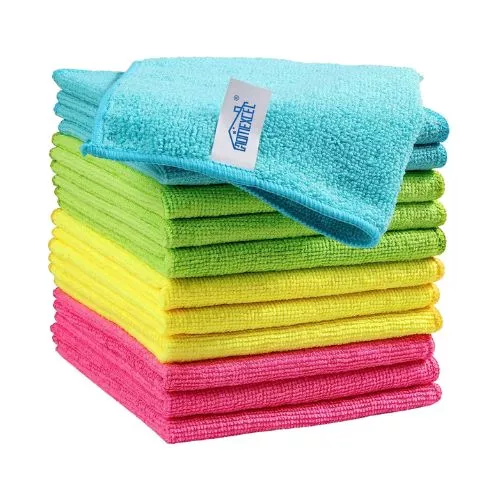
Make cleaning faster, easier, and streak-free with HOMEXCEL Microfiber Cleaning Cloths (12-Pack)! Ultra-absorbent, lint-free, and reusable — perfect for tackling dust, spills, and smudges anywhere in your home.
Cake Knife Recommended Brands
Choosing the right brands for your cake tools can make a world of difference. High-quality tools don’t just perform better; they last longer and make serving more enjoyable.
Wüsthof Cake Knife
To start, Wüsthof is a top choice for premium knives and servers. Based in Germany, Wüsthof has been crafting precision tools for over 200 years. Their cake knives are known for being razor-sharp and incredibly well-balanced.
If you want a set that feels luxurious and reliable, Wüsthof is hard to beat. For instance, many professional pastry chefs favor Wüsthof for its durability and elegant design. Learn more about Wusthof knives on Amazon and pick your item for today.
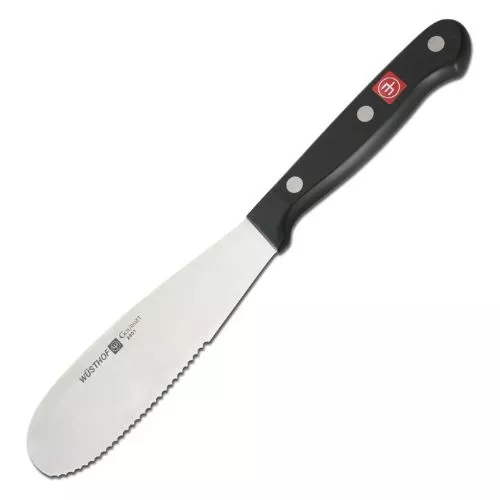
Upgrade your kitchen essentials with the WÜSTHOF Gourmet 5″ Spreader Knife — precision-crafted in Germany for effortless spreading and slicing. Perfect for butter, soft cheese, or your favorite spreads.
Victorinox Cake Knives
On the other hand, if you are seeking quality at a more affordable price, Victorinox is a fantastic option. Famous for creating the Swiss Army Knife, Victorinox also produces excellent kitchen tools.
Their cake knives offer great balance, sharpness, and comfort at a price point that suits everyday users. Therefore, if you are just starting your baking journey, Victorinox offers outstanding value.
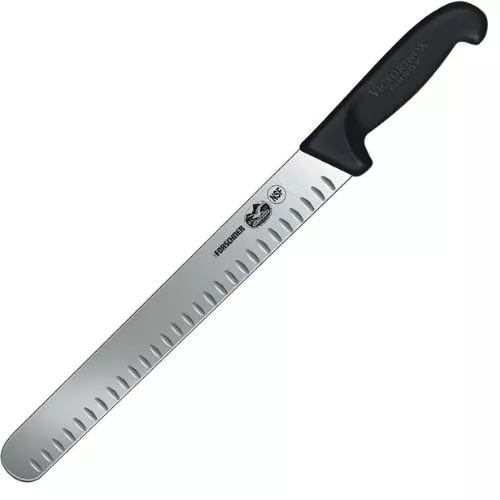
Slice with precision using the Victorinox Fibrox Pro 12-Inch Knife — engineered for ultimate cutting performance and control. From meats to cakes to sandwiches, this long, razor-sharp blade glides through every cut with ease.
Zwilling Cake Knife
Finally, Zwilling is another trusted name. Known for blending tradition with modern innovation, Zwilling offers serving sets that are not only functional but also stylish. Their cake knives and servers feel sturdy in hand and look beautiful on any table.
In addition, Zwilling’s attention to detail ensures that their blades stay sharp for a long time. Many hosts prefer Zwilling tools for events and parties, knowing they’ll deliver a flawless experience every time.
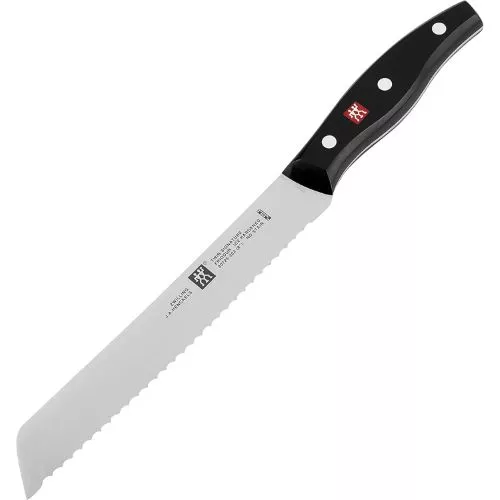
Cut through cakes and breads with effortless precision using the ZWILLING TWIN Signature 8-Inch Cake and Bread Knife. Crafted in Germany with an ultra-sharp serrated edge and ergonomic handle for perfect control every time.
Putting It All Together
Equipping yourself with the right accessories ensures that your cake-serving moments feel effortless and joyful. While a cake knife is the star of the show, it truly shines when paired with a reliable server, a sturdy lifter, a practical turntable, and simple tools like a kitchen towel.
Therefore, whether you are preparing for a casual birthday party or an elegant wedding celebration, investing in these tools will always pay off. They not only protect your beautiful cakes but also elevate the entire experience for you and your guests.
Discover different cake knives and cakes must-have tools on Amazon.
Pro Tips for a Flawless Cake Cutting Experience at Special Events
Special events like weddings, anniversaries, and milestone birthdays deserve flawless cake moments. Cutting the cake in front of guests is often a key highlight. As a result, planning ahead and steering clear of common mistakes is crucial. Here’s how to ensure your cake cutting experience is smooth and memorable.
Related: Heart Cake Recipe: Valentine’s Day Special
Choose the Right Wedding Cake Knife Set
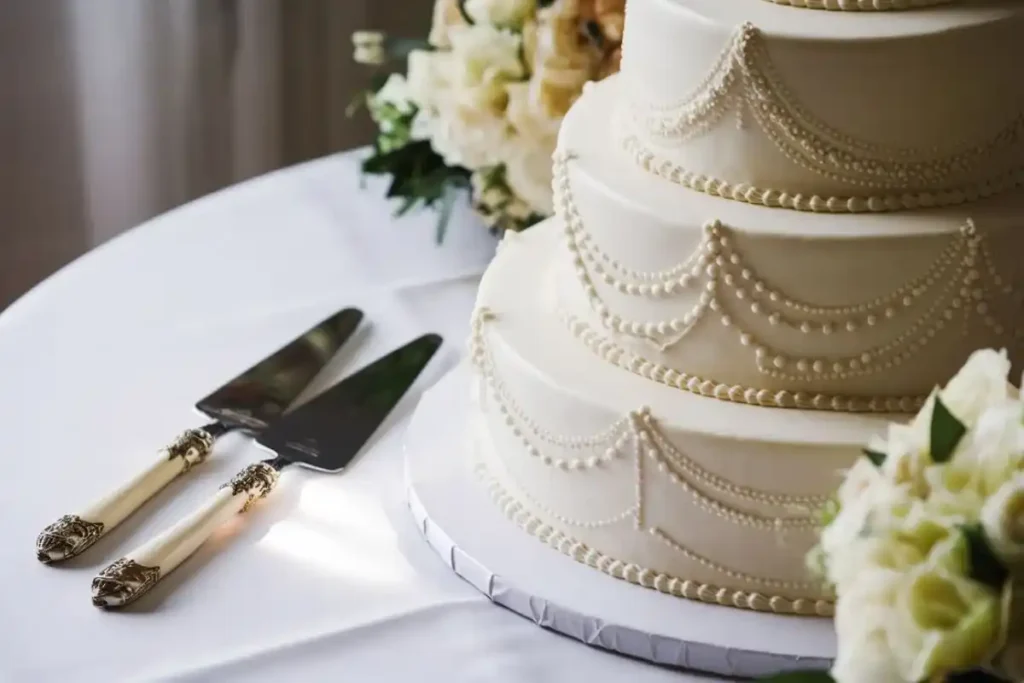
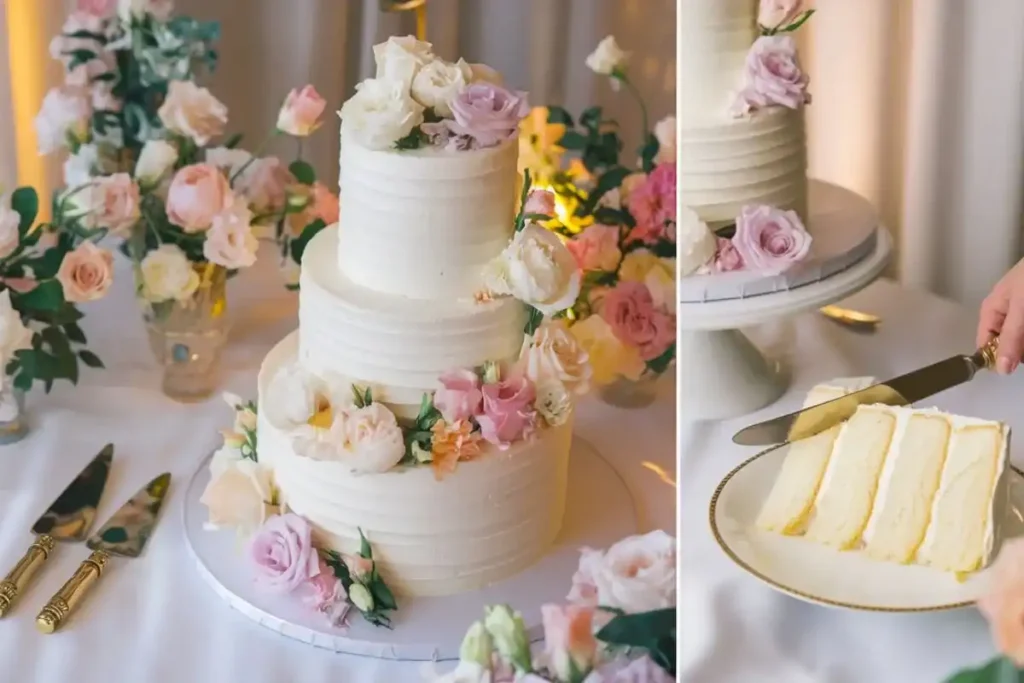
Selecting the proper cake knife set is more important than many realize. A wedding cake knife set often includes both a knife and a matching server, crafted specifically for delicate, multi-layered cakes. These tools are designed to glide smoothly through thick frosting and dense cake layers. In addition, they usually feature elegant designs that complement the event’s theme.
When choosing a set, consider the overall style of your event. For example, a rustic wedding might call for a vintage knife with a wooden handle, while a glamorous celebration may suit a silver-plated or crystal-accented set. Using a beautiful, functional set not only helps with the cutting but also enhances the presentation in photographs.
Practice Makes Perfect
Cutting a cake in front of dozens or even hundreds of guests can be intimidating. Therefore, practicing beforehand is highly recommended. Take a weekend before the big day to practice on a simple homemade or store-bought cake. This practice will help you get a feel for the weight of the knife, the angle of cutting, and the pressure needed.
For example, a couple once shared how their rehearsal helped them discover the knife they chose was too dull. They quickly replaced it, avoiding what could have been a frustrating moment in front of everyone. Practicing also gives you a chance to coordinate with your partner or a helper, ensuring smooth teamwork during the event.
Presentation Matters
Cutting the cake is only part of the task. Serving it beautifully makes a lasting impression. Once you’ve made a slice, clean the knife and server between cuts to prevent crumbs and smudges. Using clean plates and polished servers keeps everything looking fresh.
Small decorative touches can elevate the experience. For instance, adding a few edible flowers or a drizzle of raspberry sauce on the plate can turn an ordinary slice into a stunning dessert. Guests are much more likely to snap photos and share when the presentation is polished and thoughtful.
Communicate with Your Venue or Caterer
Often, the venue or caterer is responsible for helping with the cake after the ceremonial cut. Therefore, it’s crucial to communicate your expectations clearly. Discuss who will be handling the full cake cutting and serving after your initial slices. Confirm if the venue will provide clean plates, forks, and napkins in time.
One bride once recounted how a quick five-minute meeting with her event coordinator saved the day. The venue staff had planned to cut the entire cake before the official photo, but after the conversation, they adjusted the timing to match her wishes. Clear communication helps avoid confusion and disappointment.
Know the Cake Structure
Not all cakes are built the same. Some multi-tiered cakes have dowels or support systems inside to keep the structure stable. Therefore, before the big moment, ask your baker or cake designer about the cake’s construction.
If your cake has internal supports, you’ll need to cut between the dowels and avoid applying too much pressure on the top layers. Knowing these details ahead of time can prevent awkward pauses during the ceremony. In addition, understanding the layout helps you plan where to make your first cut.
Assign a Cake Helper
Even with practice and planning, having a helper nearby makes a big difference. Assign someone you trust to stand by during the cake cutting. This could be a member of the bridal party, an event coordinator, or even a family member.
The helper can pass you the knife and server, hold a plate, or manage small emergencies like a dropped napkin. For instance, at one wedding, the maid of honor was ready with extra napkins when frosting accidentally smeared on the bride’s dress. Small acts of preparation ensure the focus stays on the joy of the moment.
Handle Leftovers Smartly
After the cake is cut and served, there are often leftovers. Plan ahead for how they’ll be packed up and preserved. Therefore, bring cake boxes or storage containers to the venue, or coordinate with the caterer to manage the leftovers.
Many couples choose to preserve the top tier of their wedding cake for their first anniversary. If that’s your plan, inform the caterer so they set aside the top tier carefully. Proper storage ensures the cake stays delicious even months later.
FAQs About Cake Knife
The best knife for cutting a cake is typically a serrated knife or a special cake knife.
– Serrated knife: This is a long knife with a scalloped edge, ideal for slicing through soft cakes without crushing them. The sawing motion allows clean cuts even through delicate layers.
– Cake knife: Usually flat with a straight or slightly pointed edge; it is designed specifically for smooth, neat slices. Some are made with offset handles for better control.
A cake knife is used to cut cakes cleanly and serve them neatly. Its design allows you to:
– Slice through soft, layered, or frosted cakes without squashing the layers.
– Make evenly sized pieces for serving.
– Transfer slices from the cake to plates with minimal mess (some cake knives are also spatula-like for this purpose).
A cake knife can be called:
– Cake knife (most common)
– Pastry knife
– Sometimes serrated cake knife if it has a saw-tooth edge
– In some sets, it comes paired with a cake server or pie server.
Bakeries achieve neat cake slices using a few professional techniques:
– Long serrated or cake knives: They use long knives to cut the entire cake in one smooth stroke.
– Hot knives: Some bakeries heat their knives slightly (dipped in hot water) to allow the blade to glide through frosting and layers cleanly.
– Slicing guides or templates: They use pre-marked guides to ensure each slice is even.
– Gentle sawing motion: They rarely press down; instead, they use a careful back-and-forth motion to avoid squishing the cake.
– Cleaning the knife between cuts: Wiping the blade ensures frosting doesn’t smear on the next slice.
Slice It Right: Master Cake Cutting Like a Pro
Cutting a cake beautifully is not just a skill—it’s part of the experience. By avoiding common mistakes, choosing the right cake knife, mastering cutting techniques, and using the right tools, you can ensure that every slice looks and tastes amazing. Whether it’s a small family gathering or a grand wedding celebration, the simple act of slicing a cake can create lasting memories when done right. So next time you hold a cake knife, remember: a little knowledge goes a long way toward perfection.
Disclaimer:
This article contains Amazon affiliate links. If you click on a link and make a purchase, we may earn a small commission at no extra cost to you. Your support helps keep this site running and allows us to continue sharing amazing recipes and tips. Thank you for your support!