Dominican Breakfast Salami Recipe
If you’ve ever wanted to bring a bit of the Caribbean to your breakfast table, then this Dominican Breakfast Salami recipe is a fantastic start. Known for its bold flavors and satisfying richness, this dish is a staple in Dominican households. It’s typically part of a larger breakfast ensemble known as “Los Tres Golpes” (“The Three Hits”) — which includes mangu (mashed plantains), fried cheese, and eggs. Today, we’ll guide you through an easy-to-follow recipe and offer tips for making it authentic, along with popular variations.

What is Dominican Salami?
Dominican salami, also known as salami dominicano, is a unique type of smoked sausage popular in the Dominican Republic. Unlike European-style salamis, Dominican salami is typically made with a mix of pork and beef, sometimes with added seasonings like garlic and oregano. It has a distinct smoky and savory flavor and a firmer texture than American or Italian salami.
Dominican salami is often part of traditional Dominican breakfasts, like los tres golpes (the “three hits”), where it’s served with fried cheese, eggs, and mashed plantains, known as mangú. Its dense texture and bold flavor make it versatile for frying, grilling, or adding to stews and rice dishes.
How to Make Dominican Breakfast Salami Recipe
Equipment Needed
Preparing Dominican Breakfast Salami doesn’t require special equipment, but here are some essentials:
- Frying pan: A non-stick or cast-iron pan for frying the salami and cheese.
- Knife and cutting board: For slicing the salami and any other accompaniments.
- Potato masher: Useful if you want to make traditional mangu to accompany the salami.
- Tongs or spatula: For flipping the salami and cheese while frying.
Dominican Breakfast Salami Ingredients
To prepare this beloved Dominican breakfast, gather the following ingredients:
- Dominican-style salami: 1 pack, sliced (look for brands like Induveca or Campesino if possible)
- Queso de freír (frying cheese): 1 cup, cubed or sliced
- Plantains: 2-3, peeled and chopped
- Eggs: 2, cooked to your liking
- Oil: For frying
- Salt and pepper: To taste
Directions
1: Prepare the Plantains
- Peel and chop the plantains into medium chunks. Fill a pot with water, add a pinch of salt, and bring it to a boil before placing the plantains in to cook. Cook until they’re soft.
- Drain the plantains and mash them with a potato masher, adding a bit of butter or oil and a pinch of salt.
2: Fry the Salami and Cheese
- Heat oil in a large frying pan over medium heat.
- Add the salami slices and fry for 2-3 minutes on each side or until they’re crispy and golden.
- Remove the salami and let it drain on paper towels to absorb excess oil.
- In the same pan, add the queso de freír. Fry until the cheese is golden brown and crispy.
3: Cook the Eggs
- Scramble, fry, or poach your eggs as desired.
- Season with a pinch of salt and pepper.
4: Plate and Serve
- On a large plate, arrange your mangu, fried salami, cheese, and eggs. Optionally, serve with sautéed onions on top of the mangu for an extra burst of flavor.
Dominican Breakfast Salami Nutritional Benefits
A serving of Dominican breakfast salami offers a robust nutritional profile that can be satisfying and energizing, especially when paired with traditional sides. Here’s a detailed look at its key nutritional components per serving (values may vary based on brand, portion size, and preparation method):
- Calories: Approximately 400-500 kcal, providing a dense source of energy, which is ideal for starting the day.
- Protein: About 15-20 grams. This protein content supports muscle maintenance, repair, and overall metabolic functions.
- Carbohydrates: Roughly 35-40 grams, particularly if combined with carbohydrate-rich sides like plantains or yuca. Carbs supply readily available energy, essential for morning activities.
- Fats: Around 25-30 grams, with fats enhancing satiety and providing essential fatty acids, though it’s best to balance these fats within a well-rounded diet.
Note: Values can shift slightly depending on the brand and method of cooking. For instance, frying the salami can increase the fat content, while grilling may reduce it slightly.
Incorporating Dominican breakfast salami occasionally can add variety to the diet while bringing unique flavors to your meals.
Dominican Breakfast Salami Tips and Variations
1. Customize Your Flavor with Different Salami Brands and Seasonings
To create a unique Dominican breakfast experience, explore various brands of Dominican salami and experiment with seasoning. Each brand offers distinct flavors and textures, so trying a few helps you find one that best suits your taste. For added personalization, sprinkle a blend of spices, like smoked paprika or a hint of cayenne, to boost the salami’s smoky, savory profile.
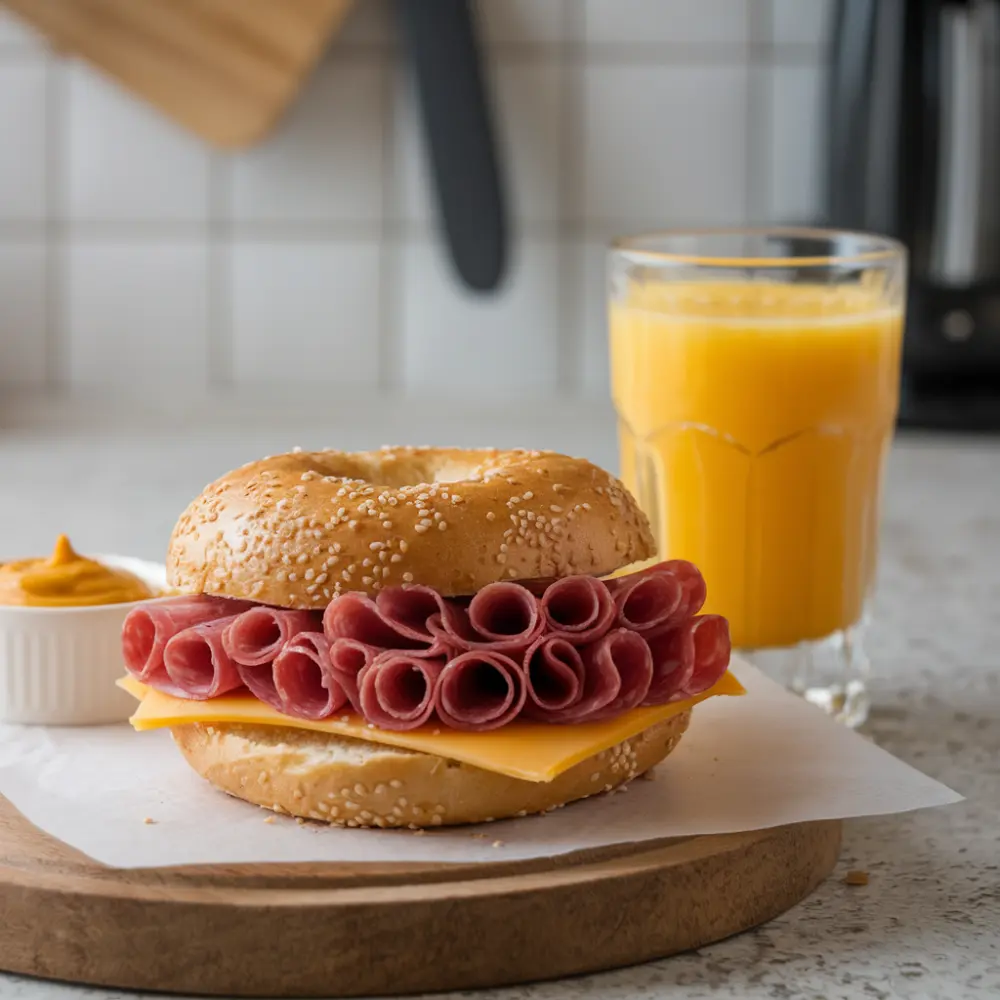
2. Dominican Salami Breakfast Sandwich
For a hearty, flavorful breakfast on the go, make a sandwich with fried Dominican salami, a slice of cheese, and a soft-cooked egg, all on a fresh roll or baguette. Consider adding creamy avocado slices or a spicy mayo spread for an extra layer of richness and spice that complements the salami’s flavors.
3. Fried Dominican Salami and Cheese Appetizer
For a simple yet flavorful appetizer, serve fried Dominican salami with chunks of golden, fried cheese. Pair this with tangy dipping sauces, like a mild garlic aioli or a zesty cilantro-lime dip, and add fresh vegetables for color and crunch. This easy combination makes a unique starter or snack with the rich flavors of Dominican cuisine.
4. Mangu Tres Golpes: The Complete Dominican Breakfast
To experience a classic Dominican breakfast, try the “Tres Golpes” or “Three Hits.” Prepare mashed plantains (Mangu) and serve it alongside slices of fried Dominican salami, fried cheese, and sunny-side-up eggs. This complete breakfast, bursting with flavors and textures, captures the essence of a traditional Dominican morning meal and is perfect for sharing with family.

Essential Equipment for Dominican Breakfast Salami Recipe
1. Sharp Chef’s Knife
For slicing Dominican salami evenly into rounds.
Victorinox Fibrox Pro Chef’s Knife, 8-Inch – Razor-sharp, NSF-certified, and long-lasting.
- Pros: Excellent control for slicing thick salami
- Cons: Needs sharpening occasionally
- Perfect For: Clean, even slices of salami for uniform frying
2. Cutting Board
A clean surface to slice salami and prep sides like onions or cheese.
Greener Chef Bamboo Cutting Board – Knife-friendly and eco-conscious.
- Pros: Durable, with deep juice grooves
- Cons: Not dishwasher-safe
- Perfect For: Slicing salami, frying cheese, or prepping mangú ingredients
3. Non-Stick Skillet or Cast Iron Pan
You’ll need a good pan to fry the salami until golden and crispy.
Lodge 10.25-Inch Cast Iron Skillet – Excellent heat retention, perfect for traditional frying.
- Pros: Delivers crispy edges with authentic taste
- Cons: Requires seasoning if not enameled
- Perfect For: Searing salami, frying queso frito, and onions
4. Tongs or Fish Spatula
Helps flip salami slices without splattering oil.
OXO Good Grips 9-Inch Locking Tongs – Soft grip and heat resistant.
- Pros: Safe for non-stick surfaces
- Cons: Shorter than some prefer
- Perfect For: Flipping salami slices with ease
5. Paper Towels + Cooling Rack
To drain excess oil for that perfect crispy finish.
Checkered Chef Cooling Rack + Baking Sheet Set – Oven-safe and multipurpose.
- Pros: No soggy salami, excellent airflow
- Cons: Takes up counter space
- Perfect For: Letting fried salami and cheese drain evenly
6. Medium Saucepan (if preparing Mangú)
For boiling plantains to complete the dish.
Cuisinart 2-Quart Saucepan with Lid – Stainless steel, even heat distribution.
- Pros: Durable and fast-heating
- Cons: Handle can get hot
- Perfect For: Boiling green plantains for traditional Mangú
7. Potato Masher (for Mangú)
To mash plantains smoothly with butter, oil, or water.
OXO Good Grips Stainless Steel Potato Masher – Ergonomic and easy to clean.
- Pros: Works with yuca and plantains
- Cons: Not ideal for small pots
- Perfect For: Creamy, lump-free Mangú
8. Mixing Bowl (for tossing onions with vinegar or lime)
Pickled red onions are a key topping in many Dominican breakfasts.
FineDine Stainless Steel Mixing Bowls Set – Lightweight and stackable.
- Pros: Won’t absorb odors or stains
- Cons: Not microwave-safe
- Perfect For: Prepping ensalada de cebolla or vinegar-onion mix
9. Splatter Screen (Optional but Helpful)
Salami can pop in oil — protect your kitchen and hands.
BergKoch Grease Splatter Screen – 13 Inch – Fine mesh keeps grease in the pan.
- Pros: Dishwasher-safe and rustproof
- Cons: Must match pan size
- Perfect For: Keeping your stovetop clean while frying
Optional Add-On Tools (for full Dominican breakfast experience):
- Frying thermometer – Monitor oil temp
- Plating set – Showcase your salami, queso frito, and Mangú beautifully
- Electric griddle – Fry multiple servings at once
FAQs
Q: Are there other types of cheese I could use?
A: While queso de freír is traditional, halloumi or paneer can be a good substitute as they don’t melt when fried.
Q: Is there a vegetarian version of this breakfast?
A: Absolutely. Substitute the salami with sautéed mushrooms or a plant-based sausage, and you’ll still have a flavorful meal.
Q: Can I prepare this ahead of time?
A: You can fry the salami and cheese in advance and reheat them, but the Mangu is best served fresh.
Conclusion
Dominican Breakfast Salami brings a taste of the Caribbean to your kitchen with its rich flavors and comforting ingredients. With simple steps and a handful of variations, you can enjoy this beloved Dominican dish anytime. So why wait? Try it out, and let every bite transport you to the sunny shores of the Dominican Republic.
Disclaimer: This post may include affiliate links. As an Amazon Associate, CookerDiary earns from qualifying purchases. Nutrition information is estimated and should not replace professional dietary advice.