Iranian Kebab Koobideh Recipe
Iranian kebab koobideh recipe lovers know that nothing compares to the smell of sizzling skewers coming fresh off the grill. I still remember the first time I tasted Kebab Koobideh at a small family gathering—it was smoky, juicy, and unbelievably simple, yet packed with flavor. However, when I tried making it at home, things didn’t go as planned. The kebabs fell apart, and the texture felt off.
That’s exactly why this guide exists. Here, you’ll learn a reliable, authentic method inspired by Persian cuisine, but adapted for home kitchens. In addition, you’ll discover practical tips that actually make a difference, whether you’re grilling outdoors or cooking indoors.
What is Iranian Koobideh?
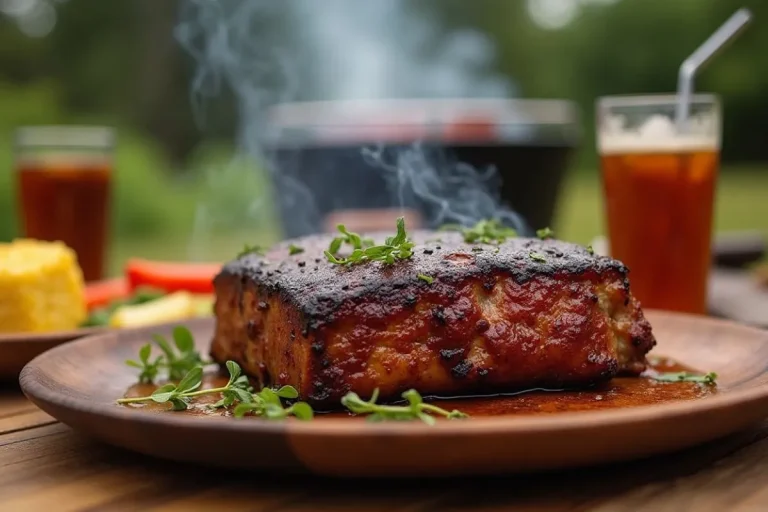
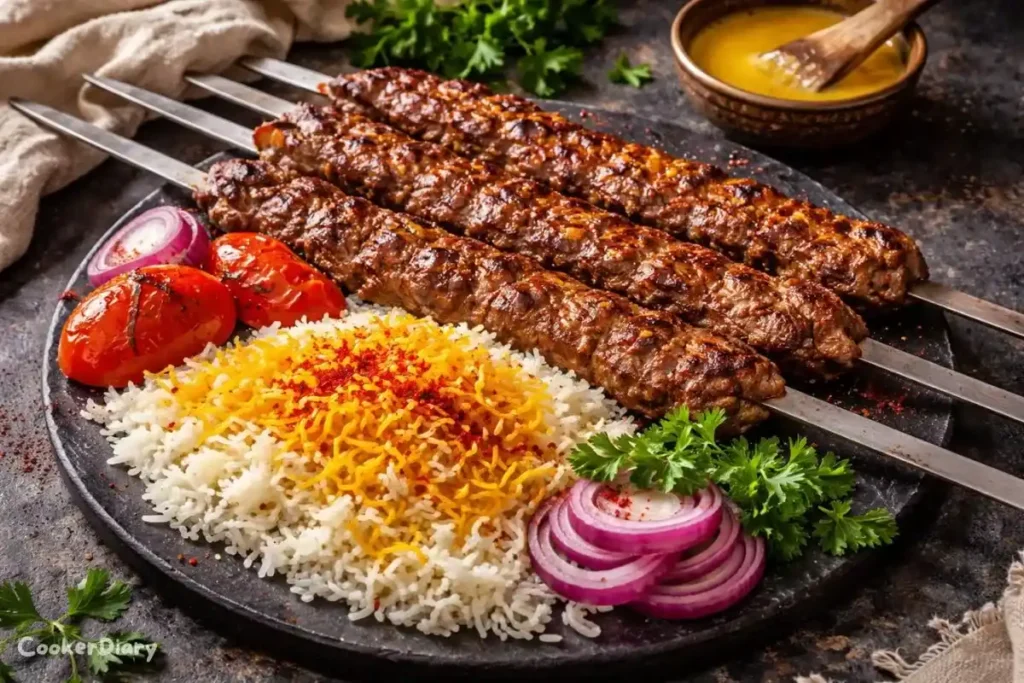
Kebab Koobideh is a traditional dish from Persian cuisine, made from finely ground meat—usually a mix of Ground beef and Ground lamb—combined with grated onion and simple seasonings. The mixture is shaped onto flat skewers and cooked over open flames using Grilling, which gives it a smoky, juicy flavor.
It’s one of the most popular kebabs in Iran, often served with rice, grilled tomatoes, and a sprinkle of sumac. What makes koobideh unique is its soft texture and rich taste, achieved through proper mixing and traditional cooking techniques.
Why This Iranian Kebab Koobideh Recipe Works
- Uses a balanced mix of Ground beef and Ground lamb for rich flavor
- Proper onion handling ensures the mixture binds well
- Simple seasoning highlights authentic taste instead of masking it
- Works on both charcoal and gas grills
- Designed for beginners but delivers restaurant-quality results
Iranian Kebab Koobideh Recipe
Recipe at a Glance
| Prep Time | Cook Time | Total Time | Servings | Cuisine | Difficulty |
|---|---|---|---|---|---|
| 20 mins | 15 mins | 35 mins | 4 | Persian cuisine | Easy |
Equipment: Amazon’s Overall Picks
- Flat metal skewers
- Grill (charcoal preferred for authentic flavor)
- Mixing bowl
- Food processor or grater
- Tongs
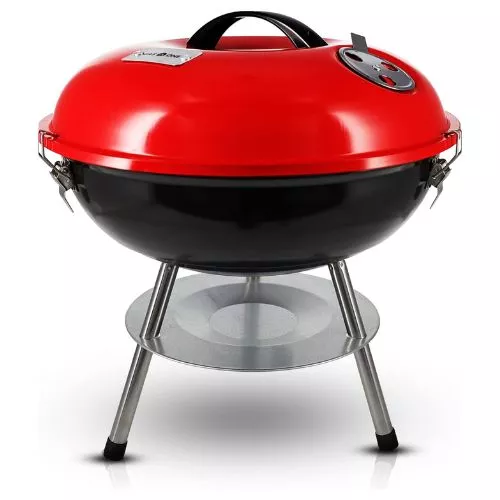
Take your Iranian kebab koobideh recipe to the next level with the Gas One 14-inch Portable Barbecue Grill with 3-Point Locking Lid—compact, powerful, and perfect for achieving that authentic smoky flavor anywhere.
(As an Amazon Associate, I earn from qualifying purchases, at no additional cost to you.)
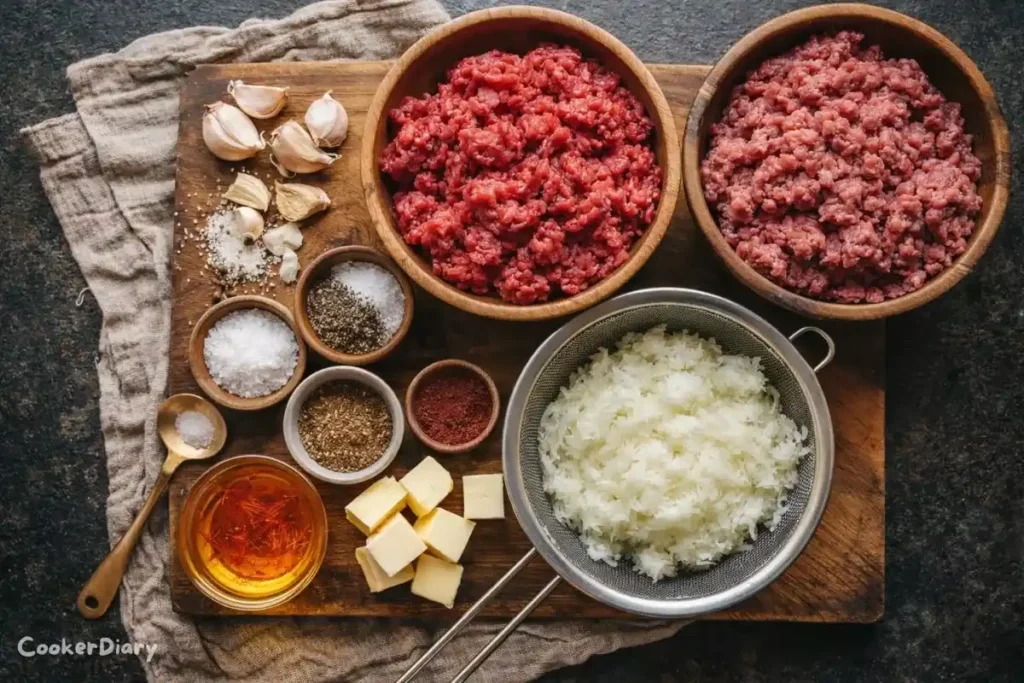
Iranian Kebab Koobideh Ingredients
| Ingredient | Quantity | Purpose |
|---|---|---|
| Ground beef | 500g | Main protein |
| Ground lamb | 200g | Adds richness |
| Onion (grated) | 1 large | Moisture + binding |
| Garlic | 2 cloves | Flavor |
| Salt | 1 tsp | Enhances taste |
| Black pepper | ½ tsp | Mild spice |
| Sumac | 1 tsp | Tangy flavor |
| Saffron (soaked) | 1 tbsp | Aroma |
| Butter | 2 tbsp | Basting |
Ingredient Tips & Substitutes
- Always squeeze excess liquid from Onion
- You can skip lamb if needed, but flavor will be milder
- If saffron is unavailable, use a pinch of turmeric
- For extra juiciness, choose meat with some fat content
Recipe Instructions
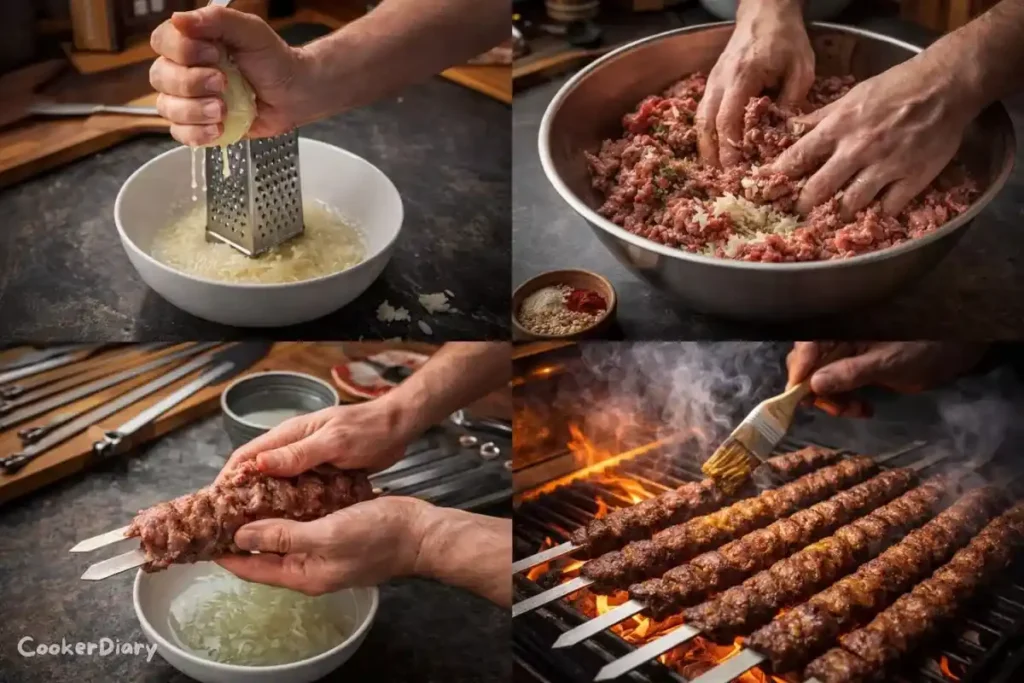
- First, grate the onion and remove as much liquid as possible.
- Next, combine beef, lamb, onion, garlic, salt, and pepper in a bowl.
- Then, knead the mixture for about 5–7 minutes until sticky. This step is crucial for binding.
- After that, refrigerate for 30 minutes to firm up the mixture.
- Shape the meat onto flat skewers using wet hands.
- Meanwhile, preheat your grill using the Grilling method.
- Grill the skewers, turning frequently to avoid burning.
- Finally, baste with butter and saffron while cooking for extra flavor.
Chef’s Tips and Variations
- Keep your hands wet to prevent sticking
- Do not skip the kneading process—it builds structure
- Use wide skewers for better support
- Cook over Charcoal grilling for authentic smoky flavor
- Serve with Basmati rice or flatbread
- Add sumac at the end for brightness
- Try a chicken version for a lighter option
Related recipe: Ghormeh Sabzi Recipe
Nutrition Information
| Nutrient | Per Serving |
|---|---|
| Calories | 320 kcal |
| Protein | 22 g |
| Fat | 24 g |
| Carbohydrates | 3 g |
| Fiber | 0.5 g |
| Sodium | 420 mg |
FAQs About Iranian Kebab Koobideh Recipe
Koobideh comes from the Persian word koobidan (کوبیدن), meaning “to pound” or “to slam”. This name refers to the traditional preparation method where meat was placed on a flat stone and smashed repeatedly with a wooden mallet to achieve the desired texture. Today, the term describes the technique of kneading the meat mixture until it becomes sticky enough to hold onto the skewer.
First, grate onions finely and squeeze out all excess moisture to prevent the kebabs from falling apart. Then, combine ground lamb or beef (with 20-35% fat content) with the onion, salt, and black pepper—traditionally no other spices or binders are used. Knead the mixture thoroughly for several minutes until it becomes sticky and cohesive. Finally, shape the meat onto wide, flat metal skewers, creating small indentations for even cooking, and grill over hot coals, turning frequently until charred and cooked through.
Koobideh is a specific Persian-style grilled kebab made simply with ground meat, grated onion, salt, and pepper—no eggs, breadcrumbs, or complex spices. Kofta is a broader category of minced meat dishes found across the Middle East, South Asia, and the Balkans, often incorporating herbs, spices, and binders like eggs or breadcrumbs. Kofta can also be pan-fried, baked, or cooked in sauce, while koobideh is always grilled on flat skewers.
Bring Authentic Persian Flavor to Your Kitchen
Making this iranian kebab koobideh recipe at home may seem intimidating at first. However, once you understand the technique, it becomes surprisingly simple. In fact, with just a few ingredients and the right method, you can recreate a dish that reflects the heart of Middle Eastern cuisine.
Therefore, whether you’re cooking for family or hosting a barbecue, this recipe delivers both flavor and experience. Try it once, and it might just become your go-to grilled dish.
This post may contain affiliate links. As an Amazon Associate, Cookerdiary earns from qualifying purchases at no extra cost to you. Nutritional values are estimates and may vary depending on ingredients used and portion sizes.