Mirror Glaze Cake Recipe
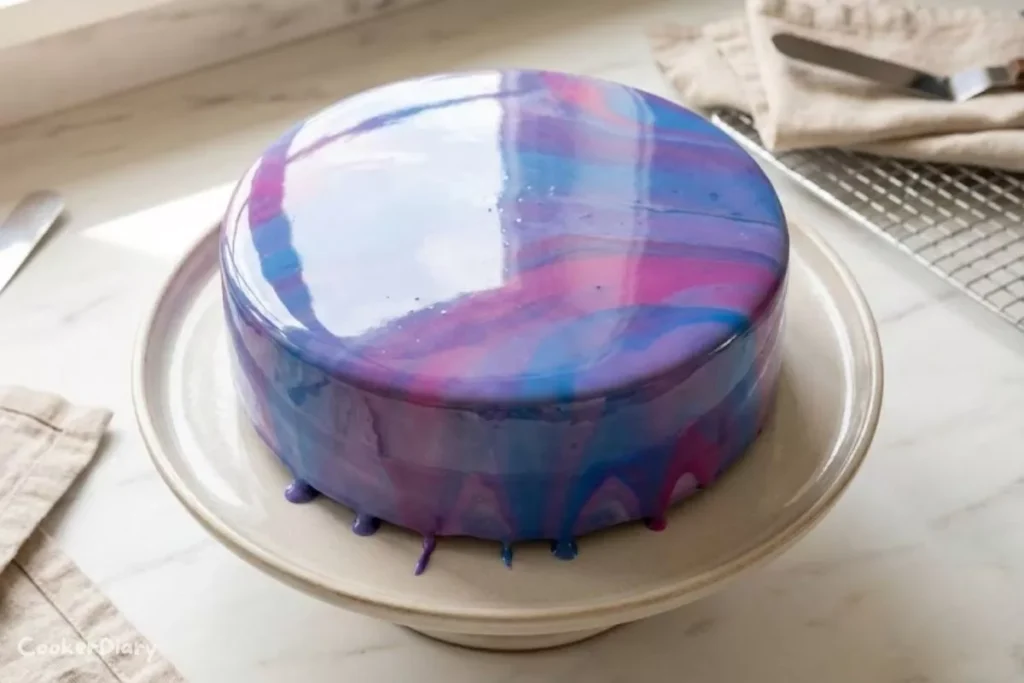
Mirror glaze cake is one of those desserts that instantly stops people in their tracks. The first time I saw one, I honestly thought it came straight from a high-end pastry shop. The glossy finish, the smooth reflection, and the flawless surface looked almost unreal. However, once I learned how it actually works, I realized that making a mirror glaze cake at home is far more achievable than it seems.
Why This Mirror Glaze Cake Works
This mirror glaze cake recipe is designed to be both reliable and beginner-friendly. Unlike complicated pastry recipes, this method focuses on balance, temperature control, and simple ingredients.
Here’s why this recipe works so well:
- It uses precise temperature control, which is the key to a shiny finish
- The glaze has the right ratio of gelatin, sugar, and chocolate for smooth flow
- The cake is frozen before glazing, ensuring clean coverage
- The steps are easy to follow and forgiving
- The ingredients are accessible and easy to find
- The technique works for mousse cakes, sponge cakes, or entremets
In addition, the recipe allows flexibility. You can change colors, flavors, or finishes without affecting the final result. That’s what makes this mirror glaze cake perfect for home bakers who want professional results without stress.
Mirror Glaze Cake Recipe
Recipe at a Glance
| Prep Time | Cook Time | Total Time | Servings | Cuisine | Difficulty |
|---|---|---|---|---|---|
| 30 minutes | 20 minutes | 4–5 hours | 8 slices | French-inspired | Intermediate |
Equipment – Amazon’s Overall Picks
- Digital kitchen thermometer
- Immersion blender
- Silicone spatula
- Fine mesh strainer
- Cake turntable
- Silicone mold or cake ring
- Offset spatula
As an Amazon Associate, I earn from qualifying purchases, at no additional cost to you.
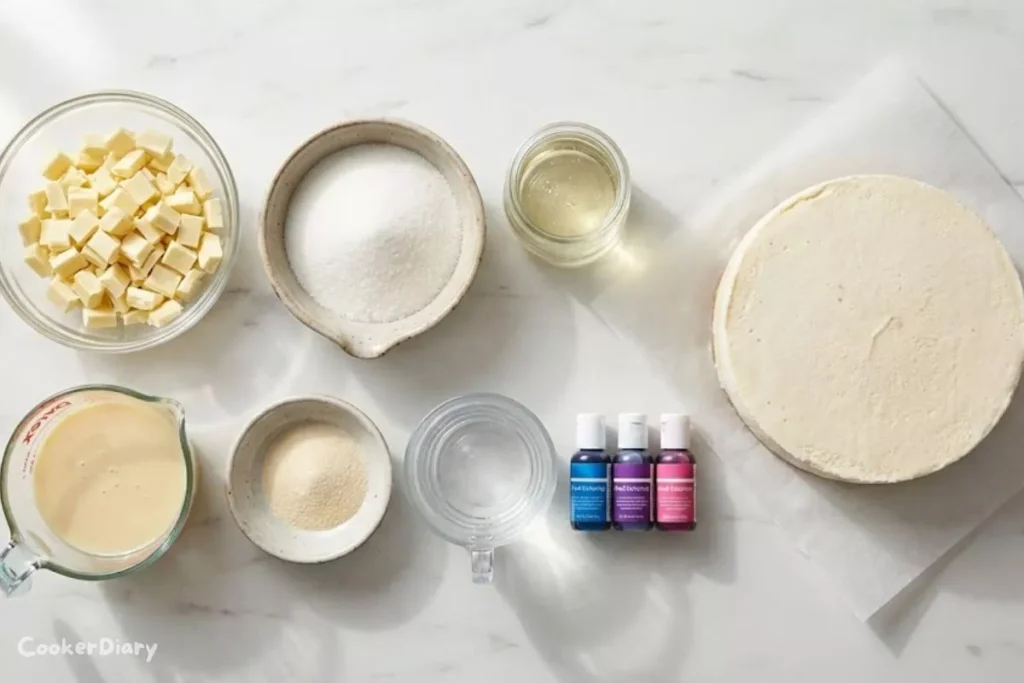
Mirror Glaze Cake Ingredients
| Ingredient | Amount |
|---|---|
| White chocolate | 200 g |
| Sweetened condensed milk | 120 ml |
| Granulated sugar | 150 g |
| Glucose syrup | 150 g |
| Water | 75 ml |
| Gelatin powder | 10 g |
| Cold water (for blooming) | 50 ml |
| Food coloring | As needed |
| Frozen mousse cake | 1 (6–8 inch) |
Ingredient Tips and Substitutions
- Use high-quality white chocolate for best shine
- Gel food coloring works better than liquid coloring
- Corn syrup can replace glucose syrup if needed
- Gelatin sheets can be used instead of powder
- The cake must be fully frozen before glazing
These small details make a big difference in the final appearance.
Mirror Glaze Cake Instructions
- Bloom the gelatin in cold water for about 5–10 minutes.
- In a saucepan, heat sugar, glucose syrup, and water until fully dissolved.
- Pour the hot mixture over chopped white chocolate.
- Add condensed milk and bloomed gelatin.
- Blend gently with an immersion blender, keeping the blade submerged to avoid air bubbles.
- Strain the glaze through a fine sieve.
- Allow the glaze to cool to 32–35°C (90–95°F).
- Place the frozen cake on a rack over a tray.
- Pour the glaze evenly in one smooth motion.
- Let excess glaze drip off, then transfer the cake carefully.
- Chill for at least 30 minutes before serving.
At this stage, the cake should look glossy, smooth, and professionally finished.

Chef’s Tips and Variations
- Always glaze a frozen cake, never a chilled one
- Use a thermometer for accuracy—guessing leads to failure
- Tap the bowl gently to release air bubbles
- For a marble effect, swirl two colors gently
- Add gold leaf or cocoa butter spray for a luxury finish
- Chocolate mirror glaze works beautifully for rich desserts
If your glaze looks dull, it usually means the temperature was off. Fortunately, reheating gently and re-blending often fixes the issue.

Discover these cake recipes:
- Easy King Cake Recipe
- Old-Fashioned Apple Bundt Cake Recipe
- Classic Pumpkin Bundt Cake Recipe
- Easy Chocolate Bundt Cake Recipe
- Easy Chocolate Peppermint Bundt Cake Recipe
- Sagittarius Cake Recipe
Nutrition Information
| Nutrient | Per Slice |
|---|---|
| Calories | 420 kcal |
| Carbohydrates | 45 g |
| Protein | 6 g |
| Fat | 24 g |
| Saturated Fat | 14 g |
| Sugar | 38 g |
| Sodium | 85 mg |
Values are estimates and may vary based on ingredients used.
FAQs About Mirror Glaze Cake
A very cold, dense cake with a perfectly smooth base is best. Cheesecake, mousse cake, or firm entremets are ideal because they support the glaze and are served chilled. The cake must be frozen solid before glazing so the coating sets thinly and evenly.
Mirror glaze tastes mildly sweet and milky, similar to white chocolate or sweetened condensed milk. Its flavor is subtle because it is a very thin layer; the primary purpose is visual. The dominant taste will always come from the cake or mousse beneath the glossy coating.
A regular glaze (like icing) is often opaque and used for flavor or texture. Mirror glaze is specifically designed for a high-gloss, mirror-like finish and uses gelatin to set firmly. Its primary function is dramatic visual appeal with intricate colors, while standard glazes focus more on taste and simple coating.
Final Thoughts: Creating a Show-Stopping Mirror Glaze Cake
Making a mirror glaze cake at home might seem intimidating at first, but once you understand the process, it becomes surprisingly enjoyable. The key is patience, precision, and confidence. With the right temperature and technique, you can achieve a glossy, professional finish that rivals any bakery dessert.
Whether you’re preparing a cake for a celebration or simply want to challenge your baking skills, this mirror glaze cake recipe is a rewarding place to start. Once you master it, you’ll find yourself experimenting with colors, flavors, and designs with ease.
Disclaimer:
This article contains affiliate links. As an Amazon Associate, I earn from qualifying purchases at no additional cost to you. Nutritional values are estimates and may vary depending on ingredients and portion sizes.