Sfenj: Moroccan Donuts Recipe

Sfenj is more than just a donut—it’s a cherished part of Moroccan culture, enjoyed fresh from street vendors, dipped in sugar, and paired with mint tea. If you’ve ever wandered through a Moroccan market, you’ve likely smelled its irresistible aroma long before you saw it. However, the good news is that you don’t need to travel to Morocco to enjoy it.
This Sfenj recipe brings the authentic flavor of Moroccan donuts straight to your kitchen. Unlike traditional donuts, sfenj is lighter, airier, and less sweet, making it perfect for breakfast or an afternoon treat. In addition, it requires simple ingredients and minimal equipment, which makes it ideal for home cooks of all levels.
Why This Sfenj Recipe Works
This recipe stays true to Moroccan tradition while remaining easy to follow. More importantly, it delivers consistent results.
- Uses traditional yeast fermentation for authentic texture
- Requires simple pantry ingredients
- Produces light, airy donuts with crisp edges
- No eggs or dairy, making it naturally vegan
- Perfect for beginners and experienced cooks alike
- Adaptable for sweet or savory toppings
Sfenj Donuts Recipe
Recipe at a Glance
| Prep Time | Cook Time | Total Time | Servings | Cuisine | Difficulty |
|---|---|---|---|---|---|
| 15 minutes | 20 minutes | 1 hour 30 minutes | 10–12 donuts | Moroccan | Easy |
Equipment – Amazon’s Overall Picks
- Large mixing bowl
- Wooden spoon
- Deep frying pan
- Slotted spoon
- Cooking thermometer
- Paper towels
- Cooling rack

Take your home cooking to the next level with the YOSUKATA 13.5″ Carbon Steel Wok, designed for serious flavor and professional results. Pre-seasoned and ready to use, this flat-bottom wok delivers fast, even heat—perfect for stir-frying, deep-frying, sautéing, and even outdoor cooking.
As an Amazon Associate, I earn from qualifying purchases, at no additional cost to you.
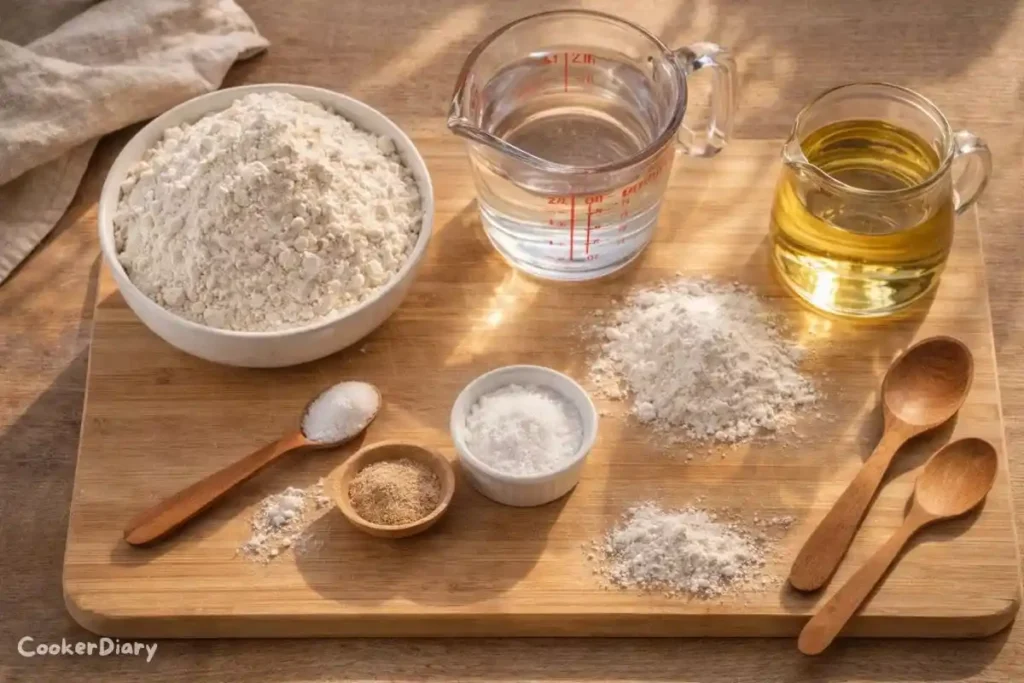
Sfenj Ingredients
| Ingredient | Quantity |
|---|---|
| All-purpose flour | 3 ½ cups |
| Warm water | 1 ½ cups |
| Active dry yeast | 2 ¼ teaspoons |
| Sugar | 1 teaspoon |
| Salt | 1 teaspoon |
| Vegetable oil (for frying) | 3–4 cups |
| Extra flour (for shaping) | As needed |
Ingredient Tips and Substitutions
- Bread flour can be used for a chewier texture.
- Lukewarm water helps activate yeast properly.
- Sugar can be replaced with honey for a subtle flavor boost.
- Neutral oils like sunflower or canola oil work best for frying.
Recipe Instructions
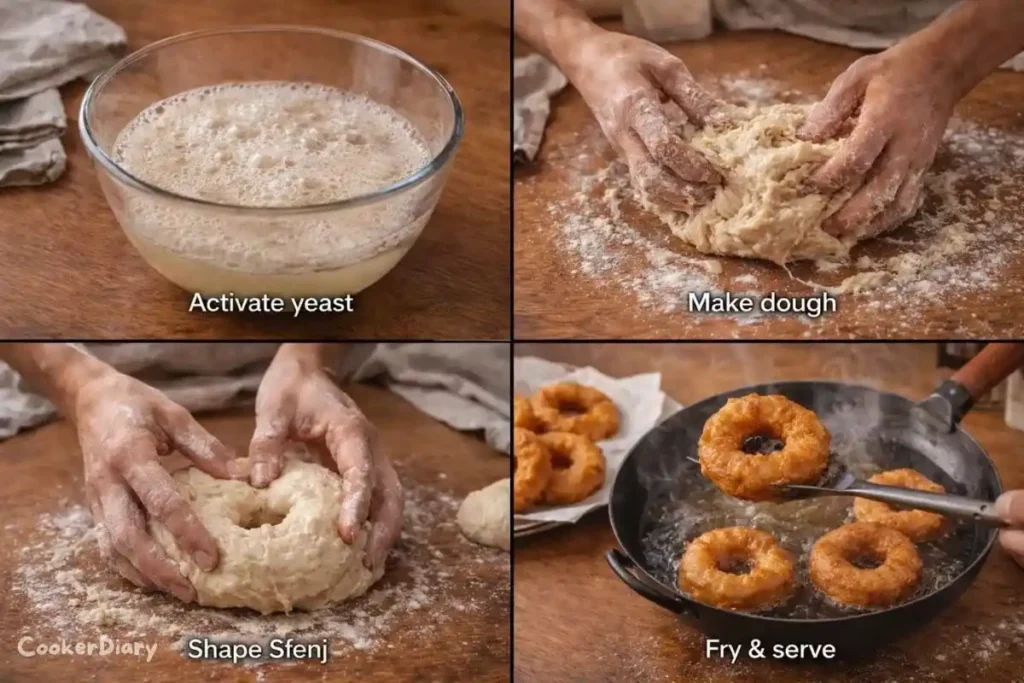
- Activate the yeast
In a large bowl, combine warm water, sugar, and yeast. Let it rest for about 10 minutes until foamy. This step ensures the yeast is active. - Make the dough
Gradually add flour and salt. Mix until a sticky, elastic dough forms. The texture should be soft and slightly wet. - First rise
Cover the bowl and let the dough rise in a warm place for about 1 to 1½ hours, or until doubled in size. - Shape the sfenj
Lightly oil your hands. Take a portion of dough, form a ball, and gently stretch a hole in the center to create a ring shape. - Fry the donuts
Heat oil to 350°F (175°C). Carefully place the dough into the oil and fry until golden on both sides, turning occasionally. - Drain and serve
Remove from oil, drain on paper towels, and serve warm. Sfenj is best enjoyed fresh.
Chef’s Tips and Variations
- Keep the oil temperature steady to avoid greasy donuts.
- Wet your hands before shaping to prevent sticking.
- Add orange blossom water for an authentic Moroccan aroma.
- Roll in sugar or drizzle with honey for extra sweetness.
- Serve with mint tea or coffee for a traditional experience.
For a savory twist, you can also pair sfenj with cheese or olives.

Discover these recipes too:
- Sesame Seed Bagel Recipe
- New York-Style Bagel Recipe
- Venezuelan Tequeños Recipe
- Cachapas Recipe
- Blue Corn Pancakes Recipe
Nutrition Information
| Nutrient | Amount (Per Serving) |
|---|---|
| Calories | 210 kcal |
| Carbohydrates | 28 g |
| Protein | 4 g |
| Fat | 9 g |
| Saturated Fat | 1.5 g |
| Fiber | 1 g |
| Sugar | 2 g |
| Sodium | 190 mg |
Values are approximate and may vary depending on ingredients used.
FAQs About Sfenj
Moroccan sfenj is a popular, traditional Maghrebi doughnut. It is a deep-fried, ring-shaped bread known for its spongy, airy texture with a crispy exterior. Typically enjoyed plain, dusted with sugar, or dipped in honey, it is a common street food and breakfast item, especially during winter and Ramadan.
Sfenj is made from a simple, unleavened dough. The primary ingredients are flour, water, yeast, and salt. Sometimes a small amount of sugar is added. The key technique involves proofing the dough well before shaping it into rings by hand and immediately deep-frying in oil until golden and puffed.
Yes, sfenj is eaten across the Maghreb region under similar names. It is very popular in Algeria and Tunisia. Furthermore, similar fried dough treats exist globally, such as the Spanish “buñuelos” or Italian “zeppole,” but the specific method and name “sfenj” remain distinctly North African.
A Taste of Morocco in Every Bite
Sfenj is more than a recipe—it’s a taste of Moroccan tradition. Its crispy outside and airy inside make it one of the most comforting treats you can prepare at home. Whether you enjoy it for breakfast, dessert, or with tea, this Moroccan donut brings warmth, culture, and flavor to every bite.
Once you try homemade sfenj, it’s hard to go back to store-bought donuts.
This article contains Amazon affiliate links. As an Amazon Associate, Cookerdiary earns from qualifying purchases at no extra cost to you. Nutritional values are estimates and may vary depending on ingredients and preparation methods.