Tea Eggs Recipe: Traditional Chinese Street Food at Home
Imagine peeling a hard-boiled egg to reveal a marbled masterpiece underneath, infused with the rich aromas of tea, soy sauce, and warming spices. That’s the magic of tea eggs recipe, a beloved street food snack that has delighted taste buds across China for centuries. Tea eggs are not only visually stunning but also packed with umami and savory flavors. Whether you’ve tasted them before or are completely new to the concept, this recipe will guide you through making authentic tea eggs recipe right in your kitchen. Let’s dive in!
Related: Easy Jammy Eggs Recipe for Beginners
What is Tea Eggs Recipe?
Origin and Cultural Significance
Tea eggs, or “cha ye dan” (茶葉蛋), are a popular Chinese snack that dates back to the Qing Dynasty. Sold at street stalls, tea eggs have become a staple in Chinese cuisine, loved for their affordability, portability, and flavor. Today, they’re enjoyed at home, in convenience stores, and even at festive celebrations.
What Makes Them Unique?
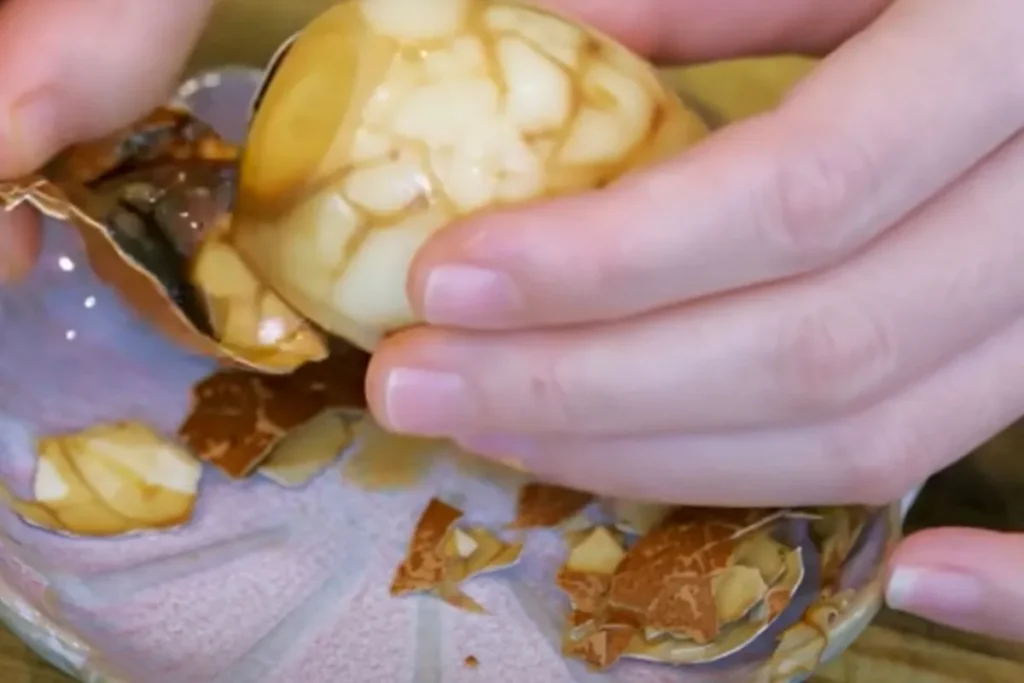
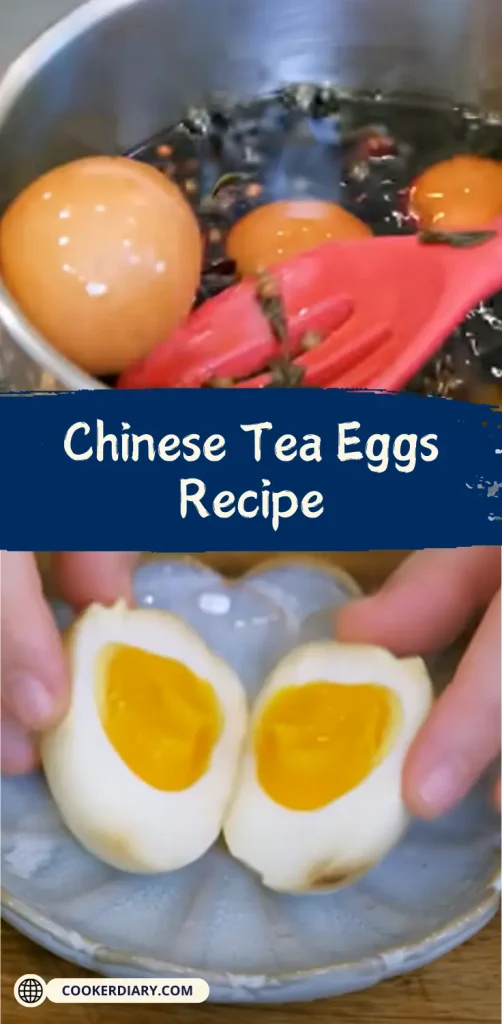
The defining feature of tea eggs is their marbled appearance, created by cracking the eggshells before marinating them in a spiced tea mixture. Each egg is a little work of art, with patterns as unique as snowflakes. Beyond their looks, their taste—a harmonious blend of savory, earthy, and slightly spiced—sets them apart from plain boiled eggs.
Tea Eggs Around the World
While tea eggs originated in China, variations have popped up across Asia. In Taiwan, they’re often simmered longer for a richer flavor. In Malaysia, additional spices like lemongrass or galangal may be included.
Why Make Tea Eggs at Home?
Making tea eggs at home allows you to customize the flavors to suit your palate. Plus, they’re budget-friendly and incredibly simple to prepare. Perfect for snacking, picnics, or as a side dish, these eggs are as versatile as they are delicious.
Related: Easy Egg Loaf Vegan Recipe – A Perfect Breakfast!
Easy Tea Eggs Recipe
Related: Easy Christmas Quiche Recipe
Ingredients Needed to Make Tea Eggs
Core Ingredients:
- 6 large eggs: Fresh and at room temperature for even cooking.
- 3 cups water: For the marinade.
- 2 tablespoons soy sauce: Adds umami depth.
- 2 tablespoons black tea leaves: For the signature tea flavor.
- 1 teaspoon five-spice powder: A blend of star anise, cloves, cinnamon, fennel seeds, and Sichuan pepper.
Optional Flavor Enhancers:
- 1 cinnamon stick: Adds a warming aroma.
- 1 strip orange peel: For a citrusy twist.
- 2 slices fresh ginger: Enhances the overall flavor.
- 1 teaspoon sugar: Balances the savory flavors.
Choosing the Right Tea:
Black tea is traditional, offering bold flavor and a rich color. However, green tea creates a lighter taste, while Pu-erh tea adds a deep, earthy note. Experiment to find your favorite.
Where to Source Ingredients:
Asian grocery stores are your best bet for authentic ingredients like five-spice powder and high-quality soy sauce. Many items are also available online.
How to Make Authentic Tea Eggs at Home
1: Prepare the Hard-Boiled Eggs
- Place eggs in a saucepan and cover with water.
- Bring the mixture to a boil. Then, lower the heat and let it gently simmer for 8 minutes.
- Place the eggs in a bowl of ice water and let them cool fully.
- Once cooled, gently crack the shells with the back of a spoon, leaving the shells intact.
2: Make the Tea Mixture
- Combine water, soy sauce, tea leaves, five-spice powder, and optional ingredients in a pot.
- Bring the tea mixture to a boil, then simmer for 10 minutes to allow the flavors to meld.
3: Simmer and Marinate
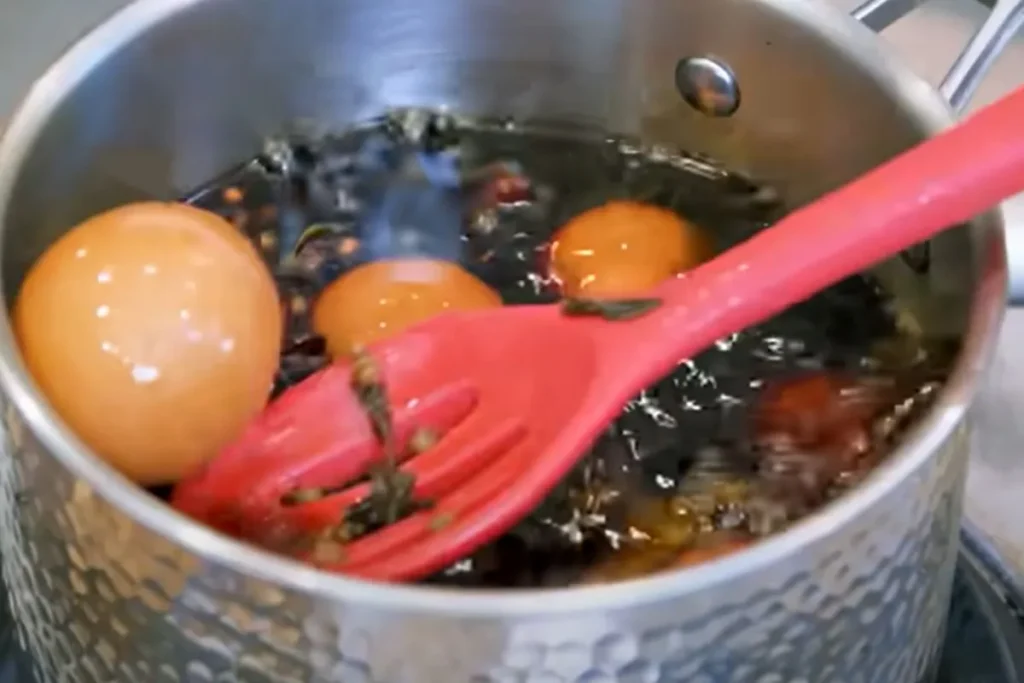
- Add the cracked eggs to the tea mixture.
- Simmer on low heat for 30 minutes, ensuring eggs are fully submerged.
- Turn off the heat and let the eggs steep in the marinade for at least 4 hours, or overnight for stronger flavors.
4: Serve and Enjoy
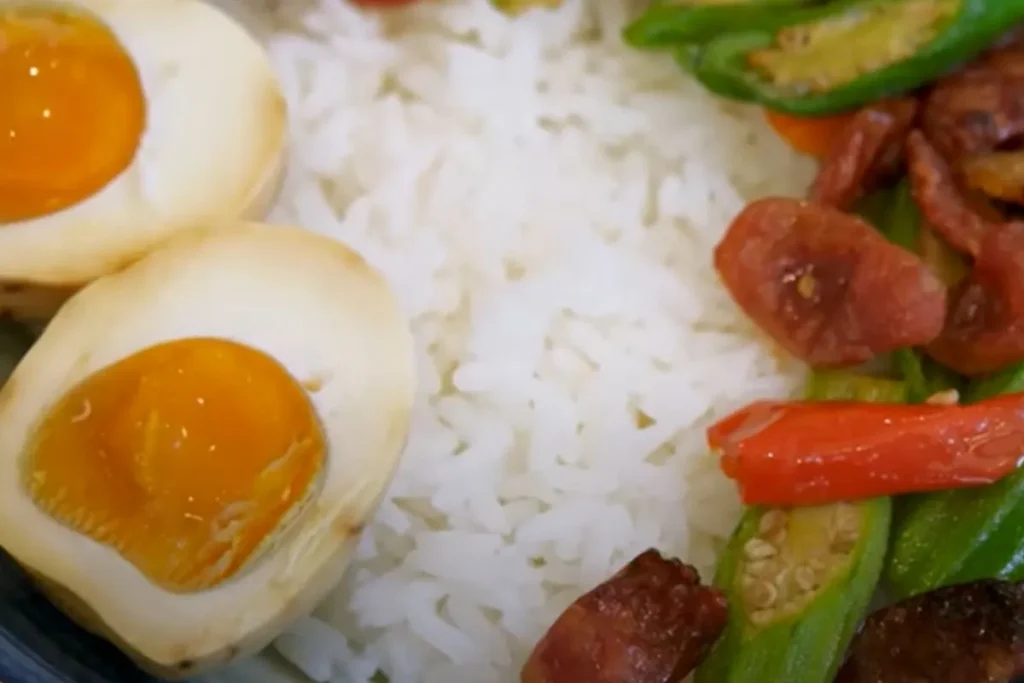
Peel the shells to reveal the marbled patterns. Serve warm or cold as a snack, side dish, or addition to rice or noodle bowls.
Tips and Variations for the Perfect Tea Eggs
Creating tea eggs is an art that allows room for personalization. Below are detailed tips and creative variations to elevate your tea eggs to perfection.
How to Achieve the Marbled Effect
Gently tap the eggshells with the back of a spoon to crack the surface. This creates the iconic marbled pattern. Be careful not to crack too deeply, as it may cause the shell to break apart completely. Rotate the egg while tapping to create an even web of cracks for the best visual effect.
Flavor Adjustments
Customizing the marinade is easy and lets you tailor the flavors to your liking:
- For a Spicy Kick: Add dried chili peppers, Sichuan peppercorns, or even a pinch of cayenne pepper to the mixture. These ingredients enhance the flavor profile without overwhelming the dish.
- For a Sweeter Taste: Increase the sugar slightly or substitute it with honey for a natural sweetness. This variation pairs especially well with lighter teas like jasmine.
- Herbaceous Notes: Add star anise, cinnamon sticks, or bay leaves for a more aromatic result. Adjust quantities to match your preference.
Storing Tea Eggs
Tea eggs improve in flavor the longer they steep. After simmering, allow the eggs to cool in the marinade before refrigerating. They can be stored in the liquid for up to a week, becoming more flavorful each day. Always keep them in an airtight container to prevent the marinade from overpowering other foods in your fridge.
Creative Twists
You can add your own flair to traditional tea eggs by experimenting with different ingredients:
- Herbal Teas: Replace black tea with jasmine, oolong, or even chamomile. These teas introduce unique floral or earthy notes to the eggs.
- Bold Spices: Incorporate coriander seeds, cloves, or cardamom pods for a complex, layered flavor.
- Soy-Free Option: Replace soy sauce with coconut aminos for a lighter, gluten-free alternative.
- Fusion Style: Try incorporating miso paste, ginger, or lemongrass for an Asian fusion twist.
Serving Suggestions
Serve tea eggs warm or cold as a snack, appetizer, or side dish. Slice them in half to reveal the marbled yolk, and use them to garnish ramen, congee, or salads for a visually appealing touch. For a complete Chinese-inspired meal, pair them with dumplings or stir-fried noodles.
FAQs About Tea Eggs Recipe
Is Tea Eggs Recipe Healthy?
Yes! Tea eggs are a nutritious and satisfying snack. They are packed with protein, making them a great choice for energy and muscle repair. The tea and spices add antioxidants, which help fight free radicals in the body. Plus, they’re naturally low in calories, making them a guilt-free treat.
Can Tea Eggs Be Made Without Soy Sauce?
Absolutely. If you’re avoiding soy sauce, there are great substitutes. Tamari is a gluten-free alternative with a similar taste. Coconut aminos work well for those on a soy-free diet and add a slightly sweeter flavor. These options ensure you can enjoy tea eggs even with dietary restrictions.
How Long Can Tea Eggs Be Stored?
Tea eggs are great for meal prep! Keep them refrigerated, and they’ll stay fresh for up to a week. For the best flavor, keep the eggs immersed in the marinade. This allows the spices to penetrate deeper over time, enhancing the taste. Ensure they are kept in an airtight container. This will help maintain their freshness.
What Do Tea Eggs Taste Like?
Tea eggs are a flavor explosion. They have a savory, earthy taste with subtle spices and a delicate sweetness. The combination of soy sauce, tea, and spices creates a rich umami profile. The marbled egg whites not only look stunning but also soak up the marinade for a delicious bite.
Tea Eggs: A Stunning Fusion of Tradition and Flavor
Tea eggs are a delightful combination of beauty and flavor. With their marbled patterns and savory taste, they’re sure to impress at any table. By following this step-by-step guide, you can enjoy a taste of traditional Chinese street food right at home. So, grab some eggs, brew some tea, and embark on a culinary adventure. Don’t forget to share your creations in the comments below!