
Tzatziki: A Creamy Greek Delight
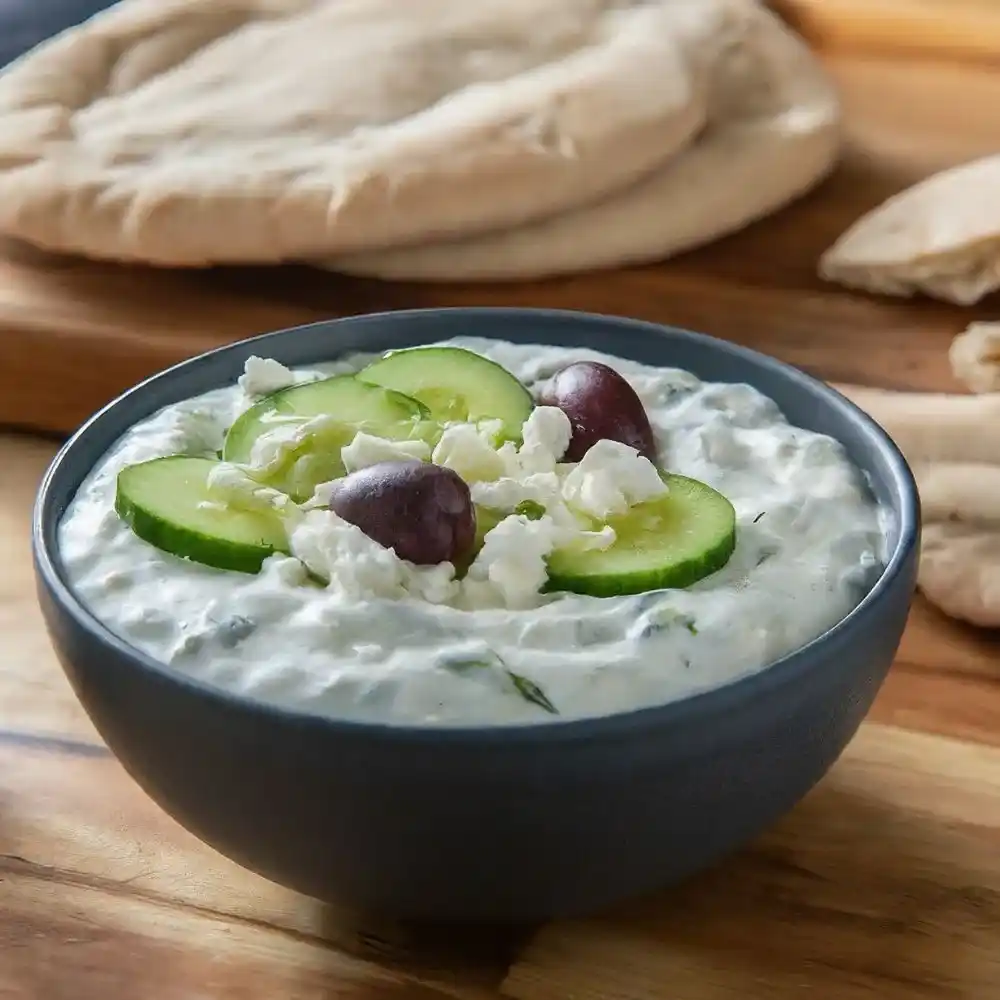
Are you craving a refreshing and versatile dip that adds a burst of flavor to your meals? Look no further than tzatziki a creamy, tangy Greek sauce made with yogurt, cucumber, garlic, and herbs. It is not only a staple in Greek cuisine but also a must-have accompaniment for Mediterranean dishes like gyros, souvlaki, or grilled veggies. Whether you’re preparing a light snack, a side for your barbecue, or a healthy topping for sandwiches, tzatziki is the perfect addition.
In this post, we’ll guide you through making authentic, homemade tzatziki recipe, ensuring it’s both delicious and packed with nutrients. You’ll learn the key ingredients, step-by-step instructions, variations to customize your recipe, and much more.
Related: 5-Minute Caesar Salad Dressing Recipe for Every Occasion
Equipment Needed for Tzatziki
Before diving into the recipe, gather the following kitchen tools to make your tzatziki preparation smooth and easy.
- Mixing bowl – A medium-sized bowl for mixing all ingredients.
- Grater – To finely grate the cucumber.
- Strainer or cheesecloth – For draining excess moisture from the cucumber.
- Garlic press – To crush the garlic cloves (optional).
- Whisk – To combine the yogurt with other ingredients.
- Knife – For chopping herbs like dill or mint.
Ingredients for Tzatziki
To make authentic and flavorful tzatziki, you’ll need these simple, fresh ingredients:
- 2 cups Greek yogurt (full-fat or low-fat, depending on your preference)
- 1 medium cucumber, grated and drained
- 2 cloves garlic, minced
- 1 tablespoon olive oil
- 1 tablespoon fresh lemon juice
- 1 tablespoon fresh dill, finely chopped (you can also use mint for a variation)
- Salt and pepper to taste
- Optional garnishes: extra olive oil, lemon slices, fresh herbs
Step-by-Step Instructions: How to Make Tzatziki
1. Prepare the Cucumber
Start by grating the cucumber using a box grater or food processor. Once grated, place the cucumber in a strainer or cheesecloth and squeeze out as much water as possible. This step is crucial for preventing the Greek Sauce from becoming watery. Let the cucumber sit for about 5 minutes to drain completely.
2. Combine Yogurt and Ingredients
In a mixing bowl, add the Greek yogurt. Stir in the grated cucumber, minced garlic, olive oil, lemon juice, and fresh dill. Season with salt and pepper to taste. Mix everything together with a whisk or spatula until all the ingredients are evenly distributed.
3. Taste and Adjust
Taste your tzatziki and adjust the seasoning as needed. If you prefer more garlic, feel free to add another clove, or if you want a tangier flavor, increase the lemon juice.
4. Chill Before Serving
For the best flavor, refrigerate your tzatziki for at least 30 minutes before serving. This allows the flavors to meld together beautifully.
5. Serve and Garnish
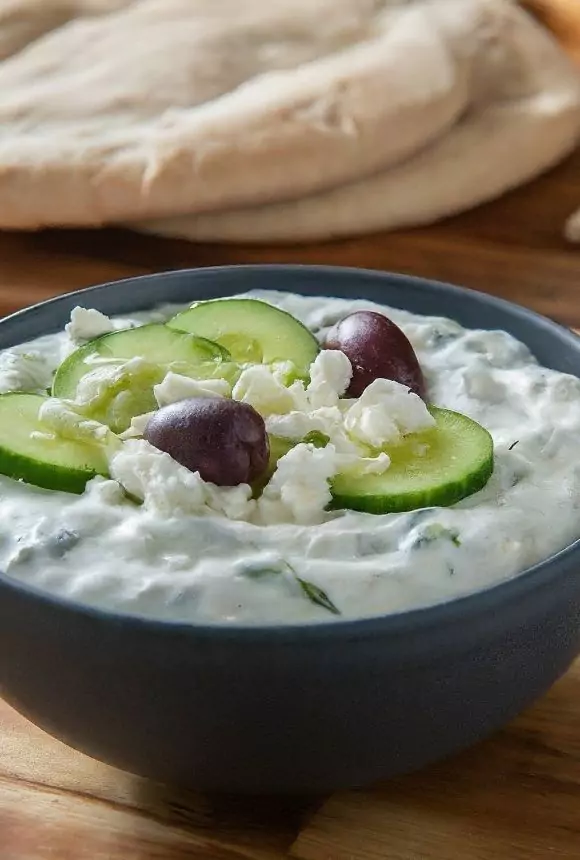
When you’re ready to serve, drizzle a bit of olive oil on top and garnish with extra dill, mint, or lemon slices if desired. Pair your tzatziki with pita bread, veggies, or your favorite grilled meats for a delicious Mediterranean experience.
Related: Easy Black Cherry and Blackberry Smoothie Recipe
Nutritional Information (Per Serving)
- Calories: 70
- Protein: 5g
- Fat: 4g
- Carbohydrates: 4g
- Fiber: 0.5g
- Sugar: 3g
- Sodium: 50mg
Why Tzatziki Is a Healthy Choice

Related: Chicken in White Wine Sauce
The Greek sauce is not only delicious but also a healthier alternative to many other creamy dips. Here’s why:
- High in Protein: The Greek yogurt used in tzatziki provides a great source of protein, which helps keep you full and supports muscle repair.
- Low in Calories: Unlike heavy cream-based dips, tzatziki is light and low in calories, making it a guilt-free addition to any meal.
- Packed with Probiotics: Greek yogurt contains live active cultures that promote gut health by boosting beneficial bacteria in the digestive system.
- Rich in Vitamins: Ingredients like cucumber, garlic, and herbs provide antioxidants and essential vitamins that support overall health.
Tips and Variations for Tzatziki
Customize your sauce to suit your tastes and dietary preferences with these tips and variations:
- Make It Vegan: Substitute Greek yogurt with a dairy-free alternative like almond or coconut yogurt. Be sure to use plain, unsweetened varieties.
- Extra Creamy Tzatziki: For a richer texture, use full-fat Greek yogurt or add a tablespoon of sour cream.
- Herb Variations: While dill is traditional, you can switch things up by using fresh mint, parsley, or a combination of herbs for a unique flavor.
- Spice It Up: Add a pinch of red pepper flakes or cayenne pepper for a spicy kick.
- Zesty Citrus Twist: Swap lemon juice for lime juice to give the tzatziki a refreshing citrus zing.

Frequently Asked Questions (FAQs)
1. Can I make tzatziki in advance?
Yes! Tzatziki can be made a day ahead and stored in the refrigerator. In fact, the flavors often develop even better after resting for several hours. However, be sure to consume it within 3-4 days for optimal freshness.
2. Can I freeze tzatziki?
While it is possible to freeze tzatziki, the texture may change upon thawing, becoming slightly watery. If you do freeze it, make sure to stir it well after defrosting to recombine the ingredients.
3. How do I keep my tzatziki from being too watery?
The key to preventing watery tzatziki is properly draining the cucumber. After grating the cucumber, use a cheesecloth or fine strainer to remove as much excess moisture as possible.
4. Can I use regular yogurt instead of Greek yogurt?
While you can use regular yogurt, the consistency of your tzatziki will be thinner. For best results, use Greek yogurt because of its thick, creamy texture.
5. What can I serve with tzatziki?
Tzatziki is incredibly versatile! It can be served as a dip with pita bread or fresh vegetables, as a sauce for grilled meats, or as a spread for sandwiches and wraps for lunch or for dinner.