Authentic Moroccan Chicken Tagine Recipe
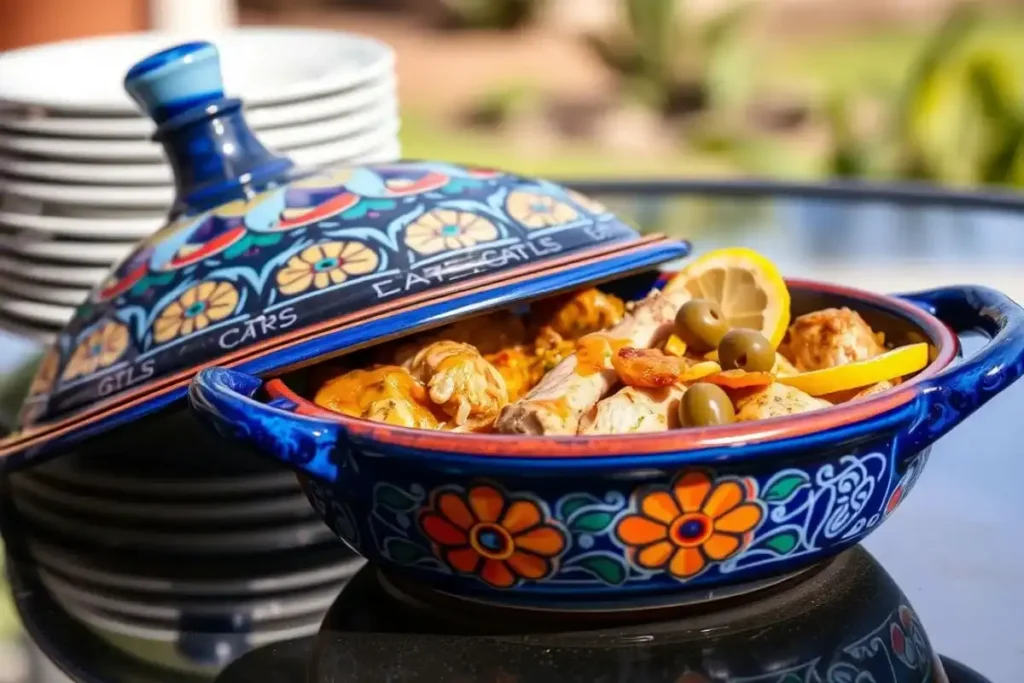
When I first tasted Moroccan Chicken Tagine, I was transported. The flavors were unlike anything I had experienced—a perfect harmony of warm spices, citrusy preserved lemon, and the briny touch of green olives. It reminded me of comfort food from childhood but with a magical twist.
This dish has deep roots in Moroccan tradition, often served during family gatherings, festive dinners, and special celebrations. It’s more than just a meal; it’s a cultural expression. Cooking tagine is a slow and soothing process, inviting you to pause, breathe in the rich aroma, and savor the moment.
Whether you’re new to Moroccan cuisine or looking to recreate a taste of your travels, this guide will walk you through every flavorful step of making an authentic Moroccan Chicken Tagine.
Related: Honey Walnut Chicken (30-Minute Recipe)
What Is Moroccan Chicken Tagine?
Key Characteristics
- Simmered gently in a cone-shaped tagine or a Dutch oven.
- Infused with bold spices like turmeric, ginger, and ras el hanout
- Includes preserved lemons and green olives for a unique flavor
- Typically served with couscous or warm flatbread
A tagine is both a cooking pot and the meal made in it. The pot has a cone-shaped lid. This special design traps steam and pushes it back down. As a result, the meat cooks slowly and stays tender. At the same time, the spices blend deeply into the dish. That’s why tagines are so rich in flavor.
This traditional North African chicken stew is a staple in Moroccan households. It embodies the soul of Moroccan cooking: resourceful, spice-rich, and meant to be shared.
Ingredients for an Authentic Moroccan Chicken Tagine
Here’s what you’ll need to bring Moroccan cuisine to your table. In this recipe, I will give you the simple and easy chicken tagine recipe. If you want to try the traditional Moroccan chicken Tagine recipe, you will need to add vegetables like carrots, potatoes, tomatoes and cauliflower.
Ingredient Table
| Ingredient | Quantity | Notes |
|---|---|---|
| Chicken thighs/legs | 6 pieces | Bone-in, skin-on preferred |
| Onion (sliced) | 2 mediums | Yellow or red |
| Garlic (minced) | 4 cloves | Fresh |
| Preserved lemons | 2 quarters | Rinsed and chopped |
| Green olives | 1 cup | Pitted |
| Olive oil | 3 tbsp | Extra virgin |
| Ras el Hanout | 1 tbsp | Or mix of cinnamon, cumin… |
| Turmeric, Ginger, Paprika | 1 tsp each | Ground spices |
| Chicken broth | 1 cup | Homemade or low-sodium |
| Fresh parsley/cilantro | 2 tbsp | For garnish |
Related: Chicken and Green Beans Recipe – A One-Pan Healthy Dinner
How to Make Moroccan Chicken Tagine (Step-by-Step Instructions)
Preparation Steps
- Marinate the Chicken
Combine all together the olive oil, turmeric, paprika, ginger, and ras el hanout. Rub over the chicken and let it marinate for 30 minutes. - Sauté the Aromatics
In your tagine pot or Dutch oven, sauté the onions and garlic until translucent. - Layer the Tagine
Place the marinated chicken over the onion base. Add preserved lemons and olives. - Add the Broth
Add the chicken broth, then let it come to a gentle simmer. - Slow Cook
Cover your Tajine and cook on low heat for 1.5 to 2 hours over an open flame or in a wood-fired oven. The chicken should be fall-off-the-bone tender. - Garnish and Serve
Sprinkle with chopped parsley or cilantro. Serve hot with couscous or crusty bread.
Serving Tips
- Couscous, Seffa or warm Moroccan bread is the perfect companion.
- Add a light salad with oranges and fennel for a refreshing contrast.
- Moroccan people prefer to drink a mint tea after Tagine meals.
Nutrition Information & Cooking Equipment
Nutritional Breakdown (Per Serving)
| Nutrient | Amount |
| Calories | 390 kcal |
| Protein | 28g |
| Fat | 24g |
| Carbohydrates | 12g |
| Fiber | 3g |
| Sodium | 760mg |
Related: Best Acapulco Chicken Recipe for a Perfect Family Dinner
Equipment Needed
| Equipment | Purpose |
| Tagine pot/Dutch oven | For slow cooking and flavor melding |
| Chef’s knife | For chopping vegetables and meat |
| Cutting board | Safe food prep |
| Measuring spoons | For accurate spice measurement |
| Mixing bowl | For marinating chicken |
Tips, Variations & Storage Ideas
Expert Cooking Tips
- Bone-in chicken stays juicier and more flavorful when cooked slowly.
- Preserved lemons can be made at home or purchased from Middle Eastern markets.
- Don’t rush the cooking—slow simmering is essential for authentic flavor.
Variations
- Vegetarian Tagine: Swap chicken for chickpeas, carrots, and potatoes.
- Spicy Tagine: Add harissa paste or chili flakes to the marinade.
- Sweet Twist: Include dried apricots or prunes for a savory-sweet version.
Storage
- Store leftovers in an airtight container in the fridge for up to 4 days.
- Freeze portions for up to 2 months. Reheat gently on the stovetop.
Essential Equipment for Moroccan Chicken Tagine
Complete your North African culinary experience with the right tools.
1. Traditional Tagine Pot (or Dutch Oven Alternative)
The signature clay or ceramic tagine creates tender meat and deep flavor through slow cooking.
Le Creuset Enameled Cast Iron Tagine, 2 qt – Beautiful, durable, and ideal for stovetop or oven use.
- Pros: Combines modern function with traditional shape
- Cons: Expensive, but worth the investment
- Perfect For: Steaming chicken and spices gently for hours
Alternative:
Lodge Enameled Cast Iron Dutch Oven – Great for those who don’t own a tagine
2. Chef’s Knife
For chopping onions, garlic, preserved lemons, and herbs.
Mercer Culinary Genesis 8-Inch Chef’s Knife – Precision, grip, and durability at a fair price.
- Pros: Well-balanced and affordable
- Cons: Needs sharpening over time
- Perfect For: Cutting chicken thighs and prepping veggies
3. Cutting Board
Stable surface for safe chopping.
Greener Chef Organic Bamboo Cutting Board – Eco-friendly and knife-safe.
- Pros: Non-slip, moisture-resistant
- Cons: Hand-wash only
- Perfect For: Handling raw chicken and aromatics
4. Measuring Spoons + Cups
Spices like cumin, turmeric, and paprika require precision.
Spring Chef Magnetic Measuring Spoons Set – Double-ended for dry/wet, magnetic for storage.
- Pros: Engraved, won’t fade
- Cons: Not stackable without magnets aligned
- Perfect For: Getting spice ratios just right
5. Mixing Bowls
To toss chicken with spices before cooking.
Stainless Steel Mixing Bowl Set with Lids – Nestable, durable, multi-size.
- Pros: Lightweight, won’t retain smells
- Cons: Lids can be tight-fitting
- Perfect For: Marinating chicken with garlic, ginger, and saffron
6. Spice Grinder or Mortar & Pestle
For freshly ground spices – the soul of Moroccan cooking.
Cuisinart Electric Spice and Nut Grinder – Fast and efficient grinding.
- Pros: Easy to clean, fast results
- Cons: Not for wet ingredients
- Perfect For: Grinding whole cumin, coriander, cinnamon sticks
Traditional Option:
ChefSofi Mortar and Pestle Set – 6″ Unpolished Granite – For hand-grinding garlic and spices
7. Tagine Heat Diffuser (if using clay tagine)
Prevents cracking and ensures even heat.
SimmerMat Heat Diffuser – Works with tagines on gas or electric stoves.
- Pros: Distributes heat gently
- Cons: Adds one more tool to clean
- Perfect For: Safe use of authentic clay tagines on modern stovetops
8. Serving Platter (Rustic or Ceramic)
Elevate your presentation with authentic vibes.
Sweese Porcelain Oval Serving Platter – Elegant and oven-safe.
- Pros: Sleek design, microwave-safe
- Cons: Heavy when fully loaded
- Perfect For: Presenting your chicken tagine with olives and preserved lemon
9. Moroccan Tea Set (Optional, for the full experience)
Enhance the meal with traditional mint tea.
Zig-Zag Moroccan Tea Set with Tray & Glasses – Decorative and functional.
- Pros: Authentic style
- Cons: Not all dishwasher-safe
- Perfect For: A finishing touch with sweet mint tea
FAQs About Moroccan Chicken Tagine
Can I make Moroccan Chicken Tagine without a clay pot?
Yes, you absolutely can. A traditional tagine pot adds flavor, but you don’t need it to make the dish. A Dutch oven or any heavy-bottomed pot with a tight-fitting lid works just as well. The secret lies in slow cooking and moisture retention. That’s why your pot should be able to trap steam and circulate heat evenly. In fact, many modern Moroccan households use regular cookware to make this dish. So, don’t let the absence of a tagine pot stop you from enjoying it.
What makes Moroccan Chicken Tagine different from other stews?
Unlike most stews, Moroccan Chicken Tagine blends sweet and savory elements in one dish. This recipe typically includes spices like cumin, turmeric, ginger, and cinnamon. Additionally, it features preserved lemons and briny green olives. These ingredients come together to form a bold, zesty flavor that’s difficult to mimic. As a result, this dish is more than just a stew—it’s a reflection of Morocco’s deep culinary roots. Every bite captures the essence of centuries-old spice trade and Mediterranean influence.
Is Moroccan Chicken Tagine healthy?
Yes, it’s a healthy and balanced meal. First of all, chicken provides lean protein. Secondly, the spices used—such as turmeric, ginger, and cinnamon—offer anti-inflammatory and antioxidant benefits. In addition, vegetables like onions, garlic, carrots, and sometimes even tomatoes add fiber and essential nutrients. Since the dish is simmered slowly in olive oil and broth, it requires little added fat. As a result, you get a satisfying, hearty meal that’s also nourishing. It’s a great option if you’re watching your weight or aiming to eat cleaner.
Can I use chicken breasts instead of thighs?
Yes, you can. However, thighs are generally better for this dish. They contain slightly more fat, which helps them stay moist during long cooking times. On the other hand, chicken breasts tend to dry out quickly if overcooked. If you still prefer using breasts, consider shortening the cooking time or adding them later in the process. You can also marinate them beforehand for extra tenderness. But overall, chicken thighs will give you juicier and more flavorful results.
Can I make Moroccan Chicken Tagine ahead of time?
Absolutely. In fact, many people find it tastes even better the following day. Like most stews, the flavors develop and deepen as the dish rests. You can prepare it one or even two days in advance. Simply store it in the fridge and reheat it gently over low heat. Just make sure to let it cool fully before refrigerating. This not only makes it a great meal-prep option but also helps you save time on busy days.
What side dishes go well with Moroccan Chicken Tagine?
Traditionally, it’s served with warm flatbread or fluffy couscous. However, you can also pair it with quinoa or steamed rice for a modern twist. Roasted vegetables, lentil salad, or a simple cucumber and tomato salad make excellent side dishes too. The idea is to complement the rich, spiced sauce with something light and refreshing. That way, each bite feels balanced and satisfying.
Final Thoughts: Bring Morocco to Your Kitchen
Moroccan Chicken Tagine is more than a recipe—it’s a culinary experience. The slow cooking, the fragrant spices, and the vibrant ingredients come together in a way that nourishes both body and soul.
Trying this dish is like opening a window to Moroccan culture. Whether it becomes your next go-to comfort food or a weekend special, you’ll appreciate the depth of flavor and the joy of a well-crafted meal.
So, gather your ingredients, take your time, and savor the experience. Your kitchen is about to smell amazing.
Nutrition & Affiliate Disclaimer: This recipe provides estimated nutritional information based on general ingredient data and standard portion sizes. Always consult a healthcare provider for dietary advice. This post may contain affiliate links. If you make a purchase through these links, Cooker Diary may earn a small commission at no extra cost to you.