Best Kombucha Recipe: Simple, Delicious, and Gut-Friendly
If you’ve ever walked past the kombucha section in your local grocery store and wondered what all the fuss is about, you’re not alone. Kombucha has gained massive popularity in recent years, thanks to its probiotic benefits and unique tangy taste. But did you know that making kombucha recipe at home is not only cost-effective but also surprisingly simple?
In this guide, we’ll walk you through everything you need to know about brewing kombucha, from gathering the right ingredients to troubleshooting common mistakes. Whether you’re a beginner or an experienced home brewer, this step-by-step kombucha recipe will help you create a delicious, gut-friendly beverage with ease.

Related: Natural Mounjaro Recipe with 4 Ingredients
What Is Kombucha Recipe?
Definition and Origin
Kombucha is a fermented tea beverage made with a combination of tea, sugar, bacteria, and yeast. This process produces a fizzy, slightly sweet, and tangy drink that has been consumed for centuries. Originally from China, kombucha spread across the world and is now enjoyed for both its flavor and health benefits. For more about Kombucha history, visit Wikipedia.
Key Components
- SCOBY (Symbiotic Culture of Bacteria and Yeast): The living culture responsible for fermentation.
- Tea: Typically, black or green tea are providing nutrients for fermentation.
- Sugar: Feeds the bacteria and yeast, leading to the fermentation process.
- Starter Tea: A portion of previously brewed kombucha that helps kickstart the fermentation.
Health Benefits of Kombucha
- Rich in probiotics that promote gut health.
- Contains antioxidants that help combat inflammation.
- Supports digestion by balancing gut bacteria.
- May boost the immune system due to its natural acids and enzymes.
How to Make Kombucha Recipe
Related: Homemade Ice Latte Recipe: Better Than Coffee Shops!
Kombucha Recipe Ingredients
Below is a breakdown of the core ingredients used in kombucha brewing:
| Ingredient | Quantity | Purpose |
|---|---|---|
| Black/Green Tea | 4-6 bags | Provides nutrients for fermentation |
| Sugar | 1 cup | Feeds the yeast and bacteria |
| SCOBY | 1 piece | Essential for fermentation |
| Starter Tea | 1-2 cups | Helps maintain pH balance |
| Filtered Water | 14 cups | Avoids chlorine interference |
Equipment Needed (Amazon Links)
- Glass jar (1-gallon size) for fermentation.
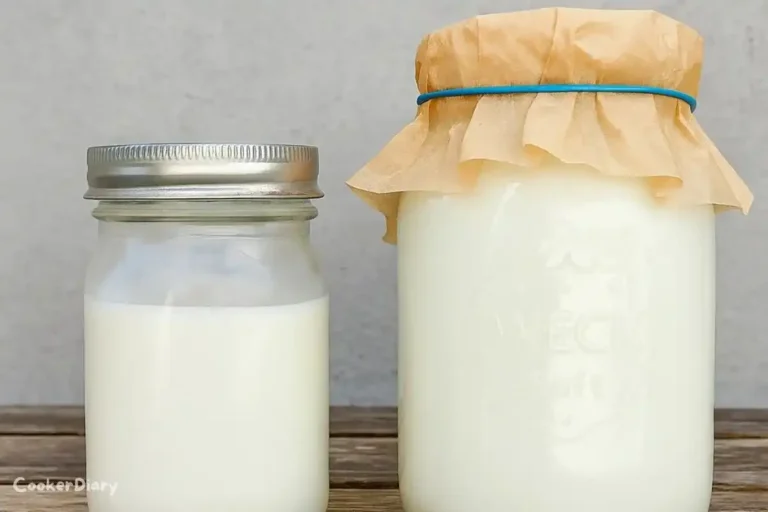
- Breathable cloth (such as a coffee filter or cheesecloth) and a rubber band to cover the jar.
- Glass bottles for storing and carbonating the finished kombucha.
- Funnel and strainer for easy bottling.
Why Use Quality Ingredients for Brewing Kombucha Recipe?
Using the right ingredients is key to brewing delicious, healthy kombucha. Each component plays a role in the fermentation process. Poor-quality ingredients can affect taste, carbonation, and even the health of your SCOBY.
- Tea Selection Matters: Tea provides essential nutrients for fermentation. Choose organic black or green tea for the best results. Black tea gives a stronger flavor and deeper color, while green tea produces a lighter, milder taste. Avoid herbal or flavored teas. Many contain oils, artificial flavors, or preservatives that can weaken or kill the SCOBY.
- The Right Sugar Feeds Fermentation: Sugar is essential for feeding the bacteria and yeast. Use organic cane sugar, white sugar, or raw sugar for the best fermentation. Avoid substitutes like honey, artificial sweeteners, or brown sugar. These can slow fermentation or introduce unwanted bacteria.
- Pure Water Enhances Quality: Water quality affects fermentation. Use filtered or spring water to avoid chlorine, fluoride, and other chemicals found in tap water. These can disrupt the balance of your brew and harm the SCOBY.
- Avoid Contaminants: Even small amounts of pesticides, chemicals, or artificial additives can interfere with fermentation. Using organic, natural ingredients ensures a healthy brew with a clean, crisp taste.
Choosing high-quality ingredients leads to better-tasting, more consistent kombucha. It also helps maintain a strong, active SCOBY for future batches.
Step-by-Step Kombucha Recipe
1: Prepare the Tea Base
- Boil 4 cups of filtered water.
- Add tea bags and steep for 10-15 minutes.
- Remove tea bags and stir in sugar until fully dissolved.
- Allow the tea to cool to room temperature.
2: Add the SCOBY & Starter Tea (Amazon Link)
- Pour the sweetened tea into a clean glass jar.
- Pour in the rest of the filtered water to fill the glass jar.
- Gently place the SCOBY on top.
- Pour in the starter tea to help acidify the mixture.
3: First Fermentation
- Cover the jar with a breathable cloth and secure it with a rubber band.
- Keep the jar in a warm, dark area, between 68-78°F, for 7 to 14 days.
- Check periodically for fermentation progress.
4: Second Fermentation & Flavoring (Optional)
- Remove the SCOBY and reserve some starter tea for your next batch.
- Fill the glass bottles with kombucha, making sure to leave some room at the top.
- Add fruits, herbs, or spices for additional flavor.
- Seal the bottles and let them sit at room temperature for 3-7 days for carbonation.
- Refrigerate before serving.
Related: How to Make Dairy-Free Hot Cocoa Mix at Home
Troubleshooting Kombucha Recipe: Common Mistakes & Fixes
Even experienced brewers face challenges when making kombucha. The great thing is that many problems have easy fixes. Below are the most common problems and how to fix them.
Why Is My Kombucha Too Sour or Too Sweet?
Finding the right balance between sweetness and tartness can take some practice.
- Too sour? This means the kombucha has fermented too long. The longer it ferments, the more sugar gets consumed, resulting in a tangy, vinegar-like taste.
Fix: Reduce the fermentation time. Taste the brew after 7 days and bottle it when it reaches your preferred flavor. If it’s already too sour, use it in marinades or as a vinegar substitute. - Too sweet? This happens when fermentation is too short, leaving too much sugar in the brew.
Fix: Let it ferment for a few more days. The bacteria and yeast need more time to break down the sugar. Try tasting it every 24 hours until it reaches the right balance.
Mold vs. Healthy SCOBY
Understanding the difference between normal growth and harmful mold is crucial.
- Mold: If you see fuzzy patches in blue, green, or black, it’s mold. This is a sign of contamination.
Fix: Unfortunately, mold means the batch is unsafe. Discard everything, including the SCOBY, and start fresh with sanitized equipment. - Healthy SCOBY: A good SCOBY is smooth, jelly-like, and may have brown stringy bits floating in the liquid. These are yeast strands, not mold. It might also develop bumps or layers, which is normal.
Tip: Mold is rare if you follow proper hygiene and fermentation practices. Always use clean tools and fresh ingredients.
Best Practices for Consistency
To achieve the perfect kombucha recipe every time, follow these best practices:
- Maintain a stable temperature. The ideal range is 68-78°F (20-26°C). Too cold slows fermentation, while too hot speeds it up, affecting flavor. Use a Digital Thermometer
- Use sanitized equipment. Clean hands, jars, and utensils prevent bad bacteria from contaminating the brew. Avoid using metal, as it can react with the acids in kombucha.
- Measure ingredients accurately. Using too much or too little tea, sugar, or starter liquid can throw off fermentation. Stick to a proven recipe for the best results.
- Keep batches consistent. If you find a flavor you love, replicate the process exactly each time. Use the same tea, sugar, and fermentation time to maintain quality.
With these troubleshooting tips, you can avoid common mistakes and enjoy delicious, homemade kombucha with confidence.
Related: Easy Dominican Breakfast Recipes
Storing and Serving Tips for Kombucha Recipe
How to Store Kombucha Recipe Properly
Proper storage keeps your kombucha fresh and tasty. Once fermentation is complete, transfer the kombucha to airtight glass bottles. This helps maintain its carbonation and prevents unwanted bacteria from affecting the brew.
Always store kombucha in the refrigerator. Cold temperatures slow down fermentation and keep the flavor balanced. If left at room temperature for too long, kombucha may become too sour or overly fizzy.
Avoid using plastic containers. Kombucha’s acidity can break down plastic over time, potentially releasing harmful chemicals. Glass is the best option for safe storage.
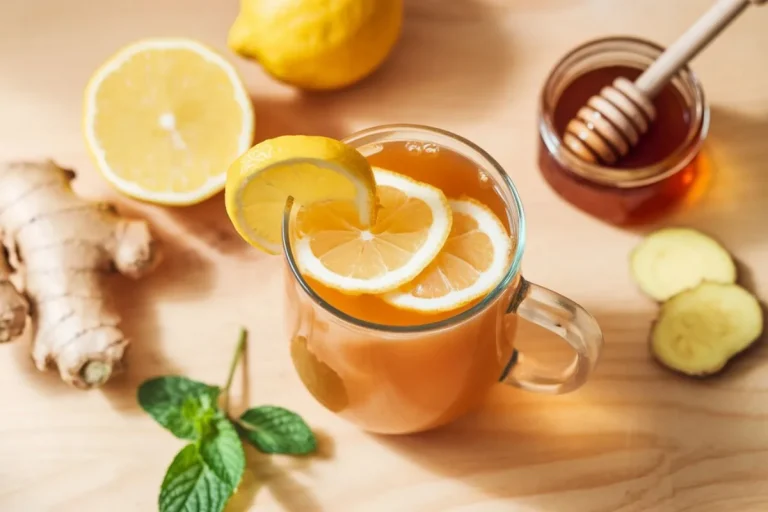
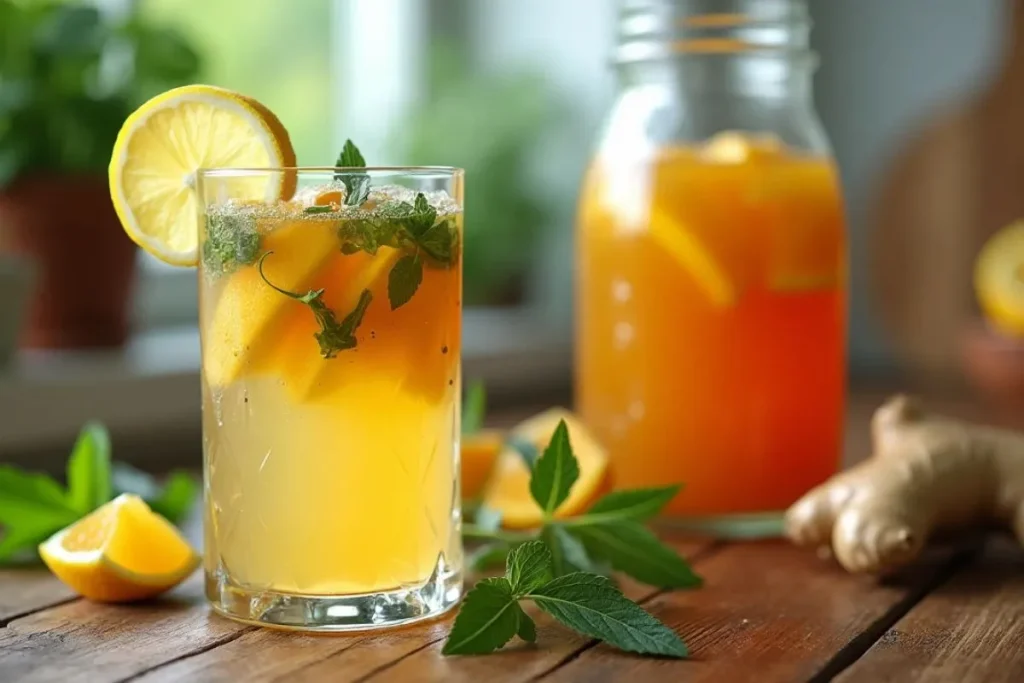
If you prefer extra fizz, try second fermentation. Add fruit, ginger, or herbs to sealed bottles and let them sit at room temperature for one to three days. Then, refrigerate and enjoy a naturally carbonated drink.
Creative Ways to Serve Kombucha Recipe
Kombucha is refreshing on its own, but there are fun ways to enhance the experience:
- Serve it chilled over ice for a crisp and cooling drink.
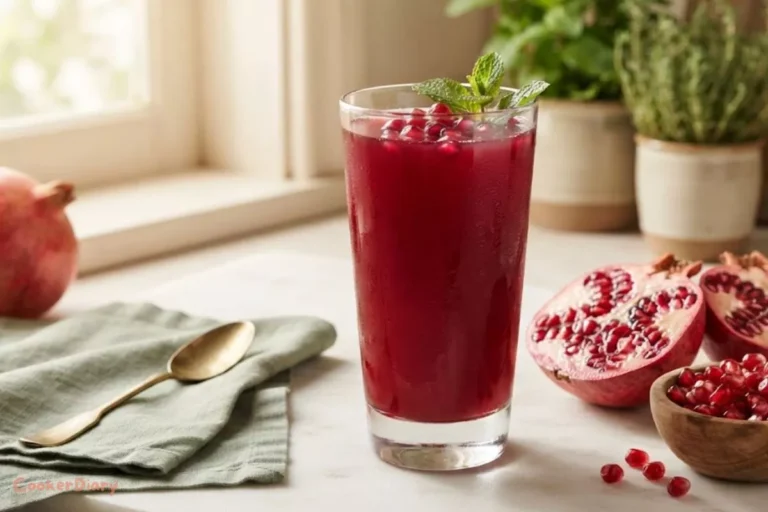
- Mix it with fresh fruit juice, such as orange, pineapple, or pomegranate, for a natural and flavorful twist.
- Use it as a base for mocktails or cocktails. Pair it with herbs like mint or basil for an extra burst of freshness.
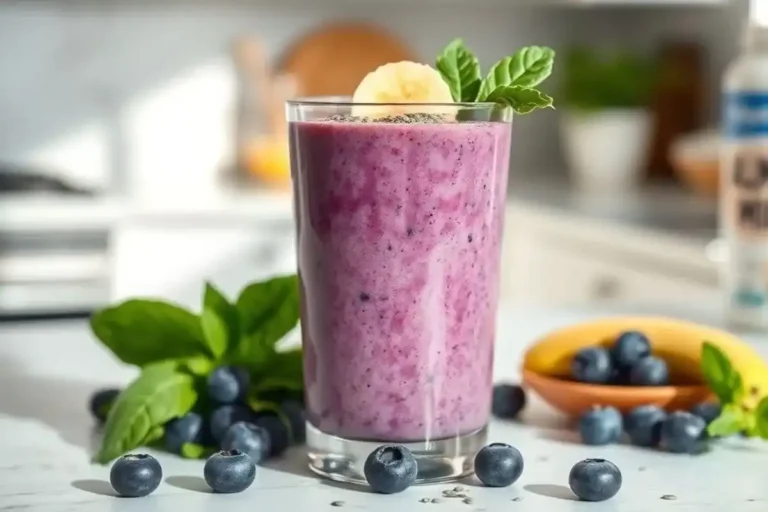
- Blend it into smoothies for a probiotic boost.
- Freeze it into ice pops for a unique, gut-friendly treat.
Can You Drink Too Much Kombucha?
Kombucha is packed with probiotics and antioxidants, but moderation is key. Drinking excessive amounts may cause bloating, digestive discomfort, or even mild acidity in some people.
Stick to one to two cups per day to enjoy its benefits without side effects. If you’re new to kombucha, start with small amounts and observe how your body reacts. Those with sensitive stomachs or underlying health conditions should consult a doctor before consuming kombucha regularly.
Related: Hugo Spritz Recipe: How To Make It Alcohol-free
Frequently Asked Questions
How long does it take to make kombucha?
Making kombucha is a two-step process. The first fermentation takes between 7 to 14 days. During this time, the SCOBY ferments the sweet tea, producing beneficial acids and probiotics. If you choose to flavor your kombucha, a second fermentation is needed. This takes an additional 3 to 7 days. The total time depends on temperature, tea type, and fermentation conditions. Warmer temperatures speed up the process, while cooler conditions slow it down.
What are the best teas for brewing kombucha?
The best teas for kombucha contain natural nutrients that support fermentation. Black tea is the most popular choice because it provides strong flavor and promotes healthy SCOBY growth. Green tea offers a milder taste with high antioxidant content. Oolong tea combines the benefits of black and green tea, offering a balanced flavor. White tea is also an option, but it has fewer nutrients for the SCOBY. Herbal teas should be used with caution. Some contain oils or antibacterial properties that can harm the fermentation process.
Can I make kombucha without sugar?
Sugar is essential for fermentation. The SCOBY feeds on sugar, converting it into beneficial acids, probiotics, and a small amount of alcohol. While traditional kombucha recipes use white cane sugar, there are alternatives. Honey can be used for Jun kombucha, a variation with a lighter, floral flavor. Coconut sugar and maple syrup are other options, but they may alter the taste and slow fermentation. Artificial sweeteners should be avoided, as they do not provide the necessary nutrients for the SCOBY.
Is homemade kombucha better than store-bought?
Homemade kombucha offers several benefits. It is fresher, more affordable, and allows full control over ingredients and flavors. You can adjust the sweetness, carbonation, and fermentation time to suit your taste. Store-bought kombucha is convenient but may contain added sugars, artificial flavors, or preservatives. Some commercial brands pasteurize their kombucha, reducing its probiotic content. If you prefer a healthier, more natural drink, making your own kombucha is the best option.

Enjoy the Benefits of Homemade Kombucha
Making kombucha recipe at home is a rewarding process that allows you to control the ingredients, flavors, and fermentation time. Not only is it more affordable than store-bought versions, but it also ensures a healthier, probiotic-rich beverage.
Now that you have a complete guide to brewing kombucha, why not start your first batch today? Experiment with flavors, share your experiences, and enjoy the benefits of homemade kombucha!