
Creme Brule: Classic Dessert
When it comes to decadent, sophisticated desserts, few can rival the allure of Creme Brule. This elegant treat, with its smooth custard base and delicate caramelized top, has graced fine dining menus worldwide. Yet, despite its gourmet reputation, Creme Brule is surprisingly straightforward to prepare at home, making it an ideal choice for those looking to impress without an overwhelming kitchen endeavor. But what exactly is Creme Brule? Is it gluten-free? And what does it taste like? Let’s dive deep into the world of this iconic dessert.
Related: King Crab Brûlée Recipe: The Perfect Fusion of Sweet and Savory
What is Creme Brule?
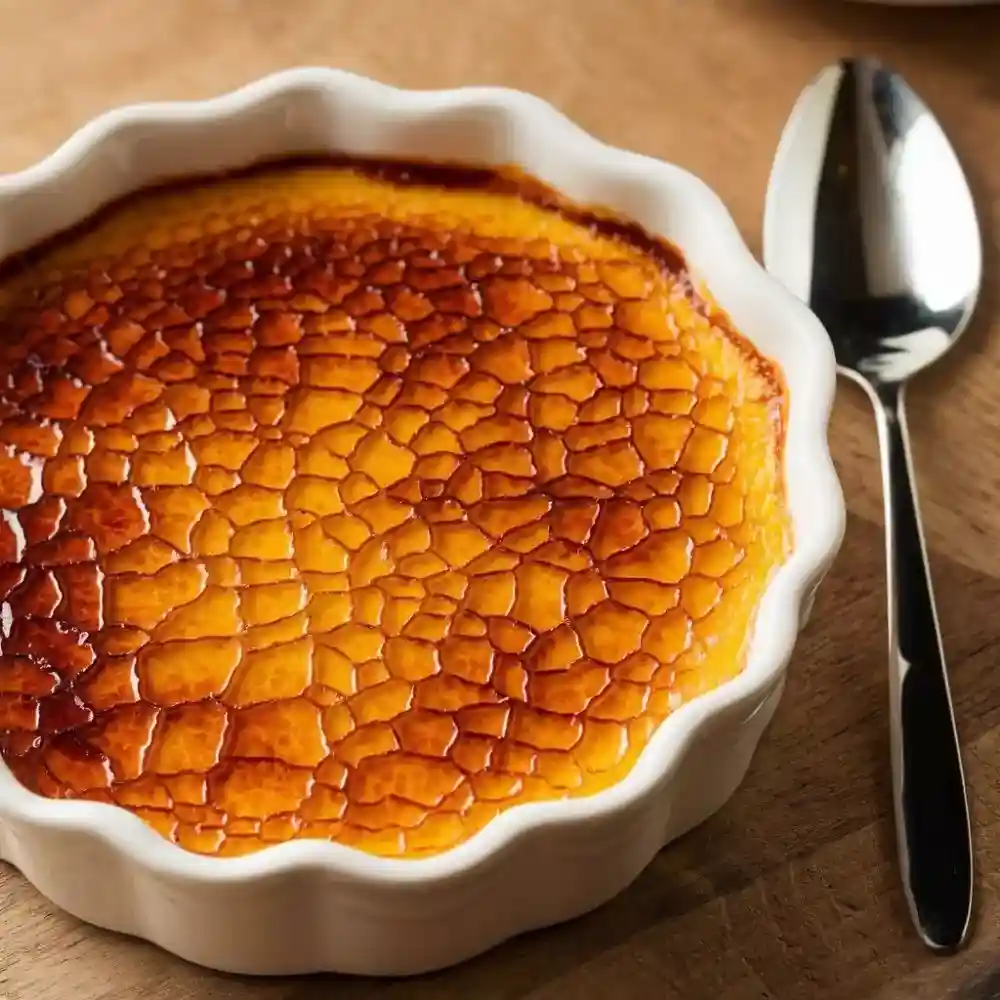
Creme Brule, which translates from French as “burnt cream,” is a dessert that dates back several centuries, with its origins traced to both France and England. The dish is fundamentally a custard made from simple ingredients: eggs, sugar, heavy cream, and vanilla, creating a silky-smooth texture that melts on the palate. What sets it apart is the caramelized sugar layer on top, achieved by sprinkling a thin layer of sugar over the custard and then using a torch (or broiler) to melt and caramelize it. This creates a satisfying contrast between the crisp top and the creamy base beneath.
The balance of textures is part of its charm. The custard itself is rich and creamy, while the caramelized sugar adds a satisfying crunch, making each bite a unique experience.
How to Make Creme Brule
The process of crafting Creme Brule may seem daunting at first glance, but with the right approach, it can be surprisingly straightforward. Here’s a detailed process for preparing this delightful dessert:
Ingredients:
- 2 cups heavy cream
- 1 vanilla bean (or 1 teaspoon vanilla extract)
- 5 large egg yolks
- ½ cup granulated sugar (plus extra for caramelizing)
- Pinch of salt
Instructions:
- Preheat Your Oven: Set your oven to 325°F (160°C). While the oven heats, prepare the custard mixture.
- Infuse the Cream: In a medium saucepan, heat the heavy cream over medium heat. If you’re using a vanilla bean, split it open and scrape the seeds into the cream. Add the bean pod as well. Bring the cream to a simmer, stirring occasionally, then remove from heat. Let it sit for about 10 minutes to allow the vanilla to infuse its flavor into the cream.
- Prepare the Egg Mixture: While the cream is infusing, whisk the egg yolks with the sugar and a pinch of salt in a bowl until the mixture becomes pale and smooth.
- Temper the Eggs: Gradually pour the warm cream into the egg mixture, whisking constantly to prevent the eggs from curdling. If you’re opting for vanilla extract rather than a vanilla bean, incorporate it at this point.
- Strain the Mixture: Pour the custard through a fine-mesh sieve into another bowl to remove any bits of egg or vanilla pod. This ensures a perfectly smooth custard.
- Prepare the Ramekins: Place four to six ramekins in a large baking dish. Divide the custard evenly among them.
- Bake the Custards: Fill the baking dish with hot water, reaching halfway up the sides of the ramekins. This water bath ensures that the custards cook gently and evenly. Bake for 40-45 minutes, or until the custards are set but still have a gentle wobble in the middle.
- Chill: Remove the ramekins from the water bath and let them cool to room temperature. Once cooled, refrigerate for at least 2 hours or up to 2 days.
- Caramelize the Sugar: Just before serving, sprinkle a thin, even layer of granulated sugar over each custard. Use a kitchen torch to melt and caramelize the sugar until it forms a golden, brittle crust. If you don’t have a torch, you can place the ramekins under a broiler but keep a close eye on them to avoid burning the sugar.
- Serve: Once the sugar has hardened, the Creme Brule is ready to be served. Tap the top with a spoon to crack the caramelized sugar and enjoy the contrast between the crisp top and the creamy custard beneath.

Related: Easy Crab Brulee Recipe
Is Creme Brule Gluten-Free?
For those with gluten sensitivities or celiac disease, dessert options can sometimes feel limited. Fortunately, Creme Brule is naturally gluten-free. The custard base consists of eggs, cream, sugar, and vanilla none of which contain gluten. Additionally, the caramelized sugar topping is simply sugar, making this dessert a safe choice for those avoiding gluten.
However, it’s essential to ensure that any flavorings or additives used in your recipe, such as store-bought vanilla extract, are gluten-free. If dining out, always check with the restaurant to confirm that no gluten-containing ingredients have been added to their version of Creme Brule, as some chefs may introduce flavorings or garnishes that could contain gluten.
What Does Creme Brule Taste Like?
Describing the taste of Creme Brule can be a sensory experience all its own. The custard portion offers a velvety, rich texture, thanks to the heavy cream and egg yolks. Its flavor is creamy, with the vanilla adding a sweet, aromatic note. Depending on the quality of vanilla used, the custard can range from subtly sweet to intensely aromatic.
Then, there’s the caramelized sugar topping. The act of torching the sugar creates a hard, glass-like layer with a deep caramel flavor. The contrast between the warm, slightly bitter caramel and the smooth, cool custard is what makes Creme Brule so irresistible. It’s a dance of textures crunchy and creamy, hot and cold, sweet and slightly bitter all in one bite.
The simplicity of the custard allows it to be a canvas for additional flavors. Some versions of Creme Brule may incorporate flavors like coffee, citrus, chocolate, or even lavender, each adding its own dimension to the classic dessert. But in its purest form, Creme Brule is a celebration of cream, eggs, and sugar, elevated by the magic of caramelization.
Variations and Tips
While the classic vanilla Creme Brule is hard to beat, there are numerous variations of this dessert that allow for creativity in the kitchen. Here are a few ideas:
- Chocolate Creme Brule: Substitute a portion of the cream with melted chocolate to create a rich, indulgent twist on the traditional recipe.
- Citrus Zest: Add a touch of lemon or orange zest to the custard mixture for a bright, refreshing flavor that balances the richness of the custard.
- Coffee Creme Brule: Infuse the cream with coffee beans for a sophisticated mocha flavor that pairs beautifully with the caramelized sugar topping.
- Fruit Toppings: Serve the Creme Brule with fresh berries or citrus slices for added color and flavor.
Is Creme Brule Difficult to Make?
Many first-time bakers might shy away from Creme Brule due to its gourmet reputation, but the recipe is much simpler than it seems. The key to success lies in tempering the eggs and cooking the custard gently. Tempering refers to the process of slowly adding warm liquid (in this case, cream) to the eggs while whisking constantly. This step ensures the eggs don’t scramble, resulting in a smooth, creamy custard.
Additionally, baking the custard in a water bath is crucial. The water acts as an insulator, preventing the edges of the custard from cooking too quickly and ensuring an even texture throughout. Lastly, patience is required. Letting the custard cool and chill completely before torching the sugar is essential for achieving the perfect contrast between warm, crispy caramel and cool, silky custard.

Conclusion
Creme Brule stands as a timeless dessert that balances indulgence with simplicity. Its creamy custard base and caramelized sugar top provide an unparalleled sensory experience, while its straightforward preparation makes it accessible to even novice bakers. Whether you’re hosting a dinner party or simply treating yourself to something sweet, Creme Brule is sure to impress. Best of all, it’s naturally gluten-free, making it an inclusive choice for those with dietary restrictions. So, why not try making Creme Brule at home and experience this iconic dessert in its purest form?
Wow, this is such a well-written article! I’ve been a huge fan of crème brûlée for years, but I’ve never thought about making it at home until now. Your instructions are clear and easy to follow, and the explanation about the texture and flavors is spot on. I’m excited to give this recipe a try soon!
thanks for your reply, we do our best to share best and tasty recipes