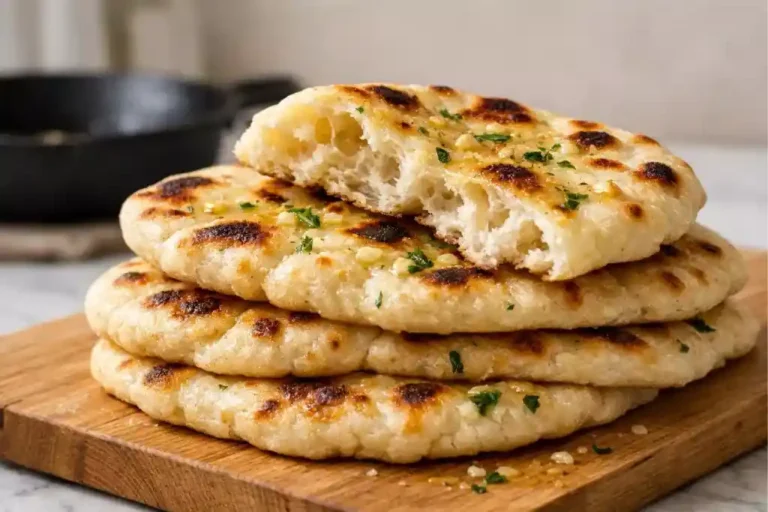
Homemade Soybean Paste Recipe: Healthier and Tastier!
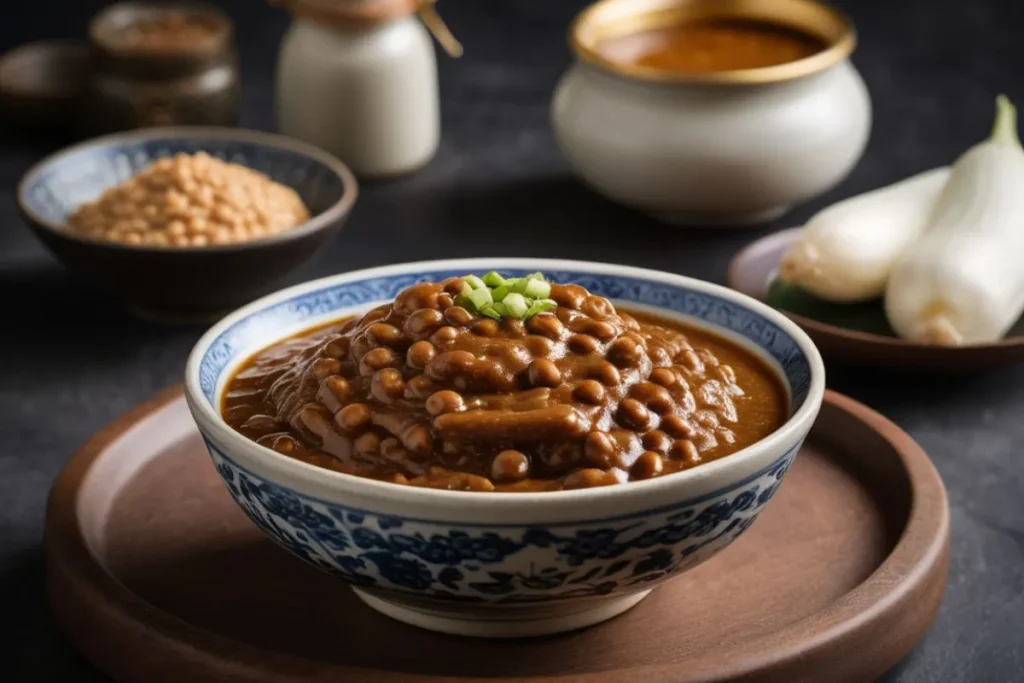
Soybean paste recipe, also known as fermented soybean paste, is a cornerstone of Asian cooking, offering rich umami flavor and endless versatility. Whether you’re crafting a hearty soup, a flavorful marinade, or a dipping sauce, homemade soybean paste is not only tastier than store-bought versions but also healthier. This guide will show you how to make soybean paste from scratch, explore its benefits, and share creative ways to use it in your cooking.
Related: Easy Pepper Lunch Recipe
What is Soybean Paste Recipe?
What Is It Made Of?
Soybean paste recipe is made from simple, natural ingredients: soybeans, salt, water, and sometimes a fermentation starter like koji mold. While store-bought soybean paste may include additives or preservatives, the homemade version is all about purity and traditional methods.
Types of Soybean Paste Recipe
Soybean paste comes in different varieties, each with unique flavors, textures, and uses. The two most popular types are Korean doenjang and Japanese miso. Let’s dive deeper into what makes each special.
Korean Doenjang
Doenjang is a traditional Korean fermented soybean paste. It has a bold, earthy flavor with a slightly salty and pungent taste. This paste is an essential ingredient in Korean cuisine, used to make dishes like doenjang jjigae (soybean paste stew) and ssamjang (a dipping sauce for lettuce wraps).
The fermentation process for doenjang is unique. It starts with meju blocks, which are made by boiling soybeans and shaping them into cubes. These blocks are dried and fermented with salt and water, often aged for months or even years. The result is a deeply flavorful paste that gets better with time.
Doenjang is also prized for its health benefits. Its high probiotic content supports digestion and boosts gut health. The rich umami flavor makes it a perfect addition to soups, marinades, and even vegetable stir-fries.
Japanese Miso
Miso, on the other hand, is the Japanese cousin of doenjang. It is softer, sweeter, and often milder in taste. Miso is made by fermenting soybeans with koji mold and rice, barley, or other grains. This combination gives miso a smoother texture and a slightly sweet undertone, making it versatile for both savory and sweet dishes.
There are different types of miso:
- White Miso (Shiro Miso): Mild, slightly sweet, and ideal for soups and dressings.
- Red Miso (Aka Miso): Richer, with a strong, salty flavor, perfect for hearty stews.
- Mixed Miso (Awase Miso): A blend of red and white miso, offering a balanced flavor profile.
Miso’s flavor depth depends on its fermentation time. Some miso varieties ferment for just a few weeks, while others age for several years. This aging process creates a range of tastes, from light and delicate to bold and robust.
In Japanese cuisine, miso is most famous for miso soup, a simple yet comforting dish. It’s also used in glazes, marinades, and desserts like miso caramel, showcasing its versatility.
Related: Easy Seeded Miso Sweet Potato Bread Recipe
Comparison of Doenjang and Japanese Miso
While both are made from soybeans, their flavors, textures, and uses differ significantly. Doenjang is bold and pungent, often used in hearty, rustic dishes. Miso, being sweeter and milder, finds its way into more refined and delicate recipes.
No matter which you choose, both types of soybean paste bring a depth of flavor that transforms everyday dishes into culinary delights.
Cultural Significance
In Asian households, soybean paste recipe isn’t just an ingredient; it’s a tradition deeply rooted in everyday life and celebrations. Its presence goes beyond flavor. It connects families to their heritage and to generations who passed down recipes and techniques.
A Staple in Traditional Meals
Soybean paste recipe is at the heart of countless classic dishes. For instance, doenjang jjigae, a Korean soybean paste stew, is a comfort food often served with rice and side dishes. It’s not just a meal but an experience shared at family tables. Similarly, Japanese miso soup is an essential part of daily breakfasts, providing warmth and nutrition to start the day.
A Symbol of Community and Sharing
In many rural Asian communities, making soybean paste is a communal activity. Families gather to soak, mash, and ferment soybeans in large batches. This process fosters bonding and ensures that every household has a supply of fresh, homemade paste. Sharing jars of homemade soybean paste recipe with neighbors or friends is also a common gesture of goodwill.
Representation of Culinary Identity
Soybean paste recipe plays a significant role in defining regional cuisines. In Korea, the robust, earthy flavor of doenjang reflects the nation’s love for bold and fermented flavors. In contrast, the lighter, sweeter notes of Japanese miso showcase the elegance and simplicity of their culinary tradition. By using soybean paste, home cooks can recreate these authentic flavors and stay connected to their cultural roots.
A Link Between Generations
The art of making soybean paste recipe is often passed down through generations. Grandparents teach their children and grandchildren the intricate steps of fermentation and the value of patience. This tradition ensures that the knowledge and appreciation for soybean paste continue to thrive, preserving it as an integral part of the family legacy.
Soybean paste recipe is much more than just a cooking ingredient. It is a symbol of love, heritage, and tradition, binding people through shared meals and cherished memories. By making and using it at home, you too can become part of this timeless culinary story. Learn more about Japanese soybean paste.
Health Benefits of Soybean Paste Recipe
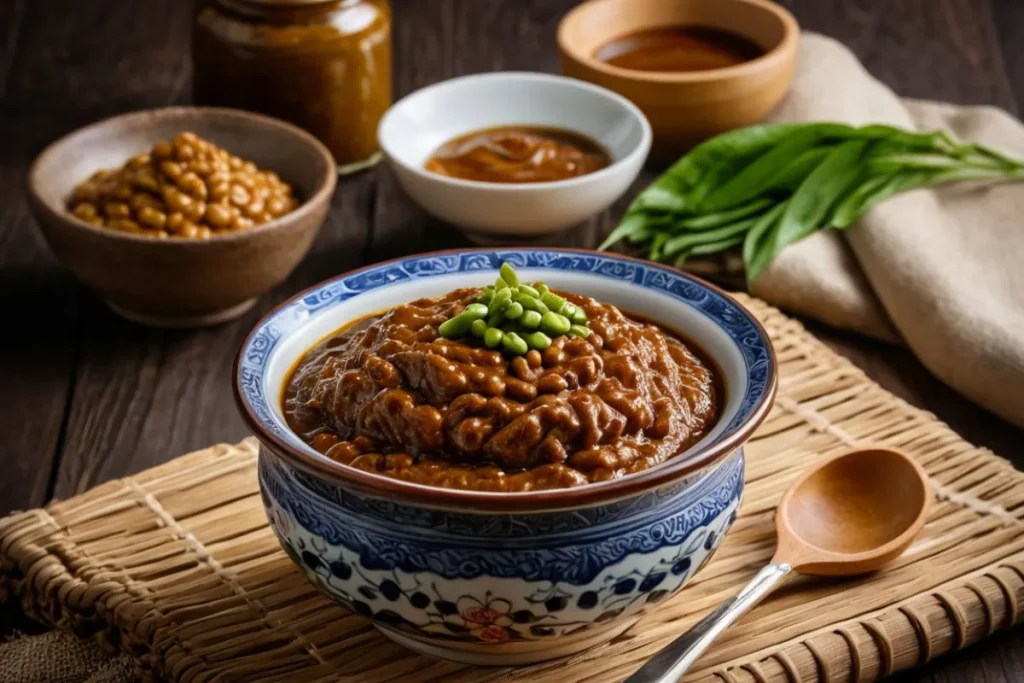
Fermented soybean paste recipe is more than just a flavorful ingredient; it’s a nutritional treasure with remarkable health benefits. Let’s dive into why incorporating soybean paste into your diet is a smart and tasty choice.
Probiotic Properties
The fermentation process is the magic behind soybean paste recipe. During fermentation, beneficial bacteria, often called probiotics, develop naturally. These friendly microorganisms help improve gut health by maintaining a balanced microbiome.
A healthy gut microbiome is essential for digestion. Probiotics help break down food efficiently, reduce bloating, and even alleviate symptoms of digestive disorders like irritable bowel syndrome (IBS).
Moreover, probiotics do more than support digestion. They strengthen the immune system. By promoting a healthy gut barrier, they prevent harmful bacteria and toxins from entering the bloodstream. For example, regularly consuming fermented foods like soybean paste can reduce your risk of infections.
If you’ve ever experienced post-antibiotic digestive discomfort, soybean paste can help restore your gut flora. It’s a natural way to rebuild and maintain a healthy digestive system.
Rich Nutritional Profile
Soybean paste isn’t just good for your gut; it’s a nutritional powerhouse. Made from soybeans, it provides a high amount of plant-based protein. It’s an excellent choice for vegetarian and vegan diets. It adds flavor and nutrition without any animal products.
The paste is also packed with essential vitamins and minerals. Vitamin B12, which is often lacking in plant-based diets, is present in fermented soybean products. It helps support energy production and brain health.
Minerals such as potassium and magnesium play a key role in maintaining heart health. Potassium helps control blood pressure, while magnesium is essential for proper muscle and nerve function. Together, these nutrients ensure your body functions smoothly.
Additionally, soybean paste recipe is low in calories. It’s a flavorful way to enhance your meals without adding extra fat or sugar. This makes it ideal for those watching their weight or aiming for a healthier lifestyle.
A Versatile, Healthy Condiment
One of the best things about homemade soybean paste recipe is its purity. Unlike store-bought options, it’s free from artificial preservatives, flavor enhancers, or added sugars. This ensures that you’re consuming a wholesome and natural product.
Its natural flavor profile is incredibly versatile. You can use it to season soups, stews, marinades, or sauces. It’s not just delicious; it’s also a guilt-free way to add depth and complexity to your dishes.
For those with dietary restrictions, soybean paste is a fantastic option. It’s gluten-free if made without wheat-based starters and can fit into low-sodium diets when prepared with less salt.
Moreover, fermented foods like soybean paste may have antioxidant properties. These helps combat oxidative stress in the body, reducing inflammation and lowering the risk of chronic diseases.
How to Make Homemade Soybean Paste Recipe

Ingredients You’ll Need
- 2 cups dried soybeans
- 1/4 cup salt
- 1/4 cup water
- Optional: 1 tablespoon fermentation starter (like koji mold)
Instructions
1: Preparing the Soybeans
- Soak the soybeans overnight in water until they double in size.
- Drain and boil the soybeans until they’re soft enough to mash easily. This may take about 2-3 hours.
- Mash the cooked soybeans into a paste using a food processor or a potato masher.
2: Starting the Fermentation
- Mix the mashed soybeans with salt and water until well combined. If using a fermentation starter, add it now.
- Transfer the mixture into a sterilized jar, pressing it down to remove air pockets.
- Cover with a breathable cloth and secure it with a rubber band.
3: Fermenting and Aging
- Place the jar in a cool, dark place and let it ferment for at least 4 weeks. For a deeper flavor, ferment for up to 6 months.
- Check periodically to ensure no mold forms on the surface. If it does, remove it carefully.
Uses for Soybean Paste in Cooking
Soybean paste is an incredibly versatile ingredient. Its bold, savory flavor adds depth to many dishes. Whether you’re making a comforting soup or a bold marinade, it’s a must-have for every kitchen. Let’s explore some creative and delicious ways to use soybean paste.
Classic Soups and Stews
Soybean paste is a key ingredient in many traditional soups and stews. Its umami-rich flavor enhances the broth, making it heartier and more satisfying.
- Doenjang Jjigae: This Korean stew combines soybean paste with tofu, zucchini, mushrooms, and a hint of spice. It’s a warm and comforting dish, perfect for cold days.
- Miso Soup: Just a spoonful of soybean paste transforms hot water into a savory, aromatic soup. Add seaweed, tofu, and green onions for a classic Japanese starter.
- Creative Variations: Try adding a dollop of soybean paste to chicken soup or vegetable broth. It gives a surprising depth of flavor and enhances the dish’s richness.
Using soybean paste in soups is easy. Simply dissolve it in warm water before adding it to your dish. This ensures even distribution and avoids clumps.
Marinades and Seasoning
Soybean paste is a game-changer for marinades. It tenderizes proteins and adds a salty, savory kick to meats and vegetables.
- Marinades for Meat: Blend soybean paste with minced garlic, grated ginger, sesame oil, and a touch of honey. Use it to coat chicken, beef, or pork before grilling or roasting. The result is juicy, flavorful meat with a slight caramelized crust.
- For Tofu or Tempeh: Soybean paste works wonders on plant-based proteins. Combine it with soy sauce and rice wine vinegar for a bold marinade. Grill or pan-fry for a smoky, umami-packed finish.
- Vegetable Seasoning: Toss sliced eggplants or bell peppers in a mix of soybean paste, olive oil, and spices. Roast them for a deliciously savory side dish.
Marinades infused with soybean paste not only enhance flavor but also lock in moisture. This makes every bite tender and satisfying.
Dips and Sauces
Soybean paste is the secret to quick and delicious dips and sauces. Its robust flavor pairs well with both sweet and tangy ingredients.
- Simple Dipping Sauce: Mix soybean paste with rice vinegar, a dash of honey, and a sprinkle of chili flakes. This sauce is perfect for dumplings, spring rolls, or fresh vegetables.
- Salad Dressings: Whisk together soybean paste, sesame oil, and lemon juice for a unique and tangy salad dressing. It pairs beautifully with leafy greens or grain bowls.
- Glazes and Finishing Sauces: Use soybean paste as a base for glazes. Add soy sauce, garlic, and brown sugar. Brush it over baked salmon, roasted chicken, or stir-fried noodles for a glossy, flavorful finish.
Dips and sauces made with soybean paste are versatile. Adjust the consistency by adding water or broth, and you’ll have a sauce for every occasion.
More Creative Uses
If you’re feeling adventurous, there are even more ways to incorporate soybean paste into your meals:
- Add it to mashed potatoes for an unexpected umami boost.
- Stir it into scrambled eggs for a savory twist.
- Spread it thinly on toast with avocado for a fusion-style snack.
Soybean paste is truly a kitchen gem. It’s bold, versatile, and easy to use. Whether you’re cooking a traditional meal or experimenting with new flavors, it’s the perfect ingredient to elevate your dish.
Tips and FAQs for Perfect Soybean Paste
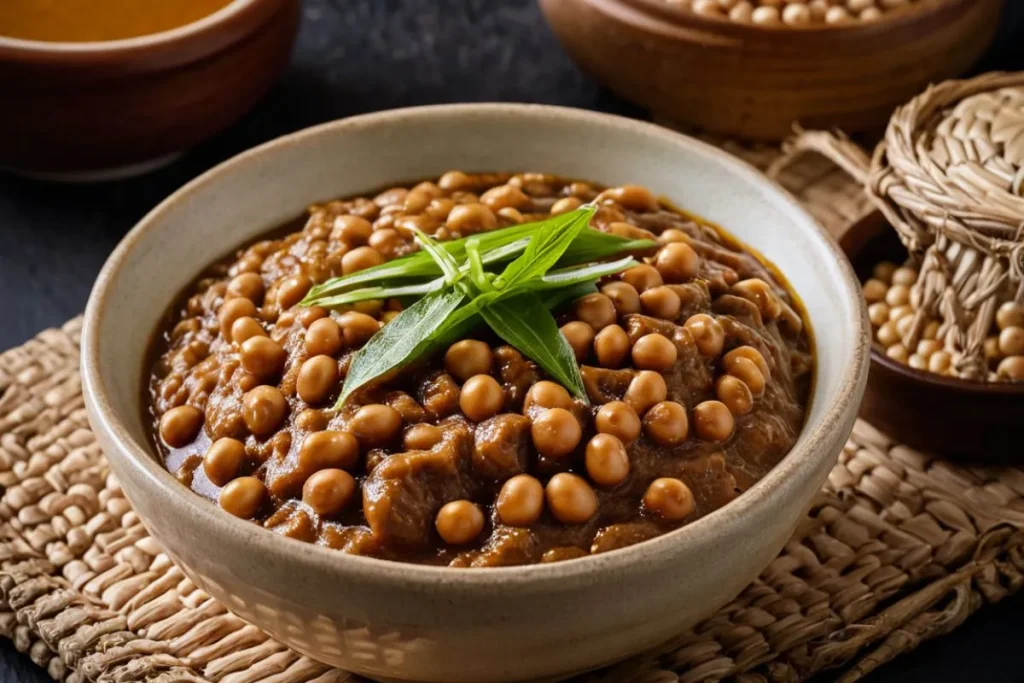
Tips for Success
Be Patient!
Fermentation is not a process that can be rushed. The natural transformation of soybeans into a rich, flavorful paste takes time. Depending on your desired taste, the fermentation can last anywhere from four weeks to six months. During this time, the flavors deepen, and the paste develops its signature umami taste. If you’re tempted to check or use it too soon, remind yourself that patience will reward you with better quality. Think of it like aging fine wine – the longer, the better!
Use Clean Equipment!
Sterilizing your equipment is essential for a successful fermentation. Start by cleaning your jar, spoon, and any other tools with hot, soapy water. Rinse them thoroughly and let them air dry. To be extra cautious, you can sanitize the jar by boiling it for 10 minutes. This step helps prevent unwanted bacteria or mold from interfering with the fermentation process. Remember, cleanliness is key to ensuring your soybean paste ferments safely and properly.
Monitor Regularly!
Fermentation is a dynamic process, so it’s important to keep an eye on it. Check the paste once a week to ensure everything is going well. Look for signs of healthy fermentation, such as a deepening color and a strong, earthy aroma. If you notice any mold forming on the surface, don’t panic! Simply scoop it off carefully without disturbing the rest of the paste. Also, ensure the paste remains fully covered to prevent exposure to air, which can cause spoilage. Regular monitoring helps you catch any issues early and keeps the fermentation process on track.
By following these tips, you’ll ensure your homemade soybean paste turns out perfect every time.
FAQs: Your Soybean Paste Questions Answered
Can you make soybean paste without a fermentation starter?
Yes, it’s absolutely possible to make soybean paste without a fermentation starter. In fact, traditional recipes often rely on natural fermentation using only soybeans, salt, and time. The salt helps create an environment where beneficial bacteria can thrive while preventing harmful microbes from growing.
However, using a fermentation starter, such as koji mold, can speed up the process. It introduces specific enzymes and microbes that help break down the soybeans faster. If you’re new to fermentation, starting without a starter can feel intimidating. But don’t worry—just ensure your workspace and tools are clean, and nature will do the rest.
How long does homemade soybean paste last?
Homemade soybean paste, when stored correctly, can last up to a year or even longer. Proper storage is key to ensuring its longevity. Keep it in an airtight container to prevent air exposure, which can lead to spoilage.
It’s best to store it in the refrigerator once fermentation is complete. The cold temperature slows down further fermentation, keeping the flavor stable. Always use a clean, dry spoon when scooping out paste to avoid contamination. If you notice an off smell, discoloration, or mold, it’s time to discard it.
What’s the difference between homemade and store-bought soybean paste?
The differences between homemade and store-bought soybean paste are significant. Homemade soybean paste is fresher and free from preservatives or artificial additives. You control the ingredients, ensuring it’s natural and tailored to your preferences.
For example, you can adjust the saltiness or fermentation time to suit your taste. Homemade paste also allows you to experiment with additional flavors, such as garlic or chili.
Store-bought versions, on the other hand, are convenient but often contain additives to extend shelf life. These can alter the flavor and nutritional value. While they’re a good option for busy days, nothing beats the authentic taste of homemade soybean paste.
Why You Should Try Making Soybean Paste at Home
Making soybean paste recipe at home offers numerous advantages. It’s healthier, free from preservatives, and allows you to customize the flavor to your liking. The process may take some time, but the reward is a fresh, flavorful paste that enhances your cooking and adds depth to any dish. Whether you’re preparing a traditional Korean stew or a quick dipping sauce, homemade soybean paste is versatile and packed with rich, umami goodness.
We encourage you to give this homemade soybean paste recipe a try! Once you experience the difference, you’ll find countless ways to incorporate it into your meals. From soups and marinades to sauces and dips, the possibilities are endless.
We’d love to hear about your experience. Share your thoughts in the comments below! Let’s inspire each other to make our kitchens healthier and tastier with homemade ingredients!