
What Is Japanese Soybean Paste? Uses, Types & Benefits
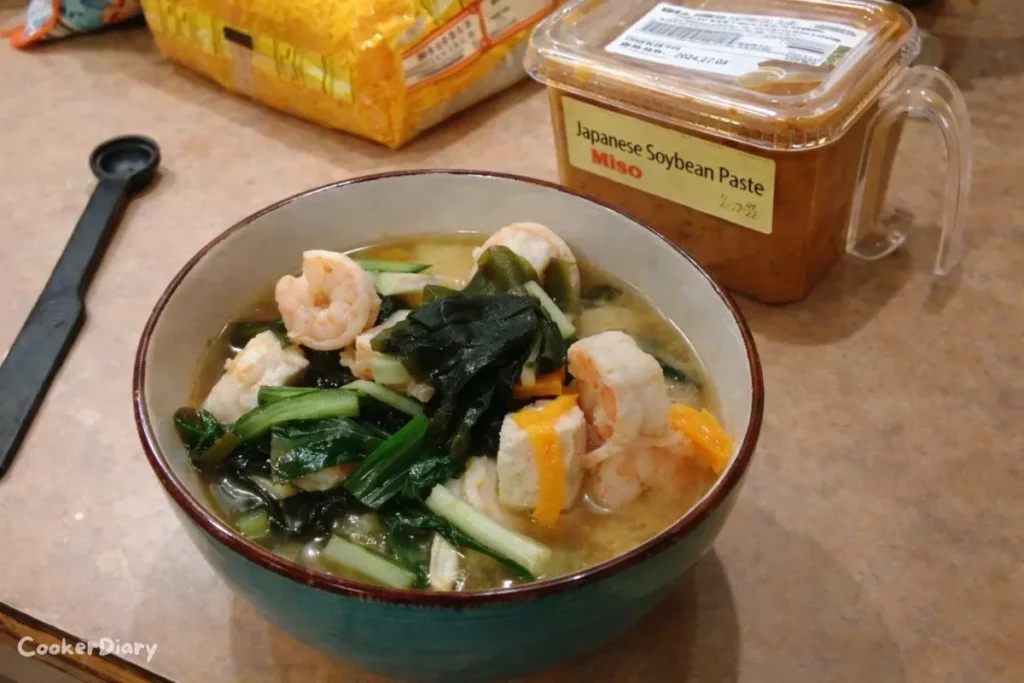
If you’ve ever enjoyed a warm bowl of miso soup or a flavorful ramen broth, you’ve tasted the magic of Japanese soybean paste. This fermented ingredient is a staple in Japanese cuisine, known for its deep umami flavor and numerous health benefits. But what exactly is Japanese soybean paste, and how can you use it in your cooking?
In this article, we’ll explore what makes this soybean paste so special, its different types, how it’s made, and why it’s so good for you. Whether you’re a home cook looking to experiment with new flavors or someone curious about the health benefits of fermented foods, this guide has got you covered. Let’s start!
Related: Homemade Soybean Paste Recipe: Healthier and Tastier!
What Is Japanese Soybean Paste?
Definition and Overview
Japanese soybean paste is a fermented paste made from soybeans, salt, and koji mold. It is primarily used as a seasoning in various Japanese dishes, adding a rich, savory taste known as umami. The fermentation process enhances its depth of flavor, making it a versatile ingredient for soups, marinades, dressings, and even desserts.
The Role of Fermentation
The unique taste of Japanese soybean paste comes from fermentation, a natural process where beneficial bacteria break down soybeans into a rich, flavorful paste. The koji mold used in fermentation not only enhances the umami taste but also makes the nutrients in soybeans more digestible.
Key Ingredients in Japanese Soybean Paste
- Soybeans – The base ingredient, providing protein and essential nutrients.
- Koji Mold (Aspergillus oryzae) – A fungus that kickstarts fermentation.
- Salt – Preserves the paste and enhances the flavor.
- Water – Used to create the right consistency.
Types of Japanese Soybean Paste
Japanese soybean paste varies in taste, texture, and use. Miso is the most common type, but there are another fermented soybean pastes worth knowing. Let’s explore the different varieties and how they enhance Japanese cuisine.
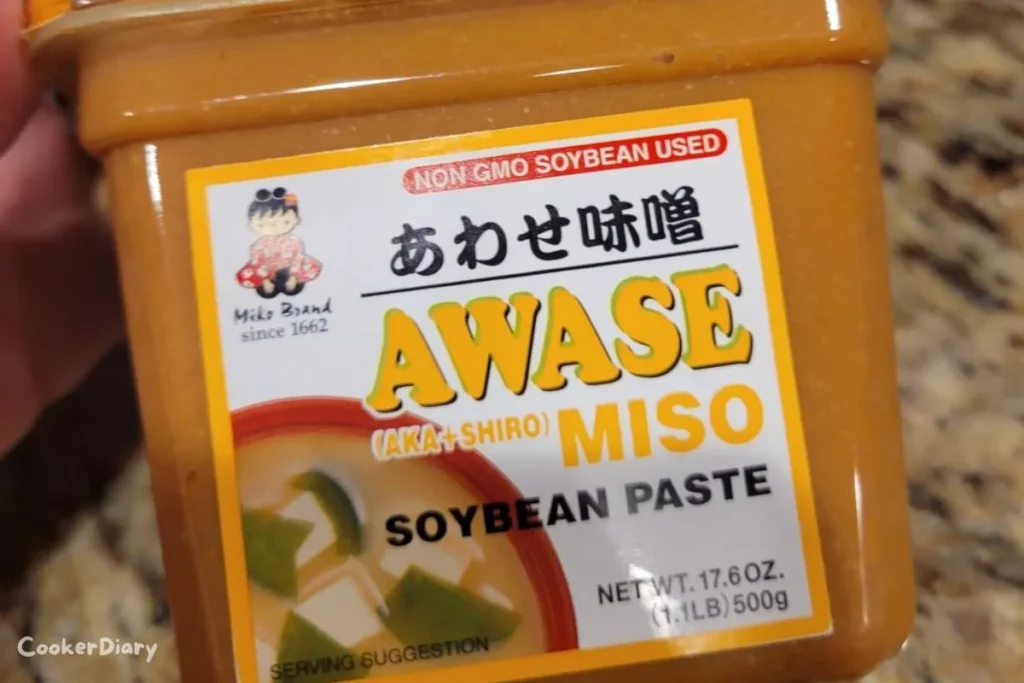
Miso (Most Common Type)
Miso is a fermented paste made from soybeans, salt, and koji (a fermentation starter). It comes in several varieties, each with unique flavors and uses.
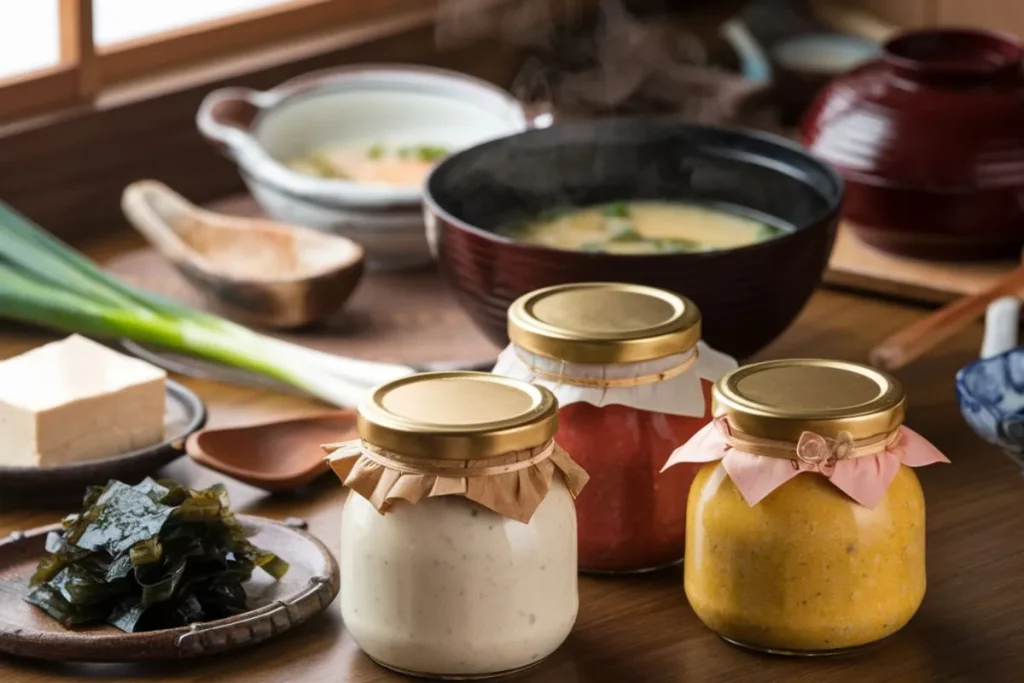
- White miso (Shiro miso): This mild and slightly sweet miso is aged for a short time. It’s ideal for soups, dressings, and light marinades. If you enjoy a delicate, umami-rich taste, white miso is perfect.
- Red miso (Aka miso): Aged longer than white miso, red miso has a bold, salty, and slightly tangy flavor. It’s excellent for hearty stews, braises, and rich miso soup.
- Yellow miso (Shinshu miso): This miso falls between white and red in taste. It has a well-balanced, slightly salty flavor that works well in a variety of dishes, from sauces to stir-fries.
Each miso type varies in saltiness and depth, so choosing the right one depends on your dish. White miso is mild, red miso is intense, and yellow miso is the middle ground.
Other Fermented Soybean Pastes
Miso isn’t the only fermented soybean product in Japan. Here are a few others with unique flavors and uses:
- Hatcho miso: Made purely from soybeans, this dark miso has a dense texture and deep umami flavor. It’s commonly used in miso soup and grilled dishes.
- Tamari: A byproduct of miso-making, tamari is a rich, thick, and gluten-free soy sauce. It has a strong umami taste and works well in dipping sauces and marinades.
- Natto: Unlike miso, natto consists of whole fermented soybeans. It has a sticky texture and strong aroma. Often eaten with rice, natto is a nutritious food packed with probiotics.
These pastes add variety to Japanese cuisine, each offering a different taste and texture.
Comparison with Other Fermented Soy Products
Japanese soybean paste stands out from other soy-based seasonings. Here’s how it compares:
- Miso vs. Soy Sauce (Shoyu): While both come from fermented soybeans, miso is a thick paste, whereas soy sauce is a liquid seasoning. Miso is often mixed into dishes, while soy sauce is used as a topping or dip.
- Miso vs. Natto: Both are fermented, but natto consists of whole beans with a sticky texture, while miso is a smooth paste. Natto has a strong, acquired taste, whereas miso is more versatile.
- Miso vs. Doubanjiang (Chinese Soybean Paste): Doubanjiang is a spicy Chinese soybean paste, whereas miso is usually milder and saltier. Doubanjiang is common in Sichuan cuisine, while miso is central to Japanese cooking.
Understanding these differences helps in choosing the right ingredient for your dish. Miso remains one of the most versatile and widely used soybean pastes in Japan.
Related: Chinese Kitchen: Essential Spices and Sauces
How to Use Japanese Soybean Paste in Cooking
Japanese soybean paste, or miso, is incredibly versatile. It enhances flavors with its deep umami taste and works well in a variety of dishes. Whether you’re making traditional Japanese meals or experimenting with new recipes, here’s how you can use it effectively.
Classic Japanese Dishes
Many traditional Japanese recipes rely on soybean paste for their signature taste:
- Miso soup – This iconic dish blends miso with dashi broth, tofu, and seaweed. It’s simple yet packed with umami.
- Ramen broth – Miso-based ramen broth adds a rich, savory depth to noodle soups. It pairs well with pork, chicken, or even plant-based proteins.
- Marinades & sauces – Miso is often mixed with soy sauce, mirin, and ginger to marinate fish, meats, and vegetables. It creates a deep, slightly sweet, and salty glaze.
- Nabe (hot pot) – A comforting Japanese dish where miso enhances the broth, making it heartier and more flavorful.
Incorporating Miso into Everyday Meals
You don’t need to cook strictly Japanese dishes to enjoy miso. It can add an umami punch to many everyday recipes:
- Miso dressing – Whisk miso with rice vinegar, sesame oil, and honey for a tangy, slightly sweet dressing. It works well on salads, grain bowls, or cold noodle dishes.
- Miso-glazed vegetables – Mix miso with maple syrup and soy sauce, then brush it onto roasted carrots, eggplants, or sweet potatoes for a flavorful glaze.
- Umami boost for soups & stews – Stir a spoonful of miso into vegetable, chicken, or beef broth to deepen the flavor without adding extra salt. Always add miso at the end of cooking to preserve its nutrients and taste.
- Miso butter – Blend miso with softened butter and spread it on toast, corn on the cob, or grilled meats for a savory twist.
- Miso mashed potatoes – Stir miso into mashed potatoes instead of salt for a creamy, umami-rich side dish.
Storage and Shelf Life
Proper storage ensures your miso stays fresh and flavorful:
- Refrigeration is key – Keep miso in an airtight container in the fridge. This prevents it from drying out and preserves its fermentation.
- Unopened miso lasts up to a year – It has a long shelf life due to its salt content and fermentation process.
- Use opened miso within 6 months – For the best flavor, use it within half a year after opening. The taste may mellow over time, but it’s still safe to eat.
By incorporating Japanese soybean paste into your cooking, you can enjoy its unique umami depth in countless ways. Whether you’re sticking to traditional Japanese dishes or experimenting with fusion flavors, miso is a pantry staple worth having!
Health Benefits of Japanese Soybean Paste
Japanese soybean paste isn’t just about flavor. It also offers impressive health benefits. From supporting digestion to boosting immunity, this fermented ingredient is a powerhouse of nutrition.
Japanese Soybean Paste: Rich in Probiotics and Gut Health
Fermentation makes miso a natural source of probiotics, the beneficial bacteria that promote gut health. These probiotics, such as Lactobacillus and Bifidobacterium, help balance gut flora, improving digestion and nutrient absorption.
A healthy gut contributes to overall well-being. It supports better metabolism, stronger immunity, and even mental clarity. Studies show that fermented foods like miso may reduce symptoms of irritable bowel syndrome (IBS) and prevent digestive disorders.
To maximize probiotic benefits, avoid overheating miso. Instead of boiling, stir it into warm dishes at the end of cooking. This preserves the live cultures, ensuring you get the full gut-friendly effects.
Japanese Soybean Paste: High in Nutrients and Antioxidants
Japanese soybean paste is nutrient-dense, meaning you get a lot of vitamins and minerals in a small amount. It contains:
- Vitamin B12 – Essential for brain function and red blood cell production.
- Vitamin K – Supports bone health and blood clotting.
- Zinc & Manganese – Strengthen the immune system and aid metabolism.
Miso also contains antioxidants, which help fight oxidative stress. These compounds reduce inflammation, lowering the risk of chronic diseases like heart disease and arthritis. Regular consumption may even slow down aging by protecting cells from damage.
Japanese Soybean Paste: Low in Calories but High in Flavor
Despite its rich taste, miso is low in calories. A tablespoon contains around 35 calories, making it an excellent choice for flavoring dishes without excess fat or sugar.
Because it’s naturally savory and slightly salty, you can use less salt when cooking. This makes it a smart ingredient for those watching their sodium intake.
Miso can enhance meals without adding unhealthy fats. Use it in dressings, marinades, or soups for an instant umami boost. Small amounts go a long way in transforming simple dishes into deeply flavorful meals.
Related: Easy Seeded Miso Sweet Potato Bread Recipe
Where to Buy and How to Choose Quality Japanese Soybean Paste

Finding Authentic Miso in Stores and Online
Buying high-quality miso ensures better taste and health benefits. You can find authentic Japanese soybean paste in Asian grocery stores, health food shops, and online marketplaces like Amazon and specialty food websites.
When shopping, check the ingredient list. The best miso contains just soybeans, rice or barley, salt, and koji mold—with no artificial preservatives or MSG. Look for organic, non-GMO, and naturally fermented options.
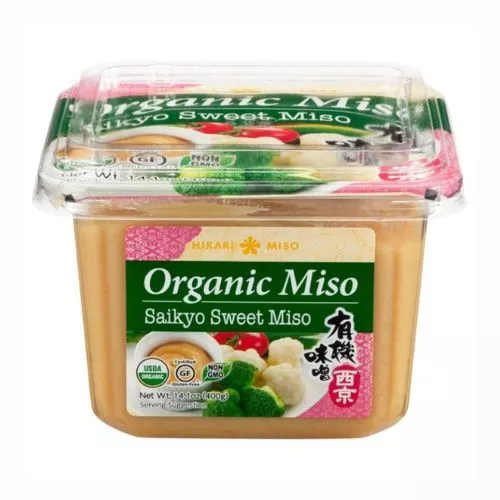
Elevate your cooking with Hikari Organic Saikyo Sweet Miso Paste (14.1 oz)—authentic Japanese flavor, naturally fermented, and perfectly balanced with gentle sweetness. Add depth to marinades, soups, glazes, and dressings. Upgrade your pantry and taste the difference today.
Choosing the Right Type for Your Needs
Miso comes in different varieties, each with a unique flavor and use. Choosing the right one depends on your dish and personal preference.
- White Miso (Shiro Miso) – Mild and slightly sweet. It’s perfect for beginners, miso soup, dressings, and marinades.
- Red Miso (Aka Miso) – Aged longer for a stronger, deeper umami flavor. Best for hearty stews, ramen, and grilled meats.
- Yellow Miso (Shinshu Miso) – A balanced, versatile miso. Great for everyday cooking, from soups to stir-fries.
If you’re unsure, start with white miso, then experiment with red or yellow for bolder flavors.
Making Homemade Miso (Optional)
Want a DIY approach? Making miso at home is rewarding but requires patience.
- Prepare the Soybeans – Soak dried soybeans overnight, then cook until soft.
- Mix with Koji and Salt – Mash the soybeans, then blend with koji mold and sea salt.
- Pack and Ferment – Store the mixture in an airtight container, press down to remove air, and let it ferment for six months to a year.
Homemade miso develops deeper flavors over time. The longer it ferments, the richer and more complex it becomes.