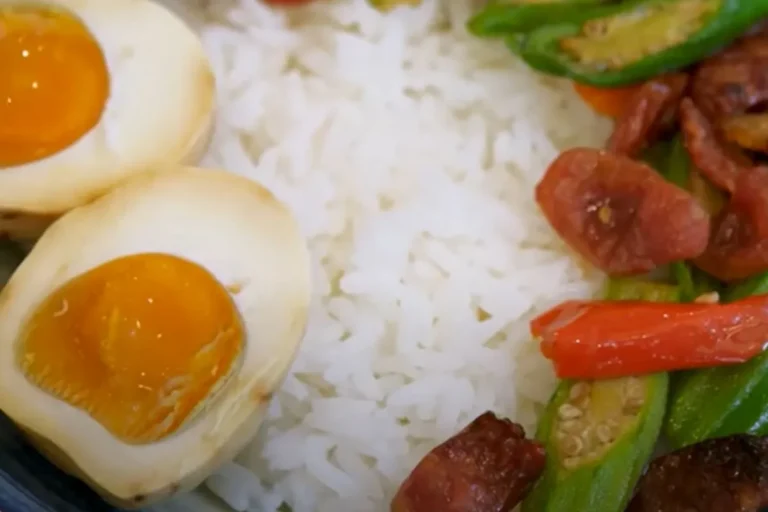
Chinese Kitchen: Essential Spices and Sauces
Building a well-stocked Chinese kitchen pantry is the first step toward creating authentic and flavorful dishes at home. The vibrant world of Chinese cuisine relies heavily on the harmonious interplay of spices and sauces. With the right ingredients, you can replicate restaurant-quality meals or explore lesser-known regional delicacies from your kitchen. In this guide, we’ll explore the must-have spices, sauces, and other essentials that will turn your pantry into a Chinese culinary haven.
Related: Kitchen Fires: Top Causes and How to Avoid Them
Essential Spices for a Chinese Kitchen
Chinese spices are the backbone of its diverse dishes, adding warmth, depth, and complexity to the Chinese kitchen. Here are the key players:
Chinese Five-Spice Powder
Chinese five-spice powder is a key ingredient in the Chinese kitchen, offering a balance of sweet, spicy, savory, and slightly bitter flavors. This blend includes star anise, cloves, cinnamon, Sichuan peppercorns, and fennel seeds. Each spice adds a unique depth. Together, they create a bold, aromatic mix.
- Star Anise: Adds a sweet, licorice-like flavor, perfect for braised meats and soups.
- Cloves: Contributes warmth and a spicy kick, ideal for marinades and rich dishes.
- Cinnamon: Provides subtle sweetness, balancing the stronger spices.
- Sichuan Peppercorns: Creates a numbing, tingling effect, enhancing spice depth.
- Fennel Seeds: Brings mild sweetness, complementing the overall blend.
This versatile spice mix is used in marinades, rubs, and sauces for meats like pork, duck, and chicken. It enhances stews, stir-fries, and even baked goods.
For example, when marinating slow-cooked pork belly, five-spice powder infused the meat with warmth, sweetness, and a subtle numbing sensation, creating a perfectly balanced dish.
Beyond traditional recipes, try using five-spice powder to season roasted vegetables, stir-fried rice, or even fruit for a bold twist. It’s an essential ingredient for adding authentic Chinese flavors to any meal.
Sichuan Peppercorns in Chinese Kitchen
Sichuan peppercorns are not your average spice. They stand out for their distinct numbing sensation, often described as a “tingly” feeling on the tongue. This unique trait sets them apart from regular black or white pepper. They are a cornerstone of Sichuan cuisine, contributing to its famous “mala” flavor—a bold combination of spiciness and numbing heat.
How Sichuan Peppercorns Enhance Chinese Kitchen?
When used in cooking, Sichuan peppercorns do more than just add flavor. They awaken your taste buds, enhancing other spices and ingredients. In dishes like mapo tofu, they pair with chili bean paste to create a rich, complex profile. Their numbing effect also balances out the heat of chili peppers, ensuring the dish is bold but not overwhelming.
Practical Tips for Using Sichuan Peppercorns in Chinese Kitchen:
- Toast Before Grinding
Toasting Sichuan peppercorns briefly in a dry pan releases their oils and intensifies their aroma. Grind them into a powder for easy use in marinades or spice blends. - Use Sparingly
A little goes a long way. Begin with a little and tweak as needed. Overuse can overpower a dish. - Enhance Stir-Fries
Add a pinch of ground peppercorns to stir-fries for a subtle tingling finish. It pairs exceptionally well with garlic and ginger. - Flavor Oils
Infuse cooking oil with Sichuan peppercorns for an aromatic base. Simply heat the peppercorns in oil until fragrant, then strain them out.
Did you know Sichuan peppercorns aren’t true pepper? They come from the prickly ash tree, making them botanically unique.
Incorporating Sichuan peppercorns into your pantry will open doors to bold and authentic Chinese kitchen flavors. Whether you’re making mapo tofu, kung pao chicken, or a simple stir-fry, these peppercorns will take your cooking to the next level.
Ground White Pepper in Chinese Kitchen
Ground white pepper is a subtle yet essential spice in the Chinese kitchen. Unlike its bold counterpart, black pepper, it offers a milder and smoother flavor. Its earthy undertones make it versatile and well-suited for various dishes.
One of the reasons white peppers stands out is its ability to blend seamlessly into recipes. It adds depth without overpowering other ingredients. For instance, in hot and sour soup, white pepper contributes to the warming, slightly tangy heat that defines the dish.
White pepper is also a common choice for light broths. It enhances the natural flavors of chicken or pork without adding a strong peppery kick. When preparing congee (rice porridge), a dash of white pepper can elevate its simple, comforting taste.
Additionally, white pepper works wonderfully in marinades. Its mild spice penetrates meats, giving a subtle, earthy heat that complements dishes like stir-fried chicken or steamed fish. For example, marinating chicken with soy sauce, white pepper, and sesame oil creates a balanced flavor profile perfect for quick stir-frying.
Unlike black pepper, white pepper is often chosen for its color. It keeps light-colored dishes looking clean and elegant, such as white sauces or clear soups. This is particularly useful in Chinese cuisine, where presentation is key.
When using ground white pepper, start with a small amount. Its flavor is more concentrated than black pepper, so a little goes a long way. Store it in an airtight container to preserve its aroma and potency over time.
Whether you’re enhancing a delicate broth or adding a touch of warmth to a marinade, ground white pepper is a spice every Chinese kitchen should have.
Star Anise and Cloves in Chinese Kitchen
Star anise and cloves are aromatic spices that play a significant role in the Chinese kitchen. Both have distinct flavors that enhance savory dishes, making them indispensable for creating authentic recipes. While they are often used together, each brings unique qualities to the table.
Star Anise: The Licorice-Like Wonder
Star anise is a star-shaped spice with a sweet, licorice-like aroma. It adds depth and a slightly sweet note to dishes. This spice is especially popular in slow-cooked recipes. For instance, it shines in Chinese braised pork belly (hong shao rou). The subtle sweetness balances the savory richness of the dish.
Star anise is also a key ingredient in Chinese Five-Spice Powder. This blend is used to flavor meats, broths, and marinades. Beyond savory dishes, star anise works well in spiced teas and desserts, making it versatile. For example, adding a piece to a pot of chai tea or poached pears elevates the flavor profile.
Cloves: Warm and Spicy
Cloves have a warm, slightly sweet spiciness with a bold aroma. They add depth to braised dishes, soups, and even rice. In Chinese cooking, cloves are often paired with soy sauce and sugar to create a balance of flavors.
One classic example is using cloves in braised duck or beef brisket. The spice enhances the meat’s richness, creating a warming, comforting dish perfect for cooler months. Cloves can also enhance the flavor of stir-fried rice when used sparingly.
How They Work Together in the Chinese Kitchen?
When used together, star anise and cloves create a harmony of flavors. The licorice sweetness of star anise balances the warm spiciness of cloves. This duo is frequently used in red-braising, a technique involving soy sauce, sugar, and spices. Dishes like red-cooked pork or chicken become deeply aromatic with these spices.
I recall my first attempt at making red-braised beef. I used just a few star anise pods and a couple of cloves. The result was astonishing! The spices added complexity and warmth, making the dish unforgettable.
Pro Tip: Cooking with Star Anise and Cloves
When cooking with these spices, moderation is key. Their flavors are strong, so start with a small amount. For instance, one- or two-star anise pods and a few cloves are often enough for a dish serving four. Add them early in the cooking process to allow the flavors to infuse slowly. Remove them before serving to avoid overwhelming the palate.
Must-Have Sauces for Authentic Chinese kitchen

Related: How to Get Rid of Ants in Kitchen Fast
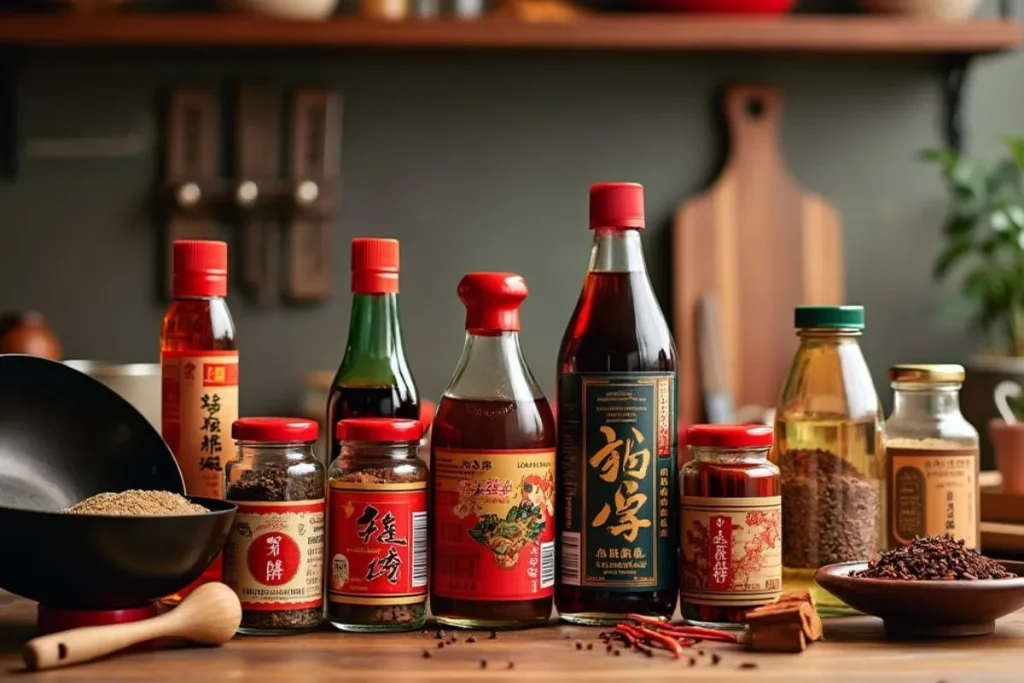
Chinese sauces are the heart of many dishes. They bring balance to flavors—salty, sweet, savory, and umami. Each sauce has a unique role, enhancing the depth and complexity of Chinese cuisine. Here are the must-have sauces every Chinese kitchen should stock.
Soy Sauce: The Foundation of Chinese Cuisine
Soy sauce is essential in Chinese kitchen. It comes in two main types: light soy sauce and dark soy sauce.
- Light Soy Sauce: This variety is saltier and thinner. It is used for seasoning, stir-frying, and dipping. A dash of light soy sauce can instantly enhance the flavor of fried rice or dumpling fillings.
- Dark Soy Sauce: This sauce is thicker, less salty, and has a slight sweetness. It adds deep color and richness to dishes. I often use it in red-braised pork for a beautiful, caramelized finish.
For optimal flavor, go with naturally brewed soy sauce. It has a richer taste than chemically processed versions.
Hoisin Sauce: Sweet, Savory, and Versatile
Hoisin sauce is thick, dark, and packed with sweet and umami flavors. It is made from fermented soybeans, garlic, vinegar, and various spices.
- It is a key ingredient in Peking duck, giving the dish its signature sweet-savory glaze.
- It pairs well with grilled meats, especially barbecue pork (char siu).
- A spoonful can elevate stir-fried noodles or vegetable stir-fries.
- It works as a dipping sauce for spring rolls, dumplings, and lettuce wraps.
If you love rich, slightly sweet sauces, hoisin is a must-have in your pantry.
Oyster Sauce: The Umami Chinese Kitchen Powerhouse
Oyster sauce is a thick, glossy sauce made from oyster extract, soy sauce, and sugar. It has a deep umami flavor that enhances both meat and vegetable dishes.
- It is perfect for stir-fried greens like bok choy and Chinese broccoli. A simple drizzle transforms the dish into a restaurant-quality side.
- It works well as a marinade for meats, especially beef and chicken. The natural sweetness balances the saltiness.
- It is a great base for sauces, adding depth to noodle and rice dishes.
For vegetarians, mushroom-based oyster sauce is a fantastic alternative. It delivers the same umami punch without seafood.
Chili Bean Paste (Doubanjiang): The Soul of Sichuan Kitchen
Doubanjiang, also known as spicy fermented bean paste, is a staple in Sichuan cooking. It is made from broad beans, soybeans, chili peppers, and salt.
- It gives mapo tofu its signature spicy and savory kick.
- It is a key ingredient in Sichuan hot pot, adding bold heat to the broth.
- A small amount in stir-fries can bring a rich, smoky depth to meats and vegetables.
Authentic Sichuan cuisine is incomplete without doubanjiang. The longer it ferments, the deeper and more complex its flavor becomes.
Other Essential Sauces to Consider in the Chinese Kitchen
While the above sauces are the most commonly used, here are a few more that add variety to Chinese dishes:
Sesame Paste: Used in cold noodle dishes and dipping sauces.
Black Vinegar: Adds tanginess to dumpling sauces and braised dishes.
Shaoxing Wine: A cooking wine that enhances marinades and stir-fries.
Lesser-Known Pantry Staples to Elevate Your Chinese Kitchen
Related: Black Kitchen Cabinets Stylish Ideas for the Modern Home
A well-stocked Chinese kitchen goes beyond soy sauce and five-spice powder. Some lesser-known ingredients can transform your dishes, adding complexity and depth. These hidden gems bring balance, umami, and authenticity to home-cooked Chinese meals. Let’s explore them in more detail.
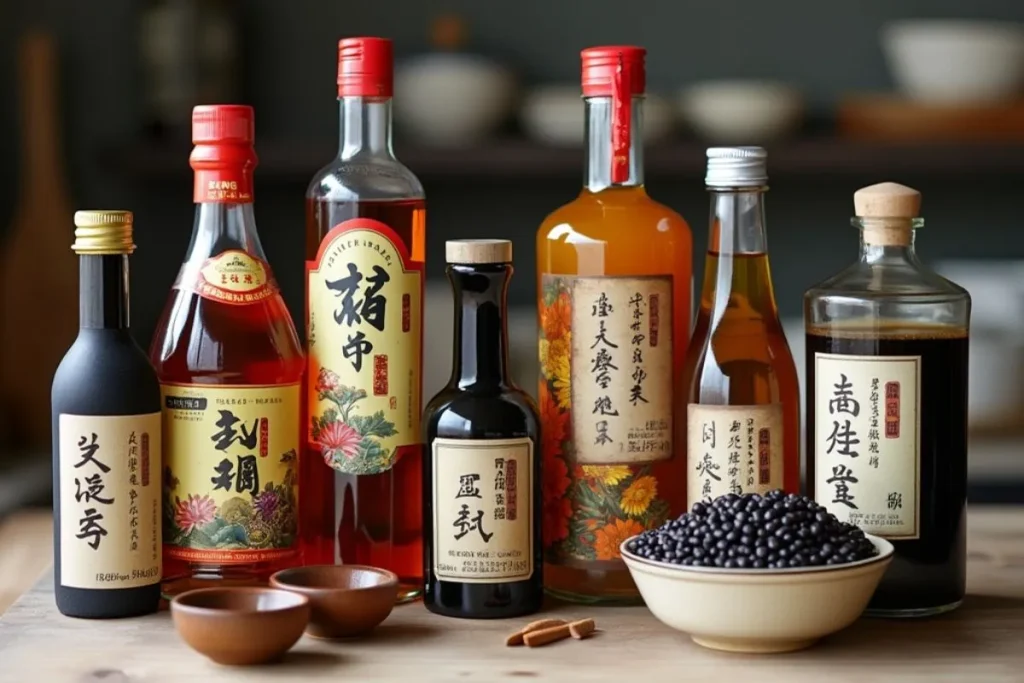
Shaoxing Wine: The Secret to Aromatic Dishes
Shaoxing wine is a classic Chinese cooking wine crafted from fermented rice. It has a deep, slightly sweet flavor with hints of caramel and nuttiness. This versatile ingredient enhances stir-fries, soups, and braised dishes.
A splash of Shaoxing wine can make all the difference in marinades. For instance, when marinating chicken or shrimp, mix it with soy sauce, ginger, and garlic. This combination tenderizes the meat while adding a complex depth of flavor.
Shaoxing wine is also essential in classic Chinese dishes like Drunken Chicken and Red-Braised Pork. If you want to achieve that signature restaurant-style taste, keep a bottle in your pantry.
Fermented Black Beans: Bold, Salty, and Full of Umami
Fermented black beans, also known as Douchi, are small, salted soybeans packed with umami. They have a bold, earthy taste with a slightly bitter undertone. When combined with garlic and chili, they create an intense, savory flavor base.
These beans shine in dishes like Black Bean Chicken and Steamed Fish with Black Bean Sauce. To use them, rinse off excess salt, then mash or chop them before adding them to stir-fries or sauces.
For a quick and flavorful dish, try stir-frying green beans with minced garlic, fermented black beans, and a dash of soy sauce. The result is a savory, aromatic side dish that pairs well with rice.
Chinese Vinegars: The Perfect Balance of Sweet and Tangy
Chinese cuisine relies on different types of vinegar to balance flavors. The two most common varieties are black vinegar and rice vinegar.
- Black Vinegar has a deep, malty flavor with a slight smokiness. It’s often used in dipping sauces, braised dishes, and noodle bowls. A drizzle of black vinegar enhances dumpling sauces, giving them a rich, tangy depth.
- Rice Vinegar is lighter and slightly sweet. It’s perfect for dressings, marinades, and sweet-and-sour dishes. If you love making homemade sweet-and-sour chicken, rice vinegar is a must-have.
Both vinegars add acidity, helping to cut through the richness of meats and oils. Try using black vinegar in a classic Hot and Sour Soup or adding rice vinegar to a simple cucumber salad for a refreshing side dish.
Sesame Oil: A Finishing Touch for Flavor in the Chinese Kitchen
Toasted sesame oil is one of the most fragrant oils in Chinese cooking. It has a deep, nutty aroma that enhances dishes without overpowering them. Unlike other cooking oils, sesame oil is typically used as a finishing touch rather than a cooking base.
A drizzle of sesame oil can elevate:
- Stir-fries, adding richness and aroma
- Cold noodle salads, enhancing texture and depth
- Soups, bringing a warm, nutty undertone
For example, a bowl of Scallion Noodles becomes irresistible with a simple mix of soy sauce, garlic, and a splash of sesame oil. Likewise, a few drops in a hot bowl of wonton soup make the flavors pop. irresistible.
How to Organize and Store Your Chinese Pantry
Related: Blue Kitchen Cabinets: The Trending Design Choice in 2025
A well-organized pantry makes cooking easier and keeps ingredients fresh. Proper storage prevents spoilage and ensures spices and sauces retain their rich flavors. Here’s how to store your essentials efficiently.
Optimal Storage for Spices
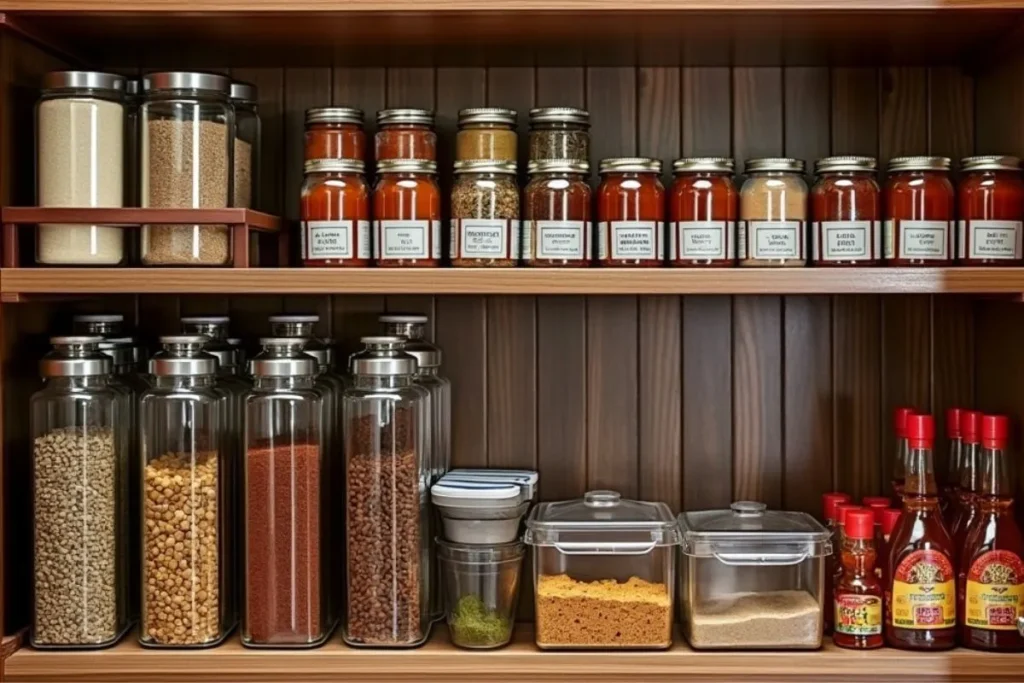
Spices lose their potency over time if not stored correctly. Keep them in airtight containers to protect them from moisture and air. Glass jars with tight lids work best, but metal or plastic containers with seals are also good options.
Store your spices in a cool, dark place, away from direct sunlight and heat. Exposure to light and warmth can weaken their flavor. A spice rack inside a cabinet or a drawer is ideal. For example, I keep my Sichuan peppercorns in a glass jar inside a dark cabinet. This helps them stay fresh and fragrant for months.
Label your spice containers for easy identification. If you buy in bulk, transfer smaller amounts into daily-use jars and store the rest in a cool, dry place.
Proper Care for Sauces
Sauces are the heart of Chinese cooking, so keeping them fresh is crucial. Once opened, sauces like hoisin, oyster, and chili paste should go in the refrigerator. Cold storage preserves their taste and prevents spoilage.
Soy sauce, black vinegar, and Shaoxing wine can stay at room temperature. However, they must be tightly sealed after each use. Store them in a cool, dry spot, away from direct sunlight. For convenience, place the most-used bottles within easy reach of your cooking area.
If your sauce bottles tend to get sticky, wipe them clean after each use. A quick rinse with warm water helps prevent crusting around the lids.
Shelf Essentials for Easy Access
A well-arranged pantry saves time when cooking. Dedicate a section specifically for your Chinese ingredients. Group similar items together—spices in one area, sauces in another, and dried goods like noodles and mushrooms in a separate section.
Use clear storage bins to keep small packets organized. Stackable shelves or tiered racks can help maximize space. Consider a lazy Susan for sauces, making it easy to grab what you need.
Label everything clearly. Write expiration dates on packages or use a marker to track when you opened a sauce. Rotate items regularly, placing older ones in front to use them first. This helps prevent waste and ensures your ingredients stay fresh.
With an organized pantry, you’ll always be ready to whip up delicious Chinese dishes without searching for ingredients.
Cooking Techniques to Maximize the Use of Spices and Sauces

Related: Tea Eggs Recipe: Traditional Chinese Street Food at Home
Mastering Chinese cooking techniques helps you bring out the best flavors from spices and sauces. Here’s how to use them effectively in different methods.
1. Stir-Frying: Quick, Flavorful, and Versatile
Stir-frying is a fast and high-heat cooking method that preserves the freshness of ingredients. It also helps spices and sauces coat the food evenly.
- How to do it: Heat a wok until it’s smoking hot. Add a small amount of oil, followed by aromatics like garlic, ginger, or scallions. Toss in your vegetables or protein. Stir continuously to prevent burning.
- Best spices and sauces to use: Light soy sauce, dark soy sauce, oyster sauce, white pepper, and Sichuan peppercorns.
- Pro tip: Add sauces at the end to maintain their rich flavor. A quick drizzle of sesame oil enhances the aroma.
For example, when making beef and broccoli stir-fry, a combination of oyster sauce, soy sauce, and Shaoxing wine creates a savory umami taste.
2. Steaming: Light, Healthy, and Flavorful
Steaming preserves nutrients while allowing sauces and spices to enhance the dish’s natural flavors.
- How to do it: Place your ingredients in a steamer basket or plate. Cover and let steam gently over boiling water.
- Best spices and sauces to use: Black vinegar, soy sauce, chili oil, and ginger.
- Pro tip: Serve steamed dishes with a dipping sauce. A mixture of soy sauce, black vinegar, and chili oil adds a perfect balance of saltiness, tanginess, and heat.
Steamed dumplings, fish, and buns all benefit from this method. A simple soy-ginger sauce can elevate plain steamed fish into a gourmet dish.
3. Braising: Deep, Rich, and Aromatic
Braising involves slow-cooking ingredients in a flavorful sauce, allowing spices to infuse into the dish.
- How to do it: Sear the protein first to lock in juices. Then, add liquid (broth, soy sauce, or Shaoxing wine) and spices like star anise and cloves. Let simmer on low heat.
- Best spices and sauces to use: Dark soy sauce, Shaoxing wine, five-spice powder, and star anise.
- Pro tip: The longer the braise, the richer the flavor. Cooking for at least an hour allows the sauce to penetrate the meat fully.
Red-cooked pork belly is a classic example. The combination of soy sauce, five-spice powder, and Shaoxing wine results in melt-in-your-mouth meat with a caramelized glaze.
4. Marinating: Enhancing Flavor Before Cooking
Marinating helps proteins absorb spices and sauces before cooking, making the final dish more flavorful and tender.
- How to do it: Combine soy sauce, Shaoxing wine, and sesame oil with your choice of spices. Coat the protein evenly and let it sit for at least 30 minutes.
- Best spices and sauces to use: Soy sauce, oyster sauce, sesame oil, Sichuan peppercorns, and five-spice powder.
- Pro tip: For the best results, marinate overnight. This allows the flavors to penetrate deeply.
For example, marinating chicken in soy sauce, five-spice powder, and Shaoxing wine before roasting gives it an authentic Chinese taste with a crispy, golden skin.
Chinese Kitchen: Elevate Your Cooking with Essential Spices and Sauces
A well-stocked Chinese kitchen is the foundation of authentic and flavorful dishes. The right spices and sauces transform simple ingredients into bold, aromatic meals. From the rich depth of soy sauce to the tingling heat of Sichuan peppercorns, each ingredient plays a crucial role.
Start small—experiment with a few essentials like five-spice powder, oyster sauce, and Shaoxing wine. As you grow more confident, expand your pantry and explore new flavors.
What is your must-have Chinese ingredient? Share your favorites or your go-to recipes in the comments below!