How to Get Rid of Ants in Kitchen Fast
Dealing with ants in the kitchen can be an incredibly frustrating experience. These persistent pests can infiltrate your cooking space, causing a mess and potentially contaminating food. But don’t worry—learning how to get rid of ants in the kitchen is easier than you think! By implementing the right techniques, you can swiftly remove ants and ensure your kitchen stays free from these persistent pests. Whether you’re facing an occasional intrusion or a full-blown infestation, this guide will provide you with practical tips, natural remedies, and simple solutions to help you regain control of your space quickly. We’ll explore a variety of methods, from cleaning and sealing entry points to using both natural and commercial products, ensuring you have all the tools you need to handle an ant problem swiftly and efficiently.
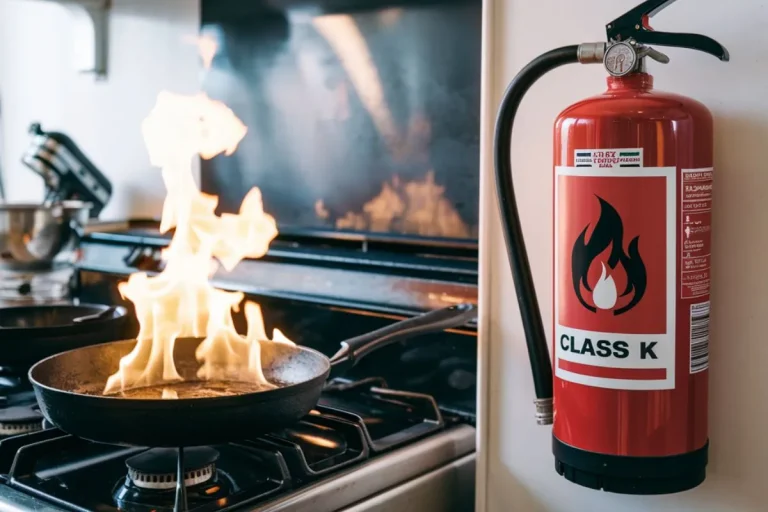
Related: Kitchen Fires: Top Causes and How to Avoid Them
Common Types of Ants Found in Kitchens
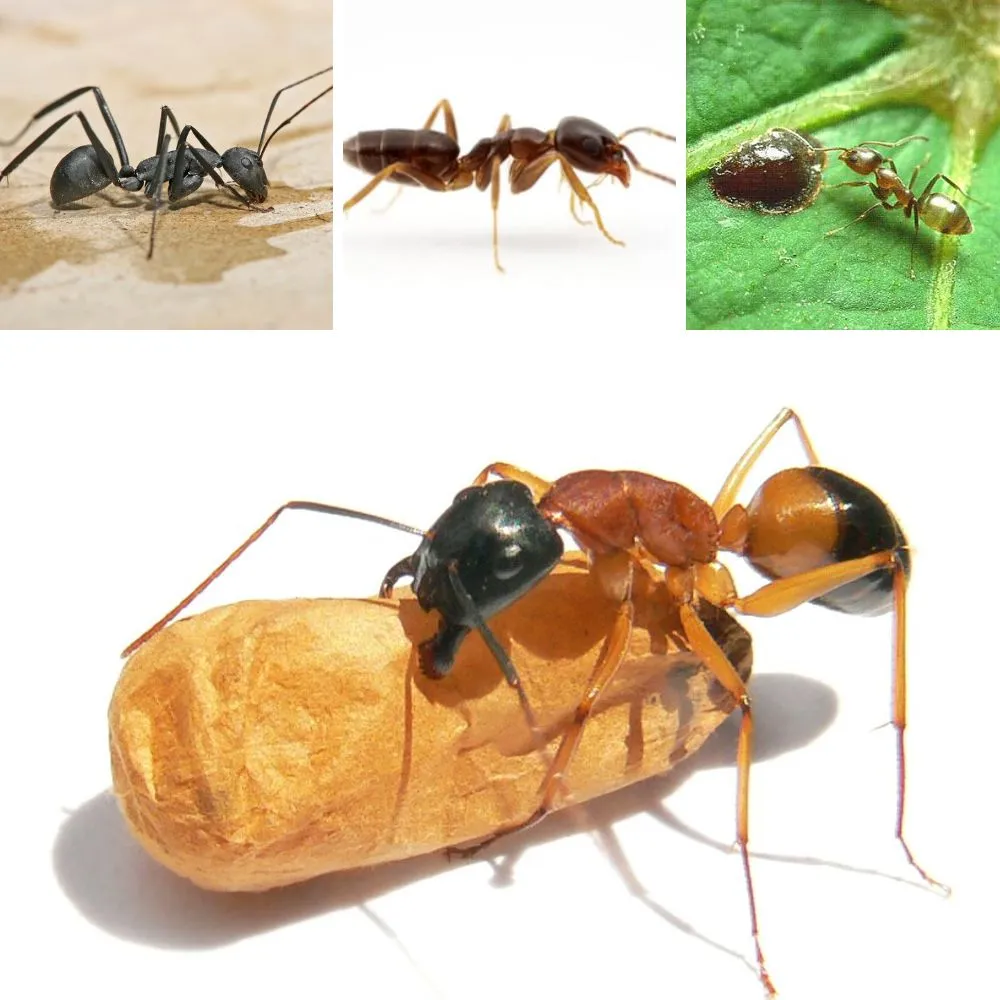
To effectively learning how to get rid of ants in your kitchen, you first need to identify the species you’re dealing with. Different types of ants have specific habits and preferences, so knowing the type will help you take the most effective approach. Below are some of the most common ant species you may find in your kitchen:
1. Sugar Ants (also known as Thief Ants or Pavement Ants)
Sugar ants are attracted to sugary substances like spilled soda, honey, or fruit. These small, light-brown ants often form lines marching toward sweet food sources. You’ll typically find them clustered around sugary foods, and they may also be drawn to greasy items, making kitchens prime real estate for them.
2. Carpenter Ants
Carpenter ants are larger than sugar ants and come in black, red, or a mix of both colors. Unlike other ants, they’re not interested in food but focus on tunneling through wood to build their nests. If you spot ants around wooden surfaces or find sawdust-like piles near cracks or wood structures, you’re likely dealing with carpenter ants, which can damage your home’s structure over time.
3. Odorous House Ants
Odorous house ants are known for the distinctive smell they release when crushed, which resembles rotting coconuts. These ants are usually dark brown or black and are often found foraging in kitchens for food scraps, sugary substances, and grease. They form large colonies, making their presence more noticeable in your kitchen.
4. Argentine Ants
Argentine ants are small, light brown to dark brown ants known for being aggressive. They often form super-colonies, which can be challenging to control. These ants are attracted to both sweet foods and proteins like meat. If you have a persistent ant problem, there’s a good chance you’re dealing with Argentine ants.
5. Pharaoh Ants
Pharaoh ants are tiny, light yellow to reddish-brown ants that tend to invade both homes and commercial kitchens. They’re attracted to fats, oils, and protein-rich foods. Pharaoh ants can be particularly challenging to eliminate because they form large colonies and, when disturbed, tend to fragment into multiple smaller colonies, making it harder to eradicate them completely.
How to Get Rid of Ants in Kitchen Fast
Equipment Needed
To combat ants, you’ll need basic items like:
Step-by-Step Guide: How to Get Rid of Ants in Kitchen Fast
1. Locate the Source
Find the ant trails leading to their colony or entry points. Common areas include cracks, windows, or under sinks.
2. Clean the Kitchen Thoroughly
- Sweep up crumbs and spills immediately.
- Wipe counters and surfaces with a vinegar-water solution (1:1 ratio) to eliminate scent trails.
3. Seal Entry Points
Inspect and seal gaps around windows, doors, and plumbing with caulk or weatherstripping.
4. Use Natural Remedies
- Vinegar Spray: Mix equal parts of vinegar and water. Spray along ant trails and entry points.
- Lemon Juice: Apply to windowsills and door frames to repel ants.
- Cinnamon: Sprinkle near entry points to disrupt their scent trail.
5. Try DIY Baits
Create a homemade bait by mixing sugar with borax. Place small amounts near ant trails. The bait attracts ants, which carry it back to their colony.
6. Commercial Solutions
Use ant traps or gels designed to attract and kill ants. Follow instructions carefully to ensure effectiveness.
7. Focus on Specific Areas
- Kitchen Sink: Ensure no standing water is left, as ants are drawn to moisture.
- Counters and Cabinets: Wipe down regularly to remove food residue.
- Pantry: Store food in airtight containers and declutter shelves.
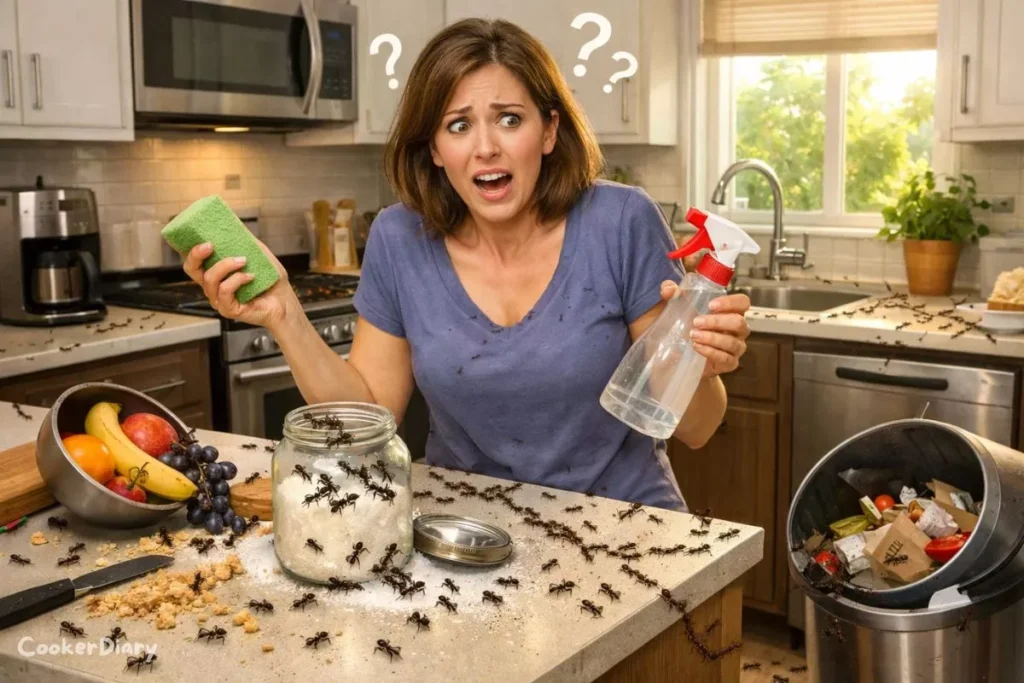
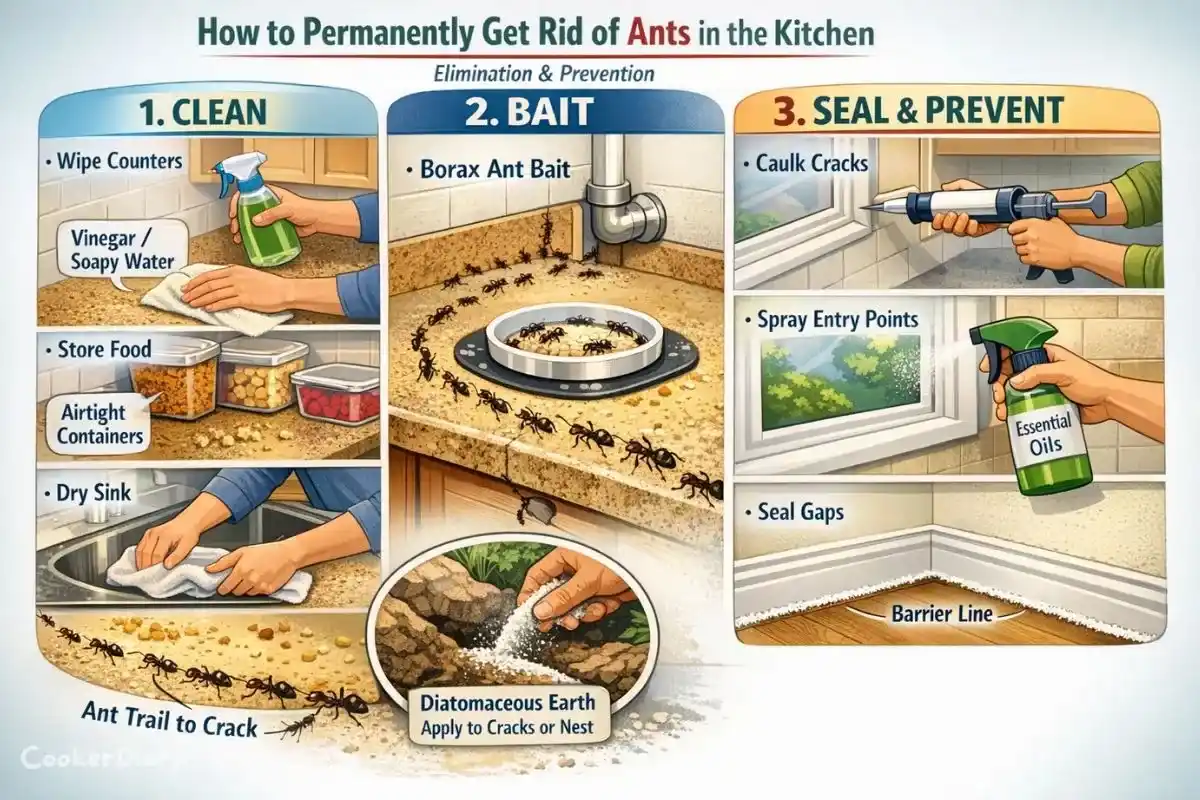
How do I permanently get rid of ants in my kitchen?
Permanence requires a two-pronged attack: elimination and prevention.
1: Immediate Action (Clean & Cut Off Resources)
- Find the trail. Don’t just kill the visible ants; follow them to their entry point (a tiny crack, gap around a pipe, etc.).
- Deep clean. Wipe all surfaces with vinegar or soapy water to erase scent trails. Seal all food in airtight containers. Take out trash and recycling.
- Eliminate water. Fix leaks, dry sinks, and don’t leave wet sponges out.
2: Deploy Ant Killers (Attack the Colony)
- Use commercial bait gels (like Terro, which is borax-based) or your homemade borax bait. Place them along trails. Be patient—you’ll see more ants at first as they take the bait, then they’ll disappear in a few days.
- For visible nests outdoors, use a non-repellent insecticide dust (like diatomaceous earth) in cracks or pour boiling water into the mound.
3: Seal and Prevent
- Seal entry points with caulk: around windows, pipes, baseboards, and foundation cracks.
- Create a deterrent barrier with the essential oil spray mentioned above or a thin line of diatomaceous earth (food grade) at entry points.
- Maintain cleanliness. Be vigilant about crumbs and spills.
Summary: Permanently getting rid of ants requires eliminating the colony with bait, not just repelling scouts. Combine borax bait (to kill the nest) with thorough cleaning and sealing (to prevent return). If the infestation is severe, consider a professional pest control service.

Equipment You Need to Get Rid of Ants in the Kitchen – Fast
Effective tools and supplies to eliminate ants quickly and keep them from coming back.
1. Ant Bait Stations
Ant bait traps attract ants and poison the colony from within.
Recommended: TERRO T300B Liquid Ant Killer Bait Stations (6-Pack)
- Pros: Pre-filled and simple to place
- Cons: Takes a day or two for full results
- Best Use: Along walls, under sinks, and in cabinets
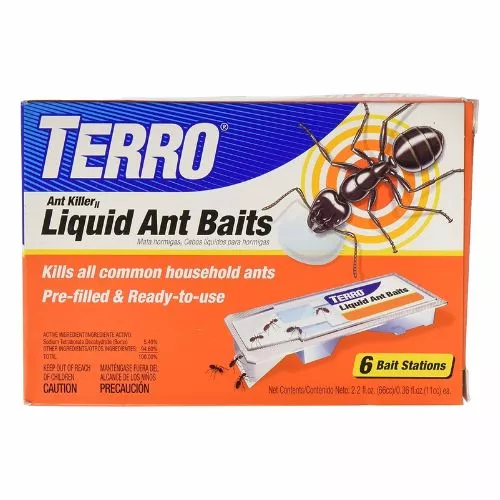
Stop letting ants take over your kitchen. Terro T300-3 Liquid Ant Baits don’t just kill the ants you see — they wipe out the entire colony at the source. Set them, forget them, and get back to a clean, pest-free cooking space where your food (not ants) gets all the attention.
2. Diatomaceous Earth (Food-Grade)
A non-toxic powder that kills ants by dehydrating them.
Recommended: HARRIS Food Grade Diatomaceous Earth (2lb)
- Pros: Safe around children and pets
- Cons: Can be messy if over-applied
- Best Use: Around baseboards, pantry corners, and entry points
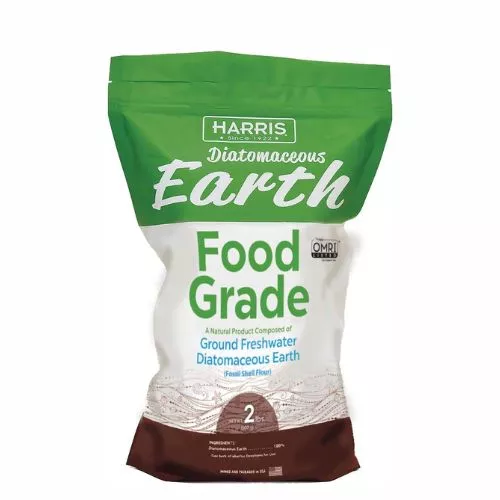
Don’t let ants claim your kitchen as their territory. Harris Diatomaceous Earth Food Grade creates a powerful, natural barrier that kills crawling insects on contact — without chemicals. Just sprinkle, seal the entry points, and keep your kitchen clean, safe, and pest-free the organic way.
3. Natural Cleaning Spray
Cleans surfaces and removes the ant scent trail.
Recommended: Aunt Fannie’s All-Purpose Cleaning Vinegar Spray
- Pros: Non-toxic, essential oil-based
- Cons: Initial vinegar scent may be strong
- Best Use: Kitchen counters, floors, sink areas
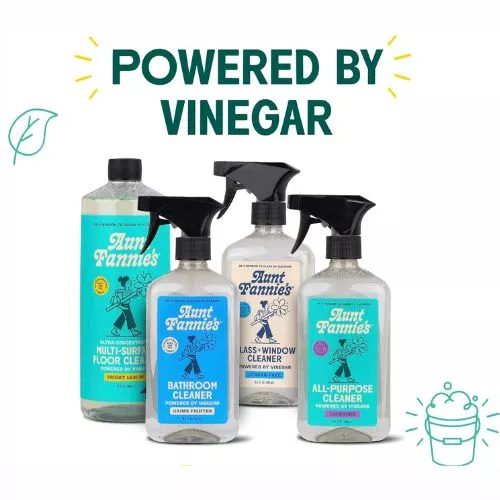
When ants leave trails and sticky messes behind, Aunt Fannie’s All-Purpose Cleaner helps erase both. Its vinegar-powered formula wipes away scent trails that attract more ants, while leaving your counters, windows, and kitchen surfaces fresh, clean, and lemon-bright — so pests lose the invitation to come back.
4. Essential Oils
Repel ants naturally using concentrated plant oils.
Recommended: Majestic Pure Peppermint Essential Oil – 4 oz
- Pros: Long-lasting and versatile
- Cons: Must be diluted before applying to surfaces
- Best Use: Mix with water and spray along entry paths or soak cotton balls
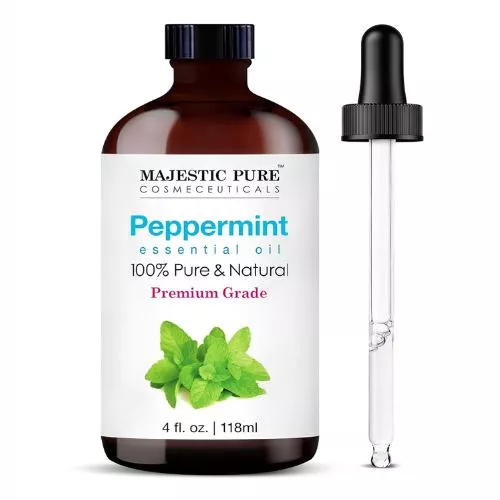
Kick ants out naturally with the sharp, refreshing power of Majestic Pure Peppermint Essential Oil. A few drops mixed with water create a potent, plant-based repellent that disrupts ant trails and keeps your kitchen smelling clean, fresh, and pest-free — no harsh chemicals needed.
5. Spray Bottles
Used for homemade ant repellent or vinegar-based cleaners.
Recommended: Sally’s Organics Amber Glass Spray Bottles – 2 Pack
- Pros: UV-protective, reusable
- Cons: Glass may break if dropped
- Best Use: Mixing vinegar, essential oil blends, or dish soap spray
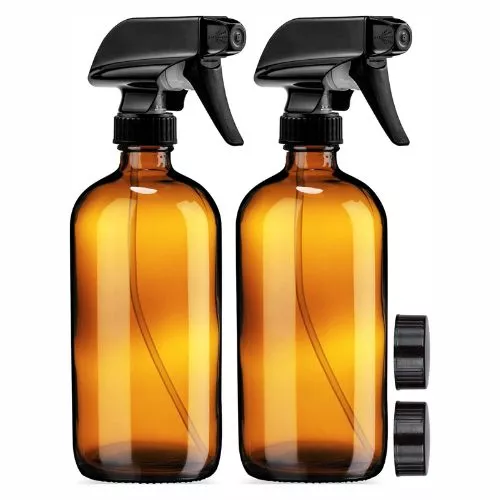
Turn your DIY ant-repelling mixes into a powerful spray with Sally’s Organics Amber Glass Bottles. Their UV-protective glass keeps essential oil blends potent, while the fine-mist nozzle delivers even coverage to cracks, corners, and entry points — making your natural ant defense easy, effective, and mess-free.
6. Handheld Vacuum
Quickly removes live ants and food debris.
Recommended: LEVOIT Cordless Vacuum Cleaner
- Pros: Lightweight and efficient
- Cons: Small bin needs frequent emptying
- Best Use: Along baseboards, behind appliances, under cabinets
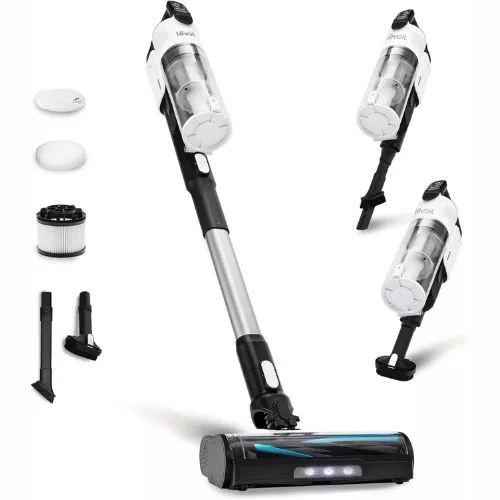
Ants love crumbs — and crumbs invite colonies. The LEVOIT Cordless Vacuum eliminates their food source fast with powerful suction that lifts sugar, flour, and pet food from floors, corners, and under appliances. Clean faster, break the ant cycle, and keep your kitchen naturally pest-free.
7. Flashlight
Helps identify ant entry points or trails in hard-to-see areas.
Recommended: GearLight LED Flashlight Pack – 2 Units
- Pros: High brightness, compact
- Cons: Batteries not always included
- Best Use: Inspecting under the sink, behind the fridge, or in dark corners
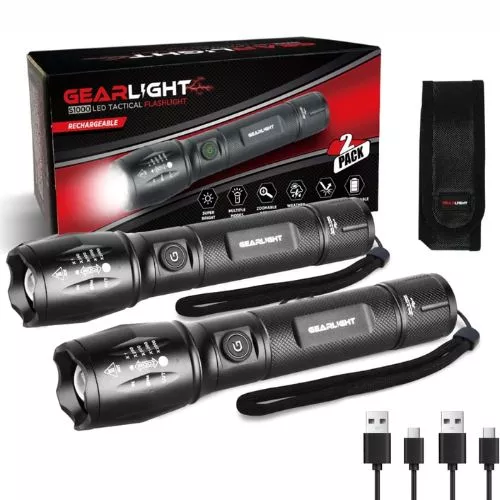
Ants hide where you can’t easily see — under cabinets, behind appliances, and inside dark cracks. GearLight S1000 Tactical Flashlights light up those hidden trails and entry points so you can spot, treat, and seal infestations before they spread. See the problem. Stop it fast.
8. Caulk or Sealant
Seals small gaps and cracks where ants enter the home.
Recommended: Gorilla White 100% Silicone Sealant Caulk
- Pros: Durable, waterproof
- Cons: Requires a caulking gun
- Best Use: Windows, plumbing gaps, baseboard seams
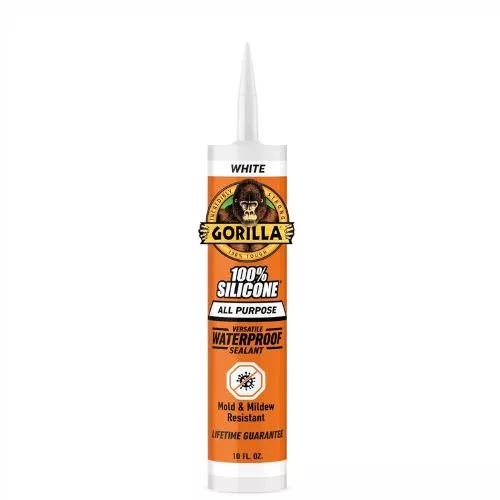
Kill the ants — then shut the door on them for good. Gorilla Waterproof Silicone Caulk seals cracks, gaps, and hidden entry points around your kitchen, windows, and doors, blocking ant highways and preventing future infestations before they start.
9. Airtight Food Storage Containers
Prevents ants from accessing food sources in your pantry.
Recommended: Vtopmart 8 Pack Glass Food Storage Containers with Airtight Lids
- Pros: Stackable, BPA-free, tight seals
- Cons: May be overkill for very small kitchens
- Best Use: Storing dry goods like flour, sugar, cereal, pet food
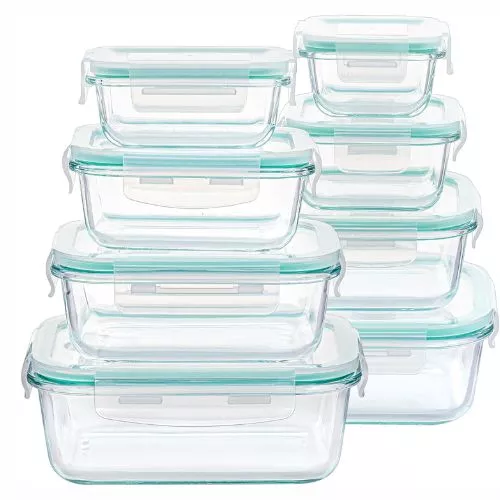
Ants can’t get what they can’t smell. Vtopmart Glass Food Storage Containers lock in food odors with airtight lids, cutting off the scent trails that draw ants into your kitchen — while keeping your meals fresh, safe, and perfectly stored.
10. Perimeter Insect Spray
Used as a last line of defense around the outside of your kitchen or home.
Recommended: Ortho Home Defense Insect Killer – 1 Gallon
- Pros: Covers a large area, long-lasting
- Cons: Chemical-based; avoid direct use near food
- Best Use: Entry points, baseboards, exterior doors and windows
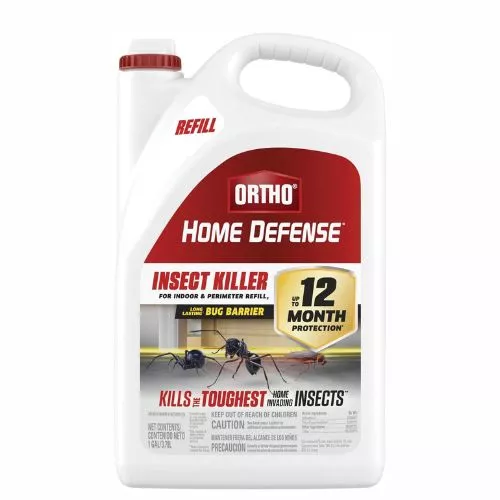
When ants keep coming back, go on the offensive. Ortho Home Defense Refill2 creates a powerful indoor and perimeter barrier that kills ants on contact and keeps new ones from crossing the line — protecting your kitchen and home long after you spray.
FAQs
A sudden surge usually means scouts have found an excellent food or water source and have alerted the colony. Common triggers include:
– Weather changes: Rain or heat can drive them indoors.
– Food residue: Even a tiny crumb, sticky spill, or unrinsed recycling bin can attract them.
– Water source: Damp sponges, leaky faucets, or pet water bowls.
– A nearby nest: The colony may be in a wall, under the house, or just outside.
Ants dislike strong, pungent scents that disrupt their scent trails. Essential oils are effective deterrents (but not permanent killers):
– Peppermint, Tea Tree, Citrus (Lemon, Orange), Vinegar and Cinnamon.
– How to use: Mix 10-15 drops of oil with water in a spray bottle and spray along entry points (windowsills, door frames, baseboards). Wipe surfaces with vinegar-water solution. These are repellents, not colony eliminators.
The most effective homemade solution is borax (or boric acid) bait. It’s carried back to the nest, killing the colony.
Recipe:
1- Mix 1 part borax with 3 parts powdered sugar (confectioners’ sugar works best as it blends well).
2- Add a small amount of water to create a syrup or paste.
3- Place tiny dabs on bottle caps or pieces of cardboard near ant trails but out of reach of pets and children.
– Why it works: Ants are attracted to the sugar, carry the poisoned mixture back to the nest, and share it, eliminating the source.
You may like to learn more about kitchen, so try these articles: