Top Kitchen Design Ideas for Food Bloggers
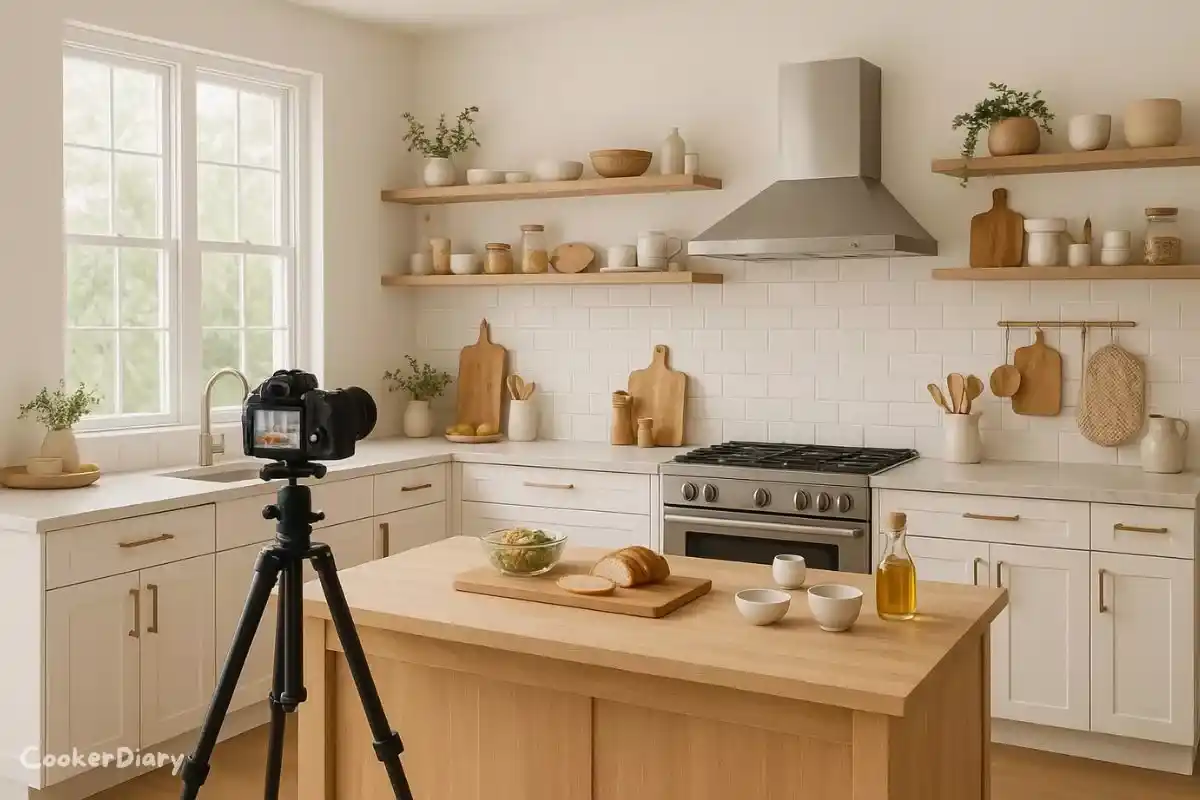
Every food blogger knows the kitchen isn’t just a place to prepare meals—it’s the heartbeat of your creative process. It’s where your recipes come to life, where your content takes shape, and where your personality shines through every photo and video. When I first started creating recipe content, I realized my kitchen design had more influence on my productivity than I thought. Poor lighting, cluttered counters, and a lack of filming space often slowed me down.
Designing a kitchen that serves both your cooking and content-creation needs doesn’t have to be complicated or expensive. With the right approach, you can turn your kitchen into a visually stunning and highly functional space that inspires creativity and supports your brand identity. Let’s explore some of the most effective kitchen design ideas for food bloggers who want beauty, efficiency, and personality in every frame.
Related: Black Kitchen Cabinets Stylish Ideas for the Modern Home
Modern Kitchen Design Ideas for Food Bloggers
The foundation of every great kitchen design starts with a layout that works for you. Whether you’re filming recipe tutorials, taking overhead shots, or cooking for your blog, the way your kitchen is structured matters more than you might think.
Choose a Content-Creator-Friendly Layout
A practical layout helps streamline your creative workflow. L-shaped and U-shaped kitchens offer plenty of counter space and camera flexibility. If space allows, adding an island can double as a prep and shooting zone. Islands are especially valuable for bloggers who film overhead cooking videos or create styled table setups.
Think of your workflow in stages—prep, cook, shoot, and store. A kitchen that naturally supports that flow saves time and keeps your filming process efficient.
Incorporate Multi-Purpose Surfaces
Your countertops should look good on camera and be durable enough for daily cooking. Materials like quartz or butcher block provide both beauty and practicality. A light, matte finish reflects soft light beautifully, enhancing your photos and videos.
Consider a separate surface dedicated to filming flat-lays and product shots. Even a small portable tabletop or kitchen cart can serve as a flexible filming space.
Smart Storage and Organization
Food bloggers deal with an unusual mix of items—props, utensils, photography gear, and ingredients. Smart storage systems like pull-out drawers, labeled bins, and hanging rails can help you stay organized and reduce prep time. Studies show that an organized space improves productivity and lowers stress levels, which translates to smoother shooting days.
Lighting and Aesthetics for a Photo-Ready Kitchen
Lighting is everything when it comes to kitchen design for content creation. The right lighting setup can make a simple dish look magazine-worthy.
Natural vs. Artificial Lighting
Natural light is the most flattering for food photography. If possible, position your main prep area near a north-facing window to achieve even lighting throughout the day. On cloudy days, artificial lighting like LED softboxes or ring lights can help maintain consistency. Brands such as Neewer and Lume Cube offer adjustable lighting solutions that mimic daylight.
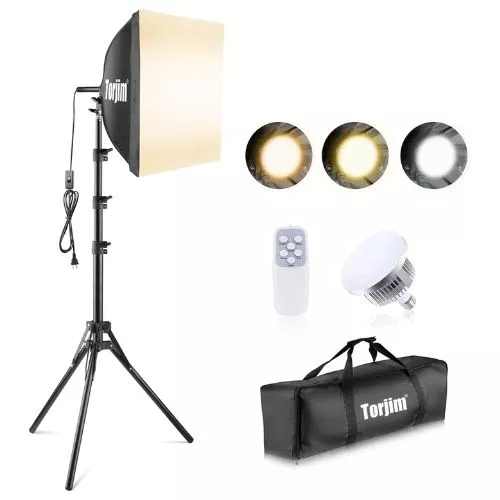
Upgrade your content quality with the Torjim Softbox Photography Lighting Kit — a must-have for food bloggers and creators who want perfectly lit photos and videos every time. With its adjustable 3000–7500K LED bulbs and professional 16″ x 16″ softboxes, this kit delivers studio-grade lighting for cooking tutorials, live streams, and recipe shoots.
Illuminate your kitchen studio like a pro — get the Torjim Softbox Lighting Kit today!
Backdrop and Color Palette Choices
Your kitchen’s color scheme directly impacts how your food appears on camera. Neutral tones like white, beige, and soft wood are timeless and make dishes stand out. Avoid glossy finishes—they can create unwanted glare in photos.
Here’s a quick guide to color coordination:
| Cuisine Style | Best Background Colors | Lighting Tip |
|---|---|---|
| Italian | Olive green, white marble | Warm lighting tones |
| Asian | Matte black, bamboo | Diffused daylight |
| Baking | Pastel or cream | Balanced light temperature |
More kitchen design topics:
Decor and Props for Visual Interest
Decor should enhance your visuals, not distract from them. Mix textures using wooden cutting boards, plants, and ceramic dishes. Brands like KitchenAid and SMEG not only perform well but also look beautiful on camera. Keep your decor flexible so you can easily update your kitchen’s look for seasonal or sponsored content.
Functional Kitchen Design for Content Creation
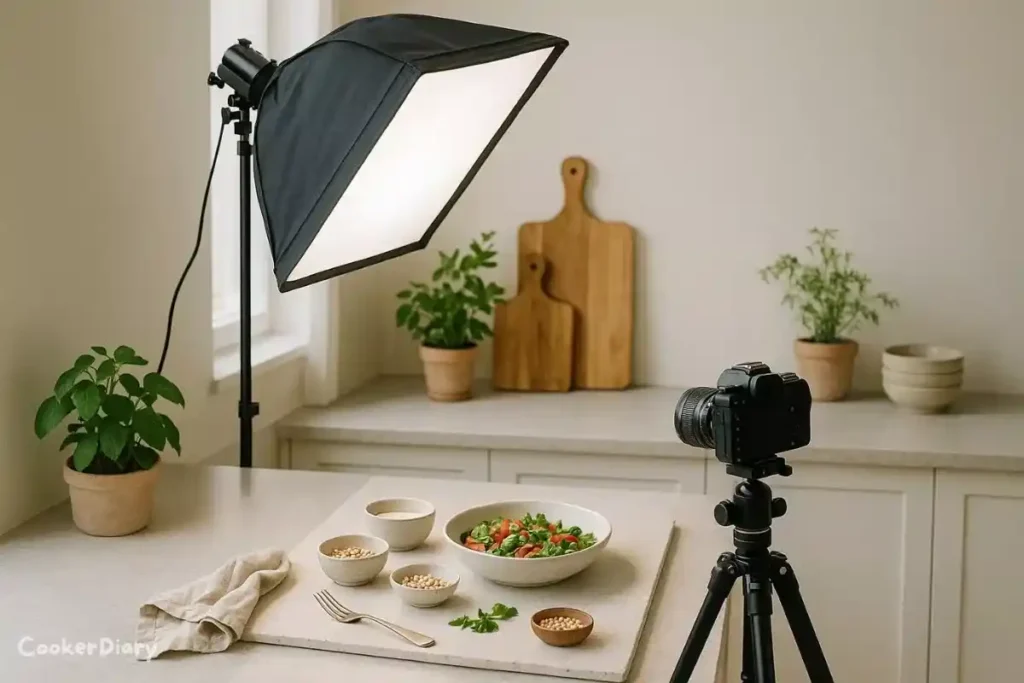
Beyond appearance, your kitchen must work efficiently as a creative space. Integrating the right tools and equipment ensures a seamless cooking-to-content pipeline.
Equipment Essentials for Best Kitchen Design
A reliable camera and tripod are the backbone of any food content setup. Cameras like the Sony ZV-E10 are ideal for high-quality video, while the Joby GorillaPod offers flexibility for overhead angles. Don’t forget good audio—viewers stay longer when your sound quality matches your visuals.
Small appliances also play a role. Sleek, quiet models from Bosch or KitchenAid allow you to film without disruptive background noise.
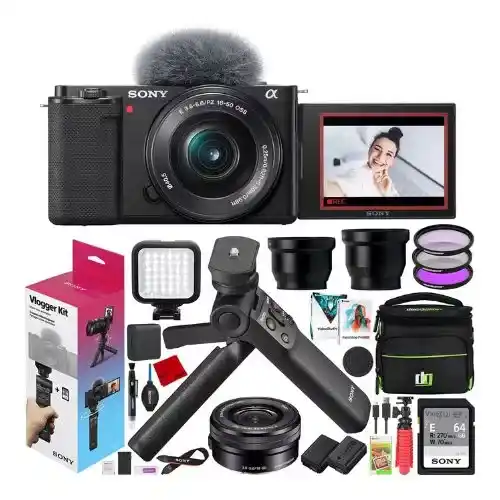
Take your food photography and video content to the next level with the Sony ZV-E10 Vlogger Kit. Featuring a 16-50mm F3.5-5.6 lens, GP-VPT2BT grip, and a complete set of filters, lenses, and accessories, this bundle gives you pro-level clarity, depth, and color accuracy—perfect for recipe videos, cooking tutorials, and high-quality blog visuals.
Shooting Angles and Workflow Zones
Divide your kitchen into zones: prep, cook, film, and store. Each zone should be functional and uncluttered. Keep filming gear close to your shooting area to avoid delays when inspiration strikes. Overhead rigs can be attached to shelves or ceiling mounts for dynamic recipe shots.
Tech Upgrades for Efficiency
Smart appliances are no longer luxury items—they’re productivity boosters. Devices like smart scales or Wi-Fi-enabled ovens allow for precision and consistency during recipe testing. In addition, integrating a smart assistant helps with timers, lighting control, and even background music for your shoots.
Budget-Friendly Kitchen Design Ideas
Creating a beautiful kitchen doesn’t require a massive renovation. Small changes often deliver the biggest visual and functional rewards.
- Small Changes, Big Impact: Fresh paint in a light tone can completely transform your space. Swapping outdated lighting fixtures or adding peel-and-stick backsplashes are affordable updates that refresh your kitchen’s style without a full remodel.
- Affordable Equipment and Decor: Brands like IKEA, Wayfair, and Amazon Basics offer cost-effective tools and storage solutions perfect for bloggers. Investing in one high-impact item—like a stylish stand mixer or a statement pendant light—can instantly elevate your kitchen’s aesthetic.
- Repurpose What You Already Have: Reusing existing kitchen items creatively saves money and adds authenticity. Wooden boards become photography backdrops, mason jars double as prop containers, and colorful linens add warmth to your visuals. Sustainability not only looks good but also aligns with modern audience values.
Maintaining a Productive and Inspiring Kitchen Space
Once your dream kitchen is set up, maintaining it is just as important. A tidy, organized environment keeps your creativity alive and your workflow smooth.
Declutter for Creativity
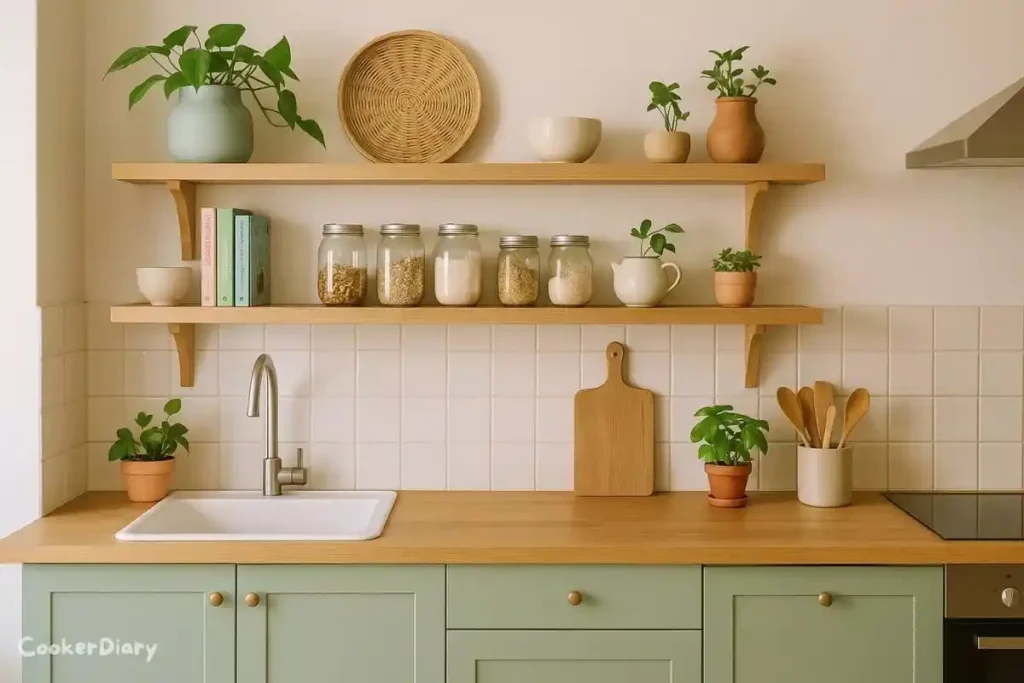
A minimalist approach reduces distractions. Use pegboards, open shelving, and drawer organizers to keep essentials within reach while maintaining a clean look.
Keep It Clean Between Shoots
Create a quick post-shoot checklist:
- Wipe down counters.
- Store props properly.
- Sort ingredients for future content.
Following this routine keeps your kitchen camera-ready and prevents last-minute stress.
Seasonal Updates and Branding
Update your decor with the seasons—fresh flowers in spring, pumpkins in fall, and cozy textures in winter. These subtle changes refresh your content and keep your visuals aligned with current trends.
FAQs About Kitchen Design for Food Bloggers
The 3×4 kitchen rule is a guideline for a balanced spice rack. It suggests having 3 core spices you use weekly (e.g., salt, black pepper, garlic powder) and 4 rotating spices for variety and specific cuisines (e.g., cumin, paprika, oregano, cinnamon). This prevents a cluttered collection while ensuring culinary versatility.
Yes, several free apps are great for DIY kitchen redesign. Planner 5D and the IKEA Kitchen Planner are top choices. They offer user-friendly drag-and-drop tools, 3D visualization, and catalogs of cabinets and appliances to experiment with layouts and styles before committing.
Food bloggers get recipes from:
Creating Originals: Developing their own through testing and experimentation.
Adapting Classics: Putting a unique spin on traditional or well-known dishes.
Inspiration: Drawing ideas from cookbooks, other blogs, restaurants, or cultural traditions, always rewriting and crediting where appropriate.
The golden rule is the Work Triangle. This principle positions the three main work areas—the sink, refrigerator, and stove—in a triangular layout with clear pathways. Each leg of the triangle should be between 4 and 9 feet, creating an efficient, safe, and ergonomic workflow without traffic jams.
Crafting Your Dream Kitchen That Inspires Creativity
Designing your kitchen as a food blogger is about more than style—it’s about creating an environment that fuels inspiration, productivity, and authenticity. Start small, experiment with layouts and lighting, and refine as your content grows. A well-designed kitchen doesn’t just make cooking easier—it elevates your brand and turns every recipe into a story worth sharing.
Affiliate Disclaimer:
This article may contain affiliate links. If you make a purchase through them, I may earn a small commission at no additional cost to you. This supports my content creation and helps me continue sharing practical ideas for your kitchen and creative journey.