Chef Antoine-Augustin Parmentier: A Culinary Pioneer
Key Takeaways: The Impact of Antoine-Augustin Parmentier
- Revolutionizing Agriculture and Diets: Antoine-Augustin Parmentier’s advocacy for the potato reshaped agricultural practices and dietary habits, establishing it as a global staple.
- Sustainability and Mentorship: Parmentier’s commitment to sustainable food practices and his mentorship of chefs and agriculturists underline his enduring influence in fostering innovation and education.
- A Legacy of Culinary Excellence: Through his scientific curiosity and culinary passion, Parmentier’s contributions continue to inspire modern approaches to food security and gastronomy.
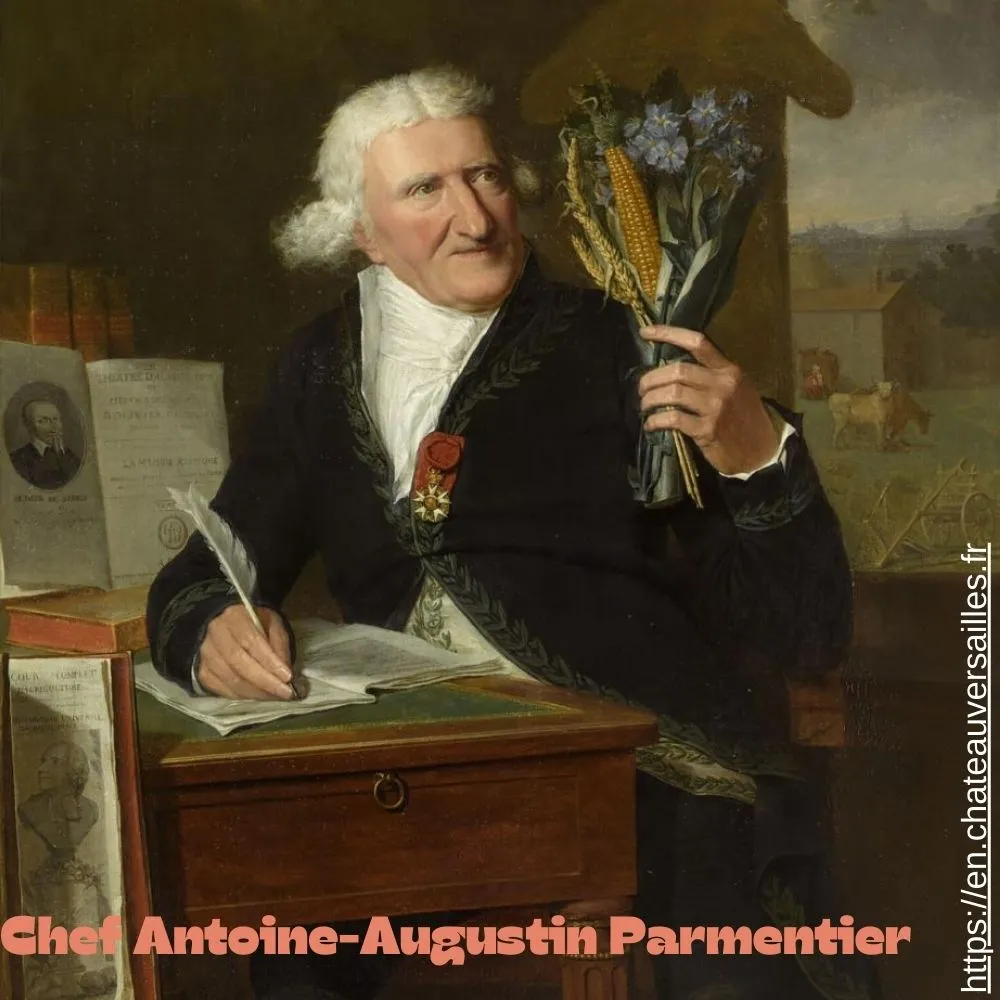
Antoine-Augustin Parmentier (12 August 1737 – 13 December 1813), a celebrated figure in the culinary world, left an indelible mark through his innovations, dedication to gastronomy, and advocacy for sustainable food practices. Best known for his efforts in popularizing the potato in French cuisine, Parmentier’s legacy extends far beyond a single vegetable, encompassing a lifetime of culinary excellence, scientific curiosity, and social impact.
Related: Auguste Escoffier: The Father of Modern Cuisine
Parmentier Early Life and Background
Childhood and Family
Born on August 12, 1737, in Montdidier, France, Antoine-Augustin Parmentier grew up in a modest family. His early exposure to agrarian lifestyles shaped his interest in food and agriculture. Despite limited resources, his parents prioritized education, fostering his intellectual growth.
Education and Culinary Training
Parmentier’s journey into the culinary world began with his apprenticeship as a pharmacist. His studies in chemistry and nutrition laid the groundwork for his future contributions to gastronomy. During his imprisonment in Prussia during the Seven Years’ War, he encountered the potato, an experience that ignited his lifelong passion for promoting it as a staple food.
Rise to Prominence
Parmentier Career Beginnings
Parmentier began his career as a pharmacist for the French military, where his expertise in nutrition and chemistry became crucial in addressing the challenges of feeding soldiers. During this time, he observed the dire effects of food scarcity and malnutrition, which inspired his quest to find sustainable and nutritious solutions. His work gained attention as he devised methods to preserve food for longer durations, an essential skill during wartime. Parmentier’s ability to combine practical solutions with scientific principles established his reputation as a forward-thinking innovator in the field of nutrition.
Breakthrough Moments
One of Parmentier’s most notable achievements was his relentless advocacy for the potato as a solution to France’s recurring food shortages. At the time, the potato was viewed with suspicion and was often relegated to livestock feed. Parmentier sought to change this perception through a series of public campaigns and strategic demonstrations. He famously organized elaborate dinners featuring potato-based dishes, inviting influential figures, including King Louis XVI and Queen Marie Antoinette, to partake. These events not only showcased the versatility and nutritional value of potatoes but also elevated their status as a viable food source for the masses.
In addition to his culinary showcases, Parmentier employed innovative methods to popularize the potato. For instance, he planted potato fields near Paris and strategically stationed guards around them during the day to create an illusion of scarcity and value. At night, the guards were withdrawn, allowing locals to “steal” the crops, thereby introducing potatoes into their diets. This clever tactic contributed significantly to shifting public opinion and fostering acceptance of the potato as a staple food.
Parmentier’s efforts culminated in official recognition and support from the French government. His work not only alleviated food insecurity but also paved the way for agricultural reforms that prioritized resilience and sustainability. His breakthroughs solidified his status as a pioneer in the integration of science and gastronomy.
Related: Alain Ducasse Chef: Culinary Mastermind
Parmentier Signature Style and Philosophy
Parmentier Culinary Vision
Parmentier’s philosophy revolved around accessibility and sustainability. He believed that good food should be nutritious, affordable, and available to all, principles that guided his experiments and innovations.
His Impact on the Culinary World
Parmentier’s contributions extended beyond the kitchen. He championed public health initiatives, introducing methods to combat malnutrition and food insecurity. His work influenced both culinary techniques and agricultural policies in France and beyond.
Parmentier Signature Dishes
Parmentier is credited with creating several potato-based dishes, including the iconic Hachis Parmentier, a French shepherd’s pie. His recipes highlighted the versatility of the potato and its potential as a staple ingredient.
Parmentier Major Works and Achievements
Restaurants and Ventures
While Parmentier did not own traditional restaurants, he collaborated with various institutions and culinary establishments to showcase the potential of potatoes and other nutritious ingredients. He frequently organized public demonstrations, where he prepared and served innovative dishes to educate the masses about sustainable food practices. These events not only popularized his recipes but also inspired culinary experimentation among his contemporaries.
Scientific Contributions
Parmentier’s work extended into the realm of science. He authored numerous essays and papers on topics such as food preservation, nutritional science, and agricultural techniques. His groundbreaking research on food safety and preservation methods contributed to the advancement of both gastronomy and public health.
Public Health Initiatives
In addition to his culinary innovations, Parmentier was a staunch advocate for public health. He played a key role in introducing vaccination campaigns and improving food distribution systems in France. His initiatives were aimed at combating malnutrition and ensuring food security during times of famine.
Educational Efforts
Parmentier’s passion for education was evident in his efforts to teach others about the nutritional and economic benefits of potatoes. He collaborated with schools and universities, delivering lectures and conducting workshops to spread awareness about sustainable food practices.
Awards and Recognitions
Parmentier’s contributions did not go unnoticed. He was awarded the Legion of Honor for his services to France and recognized by the French Academy of Sciences. These honors underscored his influence not only as a chef but also as a scientist and humanitarian.
Related: Eli Schulman: A Culinary Legend Chef
Parmentier Challenges and Triumphs
Parmentier’s journey was far from smooth, marked by societal resistance and personal hurdles. When he first proposed the potato as a viable food source, he faced widespread skepticism and ridicule. In 18th-century France, potatoes were seen as a food fit only for livestock or the destitute, often associated with diseases like leprosy. Overcoming these prejudices required relentless effort and strategic persuasion.
To counter public aversion, Parmentier employed creative tactics, such as planting potato fields guarded by soldiers during the day but left unprotected at night, enticing curious locals to “steal” the crops. These ingenious methods not only disseminated potatoes among the populace but also began changing perceptions about their value as a food source.
Beyond societal resistance, Parmentier also faced logistical challenges, including the lack of agricultural infrastructure and knowledge to cultivate potatoes on a large scale. He worked tirelessly to educate farmers, distribute seeds, and develop recipes that showcased the potato’s versatility. His efforts extended to influencing policy, advocating for agricultural reforms to support food security.
Personally, Parmentier’s resilience was tested by his modest beginnings and the limited resources available for his initiatives. His ability to transform adversity into opportunity highlights his determination and innovative spirit. Through his advocacy, he not only saved countless lives during times of famine but also laid the groundwork for modern approaches to sustainable agriculture and nutrition.
Parmentier Legacy and Influence
Antoine-Augustin Parmentier’s legacy transcends his era, leaving a profound impact on culinary arts, agriculture, and public health. His tireless advocacy for the potato not only alleviated food shortages in 18th-century France but also cemented its place as a global staple, transforming diets and economies worldwide.
Mentorship and Contributions
Parmentier’s influence extended beyond his immediate contributions to the culinary world. He mentored budding chefs and collaborated with agricultural scientists, fostering a spirit of innovation and education. His methods and principles continue to inspire chefs, nutritionists, and agriculturalists, emphasizing the importance of sustainability and resourcefulness in food production.
Broader Cultural Impact
Parmentier’s work resonated in the arts and literature, with his name and efforts immortalized in French culture. Streets, dishes, and institutions bearing his name are a testament to his enduring influence. The term “Parmentier” has become synonymous with culinary excellence and the transformative power of innovation.
Inspiration for Future Generations
By championing the potato, Parmentier demonstrated the value of overlooked resources and the potential of creative problem-solving. His legacy serves as a beacon for those aiming to address modern challenges in food security and nutrition. From farm-to-table movements to initiatives combating global hunger, Parmentier’s vision remains as relevant today as it was centuries ago.
A Lasting Culinary Tribute
Starting in the 1870s, Antoine-Augustin Parmentier’s contributions to the culinary arts were immortalized through an array of potato-based dishes named in his honor. These include potage, velouté, or crème Parmentier (potato and leek soup), hachis Parmentier (a French cottage or shepherd’s pie), and brandade de morue Parmentier (salt cod mashed with olive oil and potatoes). Additionally, dishes such as pommes Parmentier (cubed potatoes fried in butter), purée Parmentier (mashed potatoes), and salade Parmentier (potato salad) reflect the enduring impact of his advocacy for the potato as a versatile and essential ingredient.
These culinary creations not only pay homage to Parmentier’s legacy but also stand as a testament to his vision of making nutritious and sustainable food accessible to all. His influence continues to shape modern gastronomy, inspiring chefs and food enthusiasts worldwide to embrace innovation and resourcefulness. Antoine-Augustin Parmentier’s name is etched not just in French cuisine but also in the broader narrative of culinary history, reminding us of the transformative power of ingenuity and perseverance.
For a deeper dive into the complete history of Chef Antoine-Augustin Parmentier, learn his motivating story here.