Julia Child: The Iconic Chef in the USA
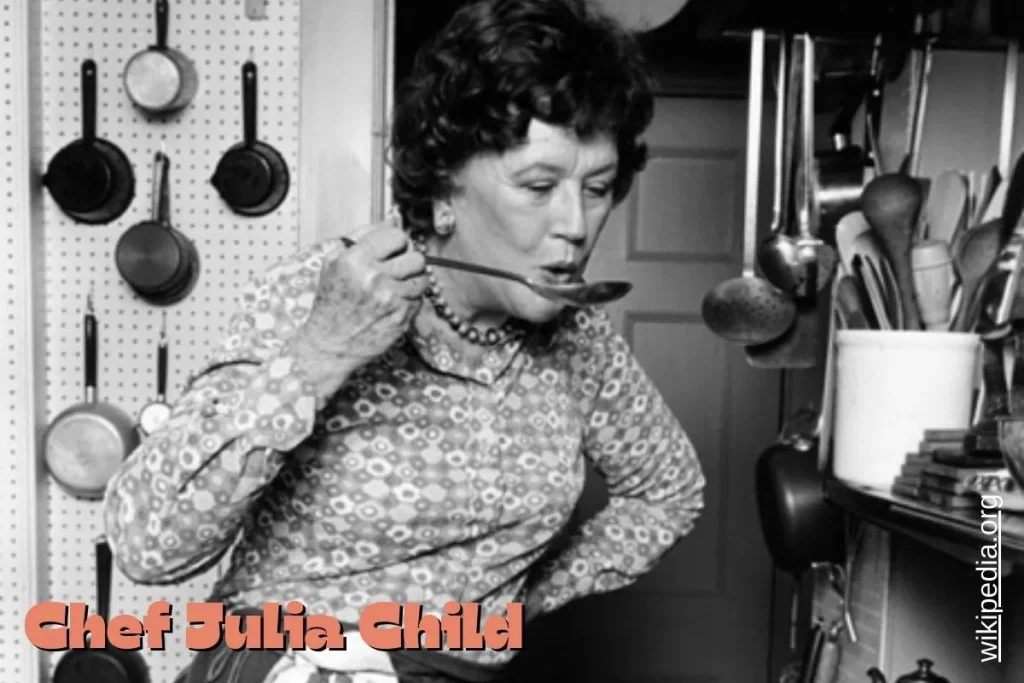
Julia Child (1912–2004) revolutionized the way Americans approach cooking. She didn’t just teach recipes—she inspired confidence in the kitchen. With her infectious enthusiasm and fearless attitude, she proved that anyone, no matter their skill level, could master the art of French cuisine. She embraced mistakes, laughed through challenges, and made cooking an adventure rather than a chore. Her passion was contagious, and her influence continues to shape the culinary world today.
If you’ve ever felt intimidated by cooking, Julia Child’s story will change your perspective. She overcame doubts, broke barriers, and transformed home kitchens across America. Her journey from a curious beginner to a culinary icon is proof that persistence and passion can lead to greatness. Keep reading to discover how she turned her love for food into a legacy that still inspires chefs and home cooks worldwide.
Related: Alain Ducasse Chef: Culinary Mastermind
Julia Child Early Life and Background
Childhood and Family
Born Julia Carolyn McWilliams on August 15, 1912, in Pasadena, California, she was the eldest of three children in a well-to-do family. Her father, John McWilliams Jr., was a land manager, and her mother, Julia Carolyn Weston, was a paper-company heiress. Despite her privileged upbringing, Child did not have an early interest in cooking.
Education and Culinary Training
Child graduated from Smith College in 1934 with a degree in history. During World War II, she served in the Office of Strategic Services (OSS), where she met her husband, Paul Child. After the war, the couple moved to Paris, where Julia’s passion for French cuisine blossomed. She enrolled at Le Cordon Bleu, one of France’s premier cooking schools, and later studied privately with master chefs.
Rise to Prominence
Julia Child Career Beginnings
After her training, Child co-founded L’École des Trois Gourmandes, a cooking school aimed at teaching American women French cooking techniques. Her collaboration with Simone Beck and Louisette Bertholle led to the publication of “Mastering the Art of French Cooking” in 1961, a comprehensive guide that made French cuisine accessible to American home cooks.
Julia Child Breakthrough Moments
The success of her cookbook led to an invitation to appear on a Boston public television station, where she demonstrated how to cook an omelet. This appearance was so well-received that it led to her own television show, “The French Chef,” which premiered in 1963. The show was groundbreaking, bringing culinary arts into American living rooms and earning Child a Peabody Award in 1965 and an Emmy Award in 1966.
Source: biography.com
Julia Child Signature Style and Philosophy
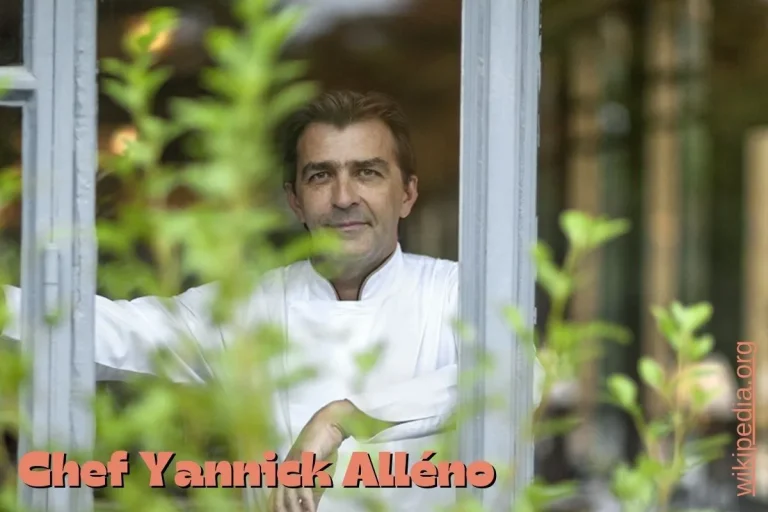
Related: Yannick Alléno: 16 Michelin stars
Her Culinary Vision
Child’s philosophy centered on the idea that anyone could learn to cook well with the right guidance. She emphasized the importance of mastering fundamental techniques and encouraged experimentation and enjoyment in the kitchen.
Impact on the Culinary World
By demystifying French cooking, Child inspired a generation of home cooks and professional chefs. Her engaging personality and clear instructions helped elevate the culinary arts in America, paving the way for future cooking shows and celebrity chefs.
Julia Child Signature Dishes
Julia Child introduced many classic French dishes to American home cooks. She believed that anyone could master French cuisine with the right guidance. Her recipes focused on clear instructions, practical techniques, and a deep respect for tradition.
One of her most famous dishes was Boeuf Bourguignon. This rich, slow-cooked beef stew became a signature recipe in Mastering the Art of French Cooking. She taught home cooks how to build deep flavors using simple ingredients like red wine, onions, mushrooms, and bacon. The dish required patience, but her step-by-step approach made it accessible.
Coq au Vin was another standout. This dish featured chicken braised in red wine with mushrooms, onions, and herbs. Traditionally, French chefs used a rooster, but Child adapted the recipe for modern kitchens. She encouraged home cooks to experiment with different wines and techniques. Her version balanced authenticity with practicality, making it a favorite for special occasions.
Her classic French omelet also became legendary. Unlike the fluffy, heavily filled American-style omelet, Child’s version was delicate and smooth. She emphasized proper technique, teaching viewers how to shake the pan, fold the omelet, and achieve a silky texture. She often said mastering an omelet was a sign of a good cook.
Child also introduced the American audience to dishes like Sole Meunière, a simple yet elegant fish dish, and her famous cheese soufflé. These recipes showcased her ability to simplify French cooking while maintaining its essence.
Through her signature dishes, Child made French cuisine approachable. She taught techniques, shared tips, and encouraged cooks to embrace the joy of cooking. Her recipes remain timeless, inspiring both amateur and professional chefs around the world.
Julia Child: Major Works and Achievements
Restaurants and Ventures
While Child did not own a restaurant, her influence extended through her cookbooks and television shows. She starred in eight television cooking series and published 11 cookbooks, each contributing to her legacy as a culinary educator.
Source: womenofthehall.org
Julia Child Awards and Recognitions
Throughout her career, Child received numerous accolades, including:
- A Peabody Award in 1965
- An Emmy Award in 1966
- Honorary doctorate degrees from institutions such as Harvard University and Brown University
- Induction into the National Women’s Hall of Fame
In 2000, she was named a Knight of the Legion of Honour by the French government, recognizing her significant contributions to French culture.
Source: en.wikipedia.org
Julia Child: Challenges and Triumphs
Julia Child encountered many obstacles throughout her career. Her journey from an aspiring chef to a culinary legend was not always smooth. However, she faced every challenge with determination and resilience.
One of her earliest struggles was her late start in the culinary world. Unlike many chefs who begin training in their youth, Child discovered her passion for cooking in her mid-thirties. Some critics doubted whether she could master French cuisine at that stage in life. Despite this, she devoted herself to intensive training at Le Cordon Bleu in Paris. She refused to let age or inexperience hold her back.
Another major challenge came when she attempted to publish her first cookbook, Mastering the Art of French Cooking. Publishers were hesitant, believing that American home cooks would not be interested in complex French recipes. The process of writing and refining the book took nearly a decade. Child and her co-authors had to test and simplify hundreds of recipes to ensure their success in American kitchens. Eventually, their efforts paid off. The book became a bestseller and changed the way Americans approached cooking.
Breaking Barriers on Television
Her television career also had its share of obstacles. When The French Chef first aired, cooking shows were uncommon. Some questioned whether an American woman teaching French cuisine would appeal to viewers. Others worried about her unconventional style, including her unpolished, unfiltered way of speaking. However, her authenticity became one of her greatest strengths. Audiences loved her enthusiasm, humor, and willingness to make mistakes on air.
Beyond her professional struggles, Child faced personal challenges. As a woman in a male-dominated field, she had to work harder to earn respect. She also dealt with health issues later in life, including knee surgeries that made standing in the kitchen difficult. Yet, she continued sharing her love of food and teaching others until her final years.
Every challenge she faced only strengthened her impact. Through persistence, innovation, and a passion for teaching, she overcame doubts and setbacks. In the end, she not only introduced Americans to French cuisine but also redefined how people thought about cooking at home.
Julia Child: Legacy and Influence
Mentorship and Contributions
Child co-founded the American Institute of Wine and Food in 1981 to promote gastronomy and the culinary arts. In 1995, she established the Julia Child Foundation for Gastronomy and the Culinary Arts, which continues to support culinary education and scholarships.
What are the best-selling cookbooks published by Julia Child?
Julia Child authored several best-selling cookbooks, including:
- “Mastering the Art of French Cooking” (Volumes 1 and 2)
- “The French Chef Cookbook”
- “Julia’s Kitchen Wisdom”
These works have become staples in many kitchens, reflecting her enduring influence on home cooking.
Final Thoughts
Julia Child’s impact on the culinary world is undeniable. She transformed the way Americans viewed French cuisine, making it approachable, fun, and accessible to home cooks. Through her cookbooks and television shows, she inspired generations to step into the kitchen with confidence and joy.
Her perseverance, passion, and willingness to embrace mistakes made her a beloved figure far beyond the food industry. She proved that cooking is not about perfection but about learning, experimenting, and enjoying the process. Her legacy continues to live on, encouraging new chefs and food lovers to explore, create, and, most importantly, enjoy good food.