Auguste Escoffier: The Father of Modern Cuisine
Auguste Escoffier (28 October 1846 – 12 February 1935), often referred to as the “King of Chefs and Chef of Kings,” is a monumental figure in culinary history. His groundbreaking contributions to French gastronomy transformed cooking into a disciplined art form, elevating it from the kitchens to the status of high culture. Through his innovations, literary works, and global influence, Escoffier set the foundation for modern culinary practices that are still revered today.

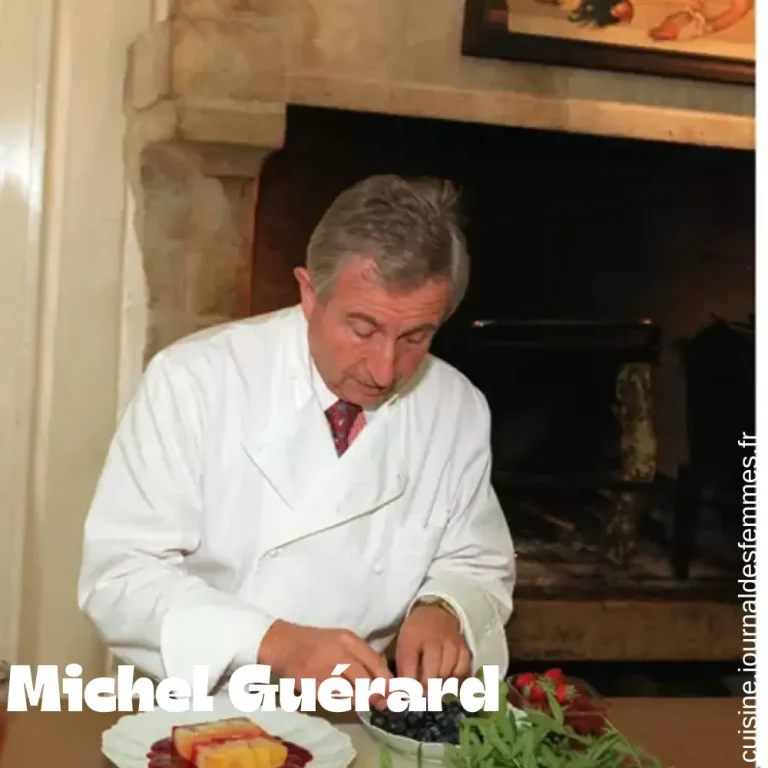
Uncover the inspiring stories of legendary chefs like Michel Guérard, Eli Schulman, Gaston Lenôtre, and Alain Ducasse! From their humble beginnings to their extraordinary achievements, their journeys are filled with passion, creativity, and innovation.
Early Life and Background of Auguste Escoffier
Auguste Escoffier Childhood and Family
Born on October 28, 1846, in Villeneuve-Loubet, France, Georges-Auguste Escoffier grew up in a modest household. His family valued hard work and discipline, qualities that would later define his illustrious career. The picturesque surroundings of his Provençal hometown influenced his appreciation for fresh, local ingredients.
Education and Culinary Training
Escoffier’s culinary journey began at the age of 13 when he apprenticed at his uncle’s restaurant in Nice. Under his uncle’s guidance, Escoffier mastered traditional French techniques while developing a profound respect for discipline and precision. This early exposure to the kitchen laid the groundwork for his revolutionary career.
Auguste Escoffier: Rise to Prominence
Career Beginnings
Escoffier’s career began humbly as a young apprentice, but his ambition quickly propelled him to greater heights. He honed his skills in renowned establishments in Paris and other culinary hubs, where he gained recognition for his meticulous attention to detail and innovative approach.
Breakthrough Moments
Escoffier’s breakthrough came when he was recruited to manage the kitchens at the Savoy Hotel in London in 1890. There, he partnered with hotelier César Ritz to redefine luxury dining. Together, they introduced the concept of haute cuisine, blending exquisite dishes with unparalleled service.
Signature Style and Philosophy of Auguste Escoffier
His Culinary Vision
Escoffier’s vision was rooted in simplicity and refinement. He streamlined traditional French cooking by organizing recipes and techniques into a systematic approach. His method emphasized the importance of quality ingredients, flawless execution, and artistic presentation.
Impact on the Culinary World
Escoffier’s contributions extended beyond the kitchen. He is credited with creating the brigade de cuisine, a hierarchical system that brought order and efficiency to professional kitchens worldwide. His legacy also includes the popularization of dishes like Peach Melba and Crêpes Suzette, which remain timeless classics.
Signature Dishes by Auguste Escoffier
Escoffier’s repertoire of signature dishes showcases his creativity and mastery. Some of his most iconic creations include:
- Peach Melba: A dessert of poached peaches, vanilla ice cream, and raspberry sauce.
- Crêpes Suzette: Delicate pancakes served with orange-flavored butter and flambéed with liqueur.
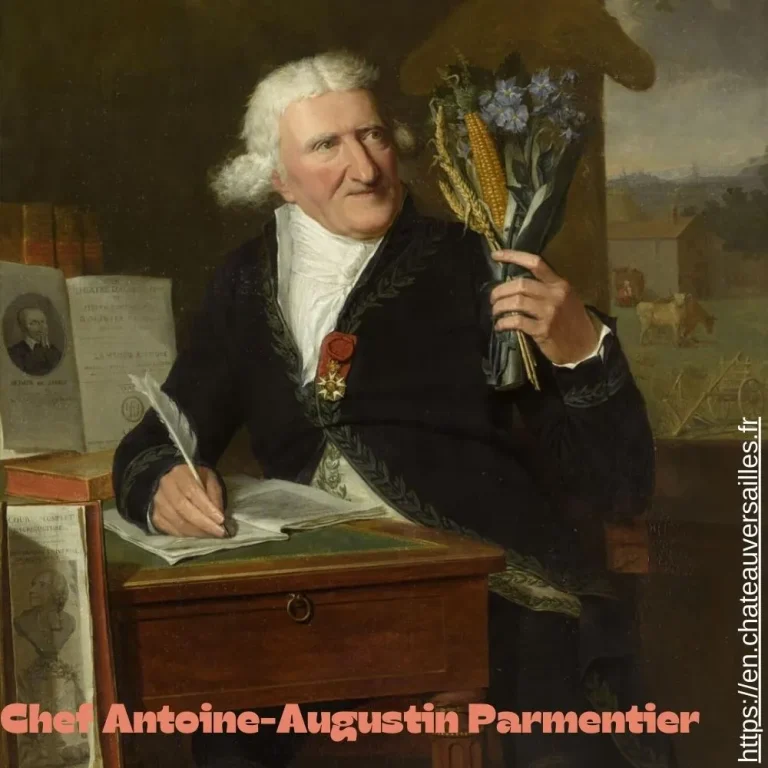
- Potage Parmentier: A refined potato and leek soup.
Auguste Escoffier Major Works and Achievements
Restaurants and Ventures
Escoffier left a lasting mark on the restaurant industry. He managed some of the world’s most prestigious establishments, showcasing his talent and vision. His partnership with César Ritz transformed the Savoy Hotel in London into a beacon of luxury dining. Together, they set new standards for culinary excellence and customer service.
In 1898, Escoffier and Ritz opened the iconic Hôtel Ritz in Paris. Escoffier crafted menus that balanced simplicity with sophistication, winning over royalty, celebrities, and culinary enthusiasts. Later, at the Carlton Hotel in London, he introduced the à la carte dining concept. This innovation allowed guests to select dishes individually, revolutionizing the dining experience. Escoffier’s restaurants became synonymous with elegance, discipline, and exceptional cuisine.
Awards and Recognitions
Escoffier’s brilliance earned him widespread recognition. His contributions redefined French cuisine and brought it global acclaim. In 1928, France honored him with the title of Officer of the Legion of Honor. This prestigious award celebrated his influence on French culture and his dedication to elevating culinary arts.
Beyond this, Escoffier received accolades from culinary organizations worldwide. His legacy as a master chef, innovator, and mentor continues to inspire chefs and food lovers. Escoffier’s work remains a cornerstone of fine dining and French gastronomy.
His Challenges and Triumphs
Escoffier’s journey was filled with challenges that tested his resilience. He worked in high-stakes kitchens where expectations were immense, and mistakes were unforgiving. Leading large teams of chefs required impeccable organization and constant innovation. Every day presented new hurdles, from maintaining consistent quality to managing demanding clientele. Yet, he remained steadfast in his commitment to excellence.
Revolutionizing culinary norms came with its own set of difficulties. Many resisted his ideas, viewing change as unnecessary or disruptive. However, Escoffier refused to back down. He believed in simplifying traditional methods while preserving their integrity. His ability to adapt and think creatively allowed him to address these criticisms head-on. Through determination and an unrelenting drive, Escoffier overcame each obstacle, paving the way for his extraordinary success.
Legacy and Influence
Mentorship and Contributions
Through his leadership, Escoffier mentored countless chefs who carried forward his techniques and philosophy. His teachings emphasized the importance of respect, innovation, and culinary artistry.
Continued Impact
Escoffier’s influence endures in culinary schools, professional kitchens, and dining establishments worldwide. His book, Le Guide Culinaire, remains a cornerstone of classical French cuisine. In November 2015, The Escoffier School of Culinary Arts honored his legacy by introducing programs inspired by his methodologies.
What are the best-selling cookbooks published by Auguste Escoffier?
Auguste Escoffier wrote one of the most important cookbooks in culinary history, Le Guide Culinaire. Published in 1903, this groundbreaking work revolutionized how chefs approached French cuisine. It provided a structured framework that simplified and organized traditional recipes.
The book contains over 5,000 meticulously detailed recipes, showcasing Escoffier’s mastery and innovation. From sauces to soups and desserts, every recipe reflects his commitment to quality and precision. Escoffier also introduced the concept of a systematic approach to cooking. This made Le Guide Culinaire not just a cookbook but a training manual for aspiring chefs. Today, culinary schools and professionals around the globe still rely on its guidance. Its enduring influence cements Escoffier’s legacy as the father of modern French gastronomy.
Final Thought
Auguste Escoffier’s contributions to the culinary world extend far beyond his lifetime. As a visionary, mentor, and innovator, he laid the groundwork for modern cooking practices and inspired generations of chefs. His enduring legacy continues to shape the art of gastronomy, making him a timeless icon in the world of fine dining.