James Beard: The Father of American Gastronomy

James Beard (1903–1985) was more than just a chef; he was a culinary icon who transformed the American food landscape. Often referred to as the “Dean of American Cookery,” Beard’s contributions shaped the nation’s palate and culinary identity. His influence lives on through his cookbooks, television appearances, and mentorship, continuing to echo through the James Beard Foundation and the broader culinary world.
Related: Alice Waters Chef Profile: The Pioneer of Farm-to-Table Cuisine
James Beard Early Life and Background
Childhood and Family
James Andrew Beard was born on May 5, 1903, in Portland, Oregon. Raised in a home where food was both a necessity and a joy, Beard’s early exposure to fresh, local ingredients and his mother’s passion for cooking played a pivotal role in shaping his culinary inclinations. His mother ran a boarding house and often cooked elaborate meals using seasonal produce.
Education and Culinary Training
Beard studied at Reed College in Portland, although he left before completing his degree. Initially aspiring to be an actor, he spent time abroad in Europe, where he encountered the rich culinary traditions of France and Italy. While he did not receive formal culinary training in a traditional sense, his European experiences profoundly influenced his palate and understanding of gastronomy.
Rise to Prominence
James Beard Career Beginnings
Beard’s culinary career began in earnest when he co-founded a catering company, Hors d’Oeuvre, Inc., in New York City in 1937. Specializing in cocktail food, the business flourished and marked the start of Beard’s professional journey.
His Breakthrough Moments
His first cookbook, Hors d’Oeuvre and Canapés, published in 1940, was a significant success. During World War II, Beard served in the United Seamen’s Service and cooked for merchant sailors. After the war, he became a prominent figure in culinary media through books, magazine articles, and one of the earliest television cooking shows, I Love to Eat (1946).
Related: Fannie Farmer: Her Impact on American Cuisine
James Beard Signature Style and Philosophy
Culinary Vision
J.Beard championed American ingredients and cooking methods at a time when French cuisine dominated the fine dining scene. He believed in simplicity, freshness, and honoring local traditions. Beard encouraged Americans to embrace their own food heritage instead of mimicking European styles.
Impact on the Culinary World
He helped define what American cuisine could be—diverse, regional, and deeply rooted in tradition. Beard advocated for the use of seasonal, local ingredients long before “farm-to-table” became a movement. His inclusive and democratic approach to food inspired chefs across generations.
Signature Dishes
While Beard wasn’t known for a single iconic dish, he elevated many classic American recipes. Dishes like roast chicken, crab cakes, and simple breads featured heavily in his repertoire—all prepared with a devotion to quality and technique.
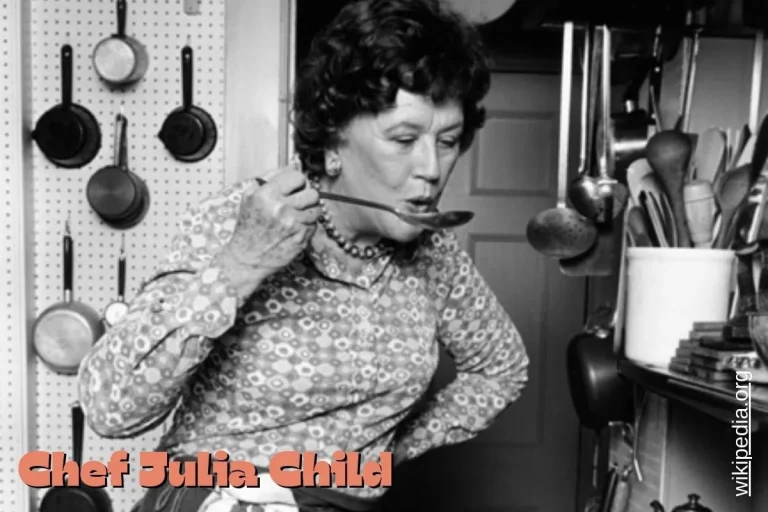
Related: Julia Child: The Iconic Chef in the USA
Major Works and Achievements of James Beard
Restaurants and Ventures
Though Beard never opened a traditional restaurant, his influence extended through cooking schools, media appearances, and books. He taught at The James Beard Cooking School and worked with major culinary institutions throughout his life.
Awards and Recognitions
- Multiple honorary degrees from institutions like Johnson & Wales University
- Recipient of the prestigious National Book Award in 1973 for his book American Cookery
- The founding of the James Beard Foundation in 1986 posthumously honored his legacy
- Established in 1990, the James Beard Awards have become one of the most prestigious honors in the American culinary industry.
What are the best-selling cookbooks published by James Beard?
Some of James Beard’s most acclaimed and best-selling cookbooks include:
- American Cookery (1972). Order your copy from Amazon.
- James Beard’s Beard on Bread (1973). Buy it from Amazon.
- The James Beard Cookbook (1959). Buy The Beard Cookbook from Amazon.
- Delights and Prejudices (1964, part autobiography, part cookbook). Order your hardcover copy from Amazon.
- James Beard’s Treasury of Outdoor Cooking (1960). Order Now from Amazon.
James Beard Legacy and Influence
Mentorship and Contributions
James Beard mentored countless chefs who would go on to shape American cuisine, including Wolfgang Puck, Alice Waters, and Jonathan Waxman. His books and television work educated home cooks and professionals alike, and his advocacy for American food culture helped create a national culinary identity.
The James Beard Foundation continues his work by celebrating and supporting chefs, authors, and food professionals who push the culinary envelope.
FAQs
It’s not that one is more prestigious than the other; they are different kinds of prestige for different contexts.
Think of it this way:
– Michelin Stars are the ultimate award for fine dining, culinary artistry, and consistency. They are an international benchmark for a restaurant’s technical excellence, creativity, quality of ingredients, and the overall dining experience. Earning even one star is a career-defining achievement for a chef and puts a restaurant on the global map. It’s about the restaurant as an institution.
– James Beard Awards are the highest honors in American food culture. They celebrate not just fine dining, but also chefs, restaurants, books, journalism, broadcasting, and design. They are awarded by peers and industry experts and are deeply tied to the American culinary narrative, regional cuisine, innovation, advocacy, and community impact. Winning a “Beard” is like winning an Oscar for the American food scene.
James Beard (1903–1985) shaped modern American food culture. He championed American ingredients and regional cooking, helped create the concept of the celebrity chef, mentored major food figures like Julia Child and Alice Waters, and left a lasting legacy through the James Beard Foundation and its prestigious awards. His impact lies in building the identity and community of American cuisine rather than in one signature dish or restaurant.
Final Note
James Beard’s legacy is more than just recipes and awards; it’s a celebration of American culinary identity. His belief in using fresh, local ingredients and his mentorship of rising chefs created a ripple effect that still shapes modern cooking. As the namesake of the James Beard Foundation and its prestigious awards, his influence endures as a benchmark for excellence in food.
Beard’s journey, from modest beginnings to becoming a leader in American gastronomy, reflects his passion, resilience, and belief in the unifying power of good food.