
Canned Sardines: The Complete Guide to Benefits, Types & Best Brands
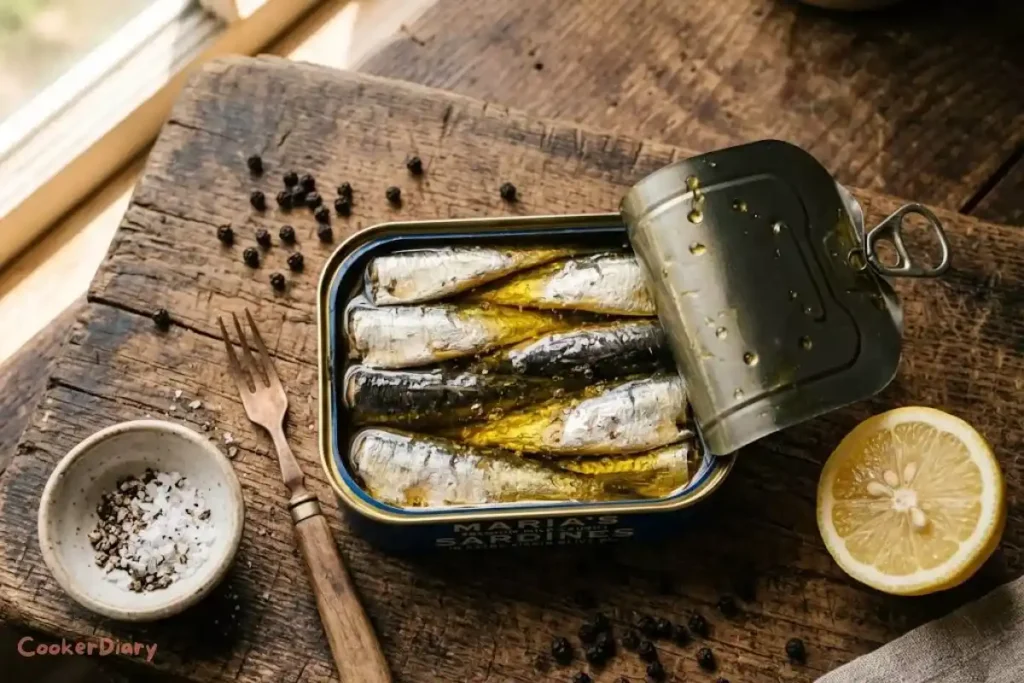
Canned sardines have had a serious glow-up. Once dismissed as a dusty pantry staple, they are now a bonafide food trend — featured on TikTok feeds, stacked on the shelves of gourmet delis, and celebrated by chefs and nutritionists alike. But beyond the hype, canned sardines have always been one of the smartest, most nutritious, and most versatile foods you can keep in your kitchen.
Whether you are new to tinned fish or a longtime sardine lover looking to deepen your knowledge, this complete guide covers everything: what canned sardines actually are, their extraordinary health benefits, the different types available, how to choose the best brand, and the most delicious ways to eat them. By the end, you will understand why millions of people around the world reach for a tin of sardines every single day.
What Are Canned Sardines?
Canned sardines are small, oily fish that have been cooked, preserved, and sealed in airtight tins — usually in olive oil, sunflower oil, water, or tomato sauce. The name “sardine” most likely comes from the Italian island of Sardinia, where large schools of these fish were historically abundant.
Scientifically, sardines belong to the family Clupeidae and are closely related to herrings and pilchards. In fact, the terms “sardine” and “pilchard” are often used interchangeably — pilchard generally refers to larger, more mature fish, while sardine refers to smaller, younger ones. Several species fall under the sardine umbrella, including Sardina pilchardus (European sardine) and Sardinops sagax (Pacific sardine).
What makes sardines particularly special for canning is their naturally high oil content and firm flesh. The canning process involves cooking the fish at high pressure, which softens even the small bones and makes them completely edible. This matters nutritionally — those soft bones are packed with calcium.
Why Morocco Dominates the Canned Sardine World
When it comes to canned sardines, one country stands above all others: Morocco. Morocco is the world’s largest canned sardine exporter and the leading supplier to the European market. Sardines represent more than 62% of the total Moroccan fish catch and account for 91% of raw material usage in the domestic canning industry. Around 600,000 tonnes of fresh sardines are processed each year by Moroccan canneries.
The sardines are caught in the FAO 34 fishing zone — the Northeast Atlantic and the coastal waters of Northwest Africa — one of the most productive and sustainable fishing grounds on the planet. Moroccan canned sardines are produced under strict EU, US, HACCP, and ISO certification standards, which is a major reason why they are trusted by importers and consumers worldwide.
If you see “Product of Morocco” on a tin of sardines, that is a quality signal, not just a geographic label.
The Health Benefits of Canned Sardines
Few foods pack as much nutrition into such a small package. Canned sardines are genuinely one of the most nutrient-dense foods available, and the science backs this up completely.
Rich in Omega-3 Fatty Acids
Sardines are one of the best dietary sources of long-chain omega-3 fatty acids (EPA and DHA). These essential fats are critical for heart health, brain function, and reducing systemic inflammation. Because sardines sit at the bottom of the marine food chain — feeding on plankton and algae rather than other fish — they accumulate omega-3s without accumulating toxins.
Excellent Protein Source
A single 125g tin of canned sardines delivers approximately 23–25 grams of complete protein, containing all essential amino acids. This makes them an outstanding option for muscle maintenance, satiety, and recovery.
High in Calcium and Vitamin D
This is where canned sardines have a unique advantage over most other fish: because the bones are softened during the canning process, you eat them. Those tiny bones are loaded with calcium — comparable to a glass of milk per serving. Paired with the vitamin D content naturally present in sardines, this combination makes them exceptional for bone health.
Loaded with Vitamin B12
Sardines are one of the highest natural sources of vitamin B12, a nutrient essential for nervous system function, energy production, and red blood cell formation. A single serving can provide over 200% of the daily recommended intake.
Low in Mercury — A Safe Choice
Because sardines are small and short-lived, they have almost no time to accumulate mercury or other heavy metals that build up in larger predatory fish like tuna or swordfish. This makes them a safe choice for regular consumption, including for pregnant women (always verify with your doctor).
Naturally Anti-Inflammatory
The combination of omega-3 fatty acids and CoQ10 (coenzyme Q10) found in sardines makes them one of the most anti-inflammatory foods you can eat, supporting cardiovascular health and reducing the risk of chronic disease.
Types of Canned Sardines

Walk down any well-stocked grocery aisle and you will quickly discover that not all canned sardines are the same. Here is a breakdown of the main types you will encounter.
By Packing Medium
- Sardines in Olive Oil — The gold standard for most sardine enthusiasts. Olive oil enhances the flavor of the fish, adds healthy monounsaturated fats, and produces a rich, silky texture. Extra virgin olive oil versions are the most premium. The leftover oil is also excellent drizzled on bread or used in cooking.
- Sardines in Sunflower or Vegetable Oil — A more neutral option, lighter in flavor, and typically less expensive. A solid everyday choice.
- Sardines in Water — The leanest option with the fewest added calories. The flavor is more pronounced and the texture slightly firmer. Good for those watching fat intake, though you sacrifice some of the richness that oil provides.
- Sardines in Tomato Sauce — A classic preparation, particularly popular in Mediterranean and African cuisines. The acidity of the tomato complements the richness of the fish beautifully. Great straight from the tin or used in pasta and rice dishes.
- Sardines in Other Sauces — Mustard sauce, hot sauce, lemon, basil, olives, and chili are all common variations. These flavored versions are ideal for quick meals with no seasoning required.
By Presentation Format
- Whole Sardines — The entire fish, head sometimes removed, packed whole. These have the most bone content (all edible) and the strongest flavor.
- Sardines Without Head and Tail — Cleaned and eviscerated but otherwise whole. Common in standard grocery tins.
- Sardine Fillets — Skinless and boneless, offering the cleanest eating experience. A great starting point if you are new to sardines or have texture sensitivities. Slightly milder in flavor than whole-pack sardines.
Canned Sardines by Size
Sardines are packed by piece count per tin — common ratios are 1-2 pieces, 2-4 pieces, 3-4 pieces, or 4-6 pieces per 125g tin. Fewer pieces per tin means larger fish with a meatier bite. More pieces means smaller, more delicate sardines. Personal preference plays the biggest role here.
How to Choose the Best Canned Sardines

With so many options on the market, here is what to look for when buying canned sardines.
Check the Country of Origin
As established, Moroccan sardines are the global benchmark for quality. Portuguese and Spanish sardines are also excellent, with long artisanal canning traditions. These origins consistently deliver superior taste and texture compared to lower-cost alternatives from other regions.
Oil Type Matters
Extra virgin olive oil is the premium choice — it does not just preserve the fish, it improves it. If you are buying sardines for everyday cooking or budget reasons, sunflower oil is a perfectly good alternative. Avoid soy oil entirely; it adds an unpleasant flavor that clashes with the fish.
Whole Fish vs. Fillets
Whole or head-off sardines tend to have more flavor and are more traditional. Fillets are more convenient and have a milder taste. For cooking applications — pasta, toast, salads — fillets are often the more practical choice.
Look for Certifications
EU standards, HACCP, and ISO certification are signs that the sardines were produced under rigorous food safety and quality controls. For health-conscious buyers, BPA-free cans are also worth seeking out. Many premium brands now clearly label their tins as BPA-free.
Consider the Can Size
Standard tins run from 90g to 125g for single servings, up to 400g–1kg catering tins. For everyday use, the 125g quarter-club tin is the most versatile and practical format.
Comparison Table: Canned Sardine Types at a Glance
| Type | Flavor Profile | Best For | Price Range |
|---|---|---|---|
| Sardines in extra virgin olive oil | Rich, buttery, complex | Eating as-is, on toast, as appetizer | Premium |
| Sardines in sunflower oil | Clean, neutral | Cooking, budget everyday use | Budget–Mid |
| Sardines in water | Pronounced, lean | Low-calorie meals, salads | Budget–Mid |
| Sardines in tomato sauce | Tangy, savory | Pasta, rice dishes, tapas | Mid |
| Sardine fillets in olive oil | Mild, smooth | Beginners, sandwiches, canapés | Mid–Premium |
| Whole sardines with chili | Bold, spicy | Snacking, tapas, adventure eaters | Mid |
How to Eat Canned Sardines: 6 Delicious Ideas

The biggest obstacle most people face with sardines is not the taste — it is simply not knowing where to start. Here are six foolproof ways to enjoy canned sardines.
1. Sardines on Toast
This is the classic entry point, and for good reason. Open a tin of sardines in olive oil, lay them on thick slices of good sourdough toast, add a squeeze of lemon, a crack of black pepper, and a few capers if you have them. That is a complete, satisfying meal in under five minutes.
2. Sardine Pasta
Sardines work brilliantly in pasta. Sauté garlic and chili flakes in olive oil, add your sardines and break them up slightly, toss with al dente spaghetti, cherry tomatoes, olives, and a handful of flat-leaf parsley. This is a genuine weeknight dinner that tastes like it took much longer than it did. Full pasta with canned sardines’ recipe.
3. Sardine Salad
Flake sardine fillets over a bed of arugula, sliced fennel, red onion, and cherry tomatoes. Dress with olive oil, lemon juice, and a little Dijon mustard. The richness of the sardines contrasts beautifully with the peppery greens.
4. Sardines with Crackers and Cream Cheese
Open a tin, lay the sardines on whole grain crackers with a smear of cream cheese or ricotta, a slice of cucumber, and a few drops of hot sauce. This is a protein-packed snack that takes about 60 seconds to assemble.
5. Stuffed Tomatoes or Peppers
Mix flaked sardines with cooked rice, fresh herbs, lemon zest, and a little olive oil. Stuff into hollowed tomatoes or small bell peppers and serve at room temperature as a Mediterranean-style appetizer. A Chermoula sauce drizzled on top takes this to another level.
6. Sardine Spread
Mash sardines with cream cheese, a splash of lemon juice, chopped chives, and black pepper into a smooth spread. Use on bread, as a dip for crudités, or as a filling for wraps and sandwiches. This is one of the most underrated applications for canned sardines and converts even skeptics.
How to Store Canned Sardines
Before Opening
Unopened canned sardines are shelf-stable for 3 to 4 years when stored in a cool, dark pantry away from heat and direct sunlight. The canning process creates an airtight, sterile environment that requires no refrigeration. Check the best-before date on the tin, but know that sardines — unlike many canned goods — actually improve with time.
The Aging Secret
Here is something most people do not know: sardine connoisseurs deliberately age their tins before eating them, much like wine. The oils slowly permeate the flesh over months and years, deepening the flavor and softening the texture to an extraordinary degree. Some dedicated collectors age premium tins for 3 to 5 years. If you find canned sardines marked down near their best-before date, buy them — do not avoid them.
After Opening
Once opened, transfer any unused sardines (along with their oil or sauce) to a covered container and refrigerate. Consume within 2 days. The oil from the tin is flavorful and should not be wasted — use it in salad dressings, to drizzle on bread, or as a base for sautéing vegetables.
Moroccan Canned Sardines: A World Standard

It would be impossible to write a comprehensive guide to canned sardines without dedicating real space to Morocco’s extraordinary role in global production.
Morocco processes roughly 600,000 tonnes of fresh sardines annually. The Moroccan sardine industry is highly regulated and export-oriented, with production facilities operating under EU food safety standards, US FDA requirements, HACCP protocols, ISO certification, and additional standards including IFS and DIPOA. This regulatory framework is why Moroccan canned sardines are trusted by supermarket buyers and importers across Europe, North America, and Asia.
The sardines are caught in the FAO 34 zone — the Eastern Central Atlantic — where cold, nutrient-rich currents produce exceptionally fatty, flavorful fish. Moroccan canned sardines are available in a wide variety of formats: natural (in their own juice), in olive or sunflower oil, with tomato sauce, with chili, with lemon, with basil, with olives, and as skinless boneless fillets. The packaging flexibility — from 90g snack tins to 2kg catering cans — makes Moroccan sardines suitable for both retail consumers and food service operations worldwide.
If you care about quality, traceability, and ethical sourcing, Moroccan sardines are a highly defensible choice.
Frequently Asked Questions About Canned Sardines
Yes — canned sardines are among the most nutritious foods available. They are an excellent source of omega-3 fatty acids, complete protein, calcium, vitamin B12, and vitamin D. They are low in mercury and high in anti-inflammatory nutrients, making them a safe choice for regular consumption.
The simplest and most popular way is sardines on toast with lemon and black pepper. From there, they work brilliantly in pasta, salads, stuffed vegetables, spreads, and grain bowls. The key is pairing them with acidic or fresh ingredients (lemon, tomato, herbs) that balance their richness.
Yes, most whole-pack canned sardines contain their small vertebral bones. The canning process softens these bones completely through pressure cooking, making them safe and easy to eat. The bones are actually beneficial — they are a significant source of calcium. If you prefer to avoid bones entirely, choose sardine fillet products.
Unopened tins typically have a shelf life of 3 to 4 years. Many sardine enthusiasts age premium tins intentionally for even longer. Once opened, sardines should be refrigerated in a covered container and eaten within 2 days.
For most healthy adults, eating canned sardines daily is safe and nutritionally beneficial. Their very low mercury content (compared to larger fish) makes frequent consumption appropriate. If you have specific health conditions or concerns, consult your doctor or dietitian.
Morocco is the world’s largest producer and exporter of canned sardines, supplying over 60% of Europe’s market. Portugal and Spain also have centuries-old canning traditions with premium artisanal products. These three origins consistently produce the highest quality canned sardines.
Conclusion
Canned sardines deserve their moment in the spotlight — but the truth is, they have always been this good. They are one of the most nutritious foods on the planet, one of the most sustainable seafood choices you can make, and one of the most versatile ingredients in any kitchen. From a quick toast topping to an elegant pasta dish, a protein-rich salad to a slow-aged tin opened like a fine wine, canned sardines deliver flavor, health benefits, and value in a way few other foods can match.
The next time you reach for a tin of canned sardines — especially one produced in Morocco under EU-certified conditions — know that you are making a genuinely excellent choice. Start simple, experiment boldly, and do not overlook the oil at the bottom of the tin.
Disclosure: This article is for informational purposes only and does not constitute medical or dietary advice. Nutritional information about canned sardines is based on general research and is not a substitute for professional guidance from a qualified healthcare provider. Individual results and dietary needs may vary. Additionally, this article contains affiliate links. As an Amazon Associate, CookerDiary earns a small commission from qualifying purchases made through links on this page, at no additional cost to you. We only recommend products we trust and believe will genuinely benefit our readers.