
Traditional African Coffee Recipe
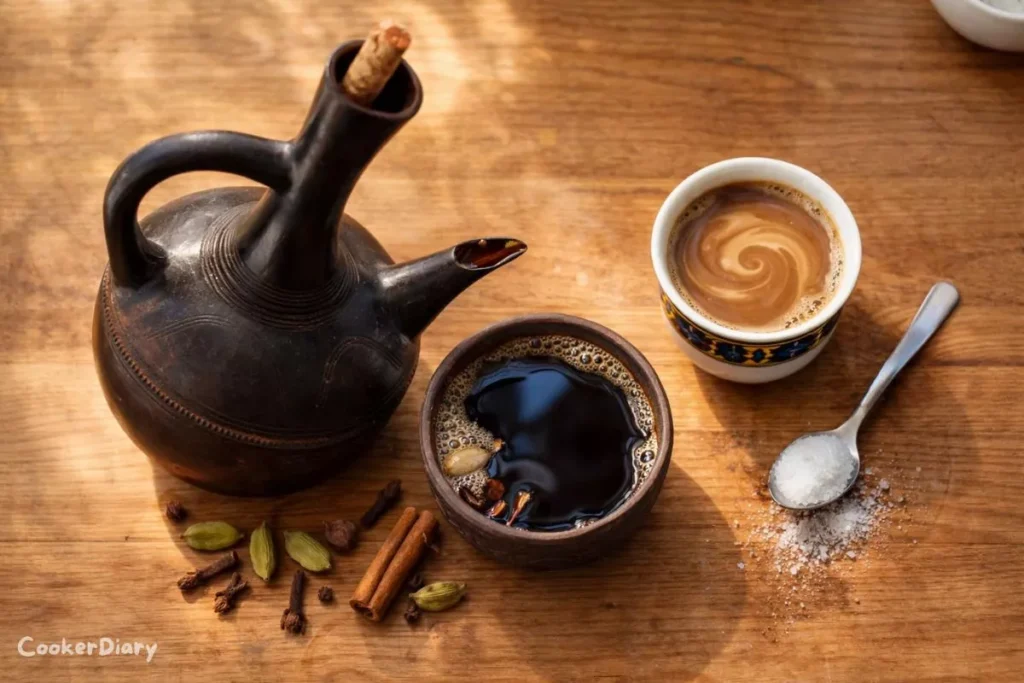
Traditional African Coffee Recipe is more than just a morning beverage—it’s a ritual that has been passed down through generations. From the aromatic highlands of Ethiopia to the sun-kissed coffee farms of Kenya, this coffee connects people, culture, and tradition in a single cup. I remember the first time I brewed African coffee at home; the rich aroma filled the kitchen and transported me to a bustling Ethiopian coffee ceremony, complete with laughter, conversation, and a sense of community.
Why This Traditional African Coffee Recipe Works
Making traditional African coffee is about balancing flavor, aroma, and cultural authenticity. Here’s why this recipe stands out:
- Rich cultural heritage: Uses traditional methods like roasting beans and brewing in a Jebena or small saucepan.
- Unique flavor profile: African Arabica beans offer natural sweetness, enhanced by spices like cardamom, cloves, and cinnamon.
- Simple, accessible ingredients: No exotic items required—just quality coffee beans, spices, and water.
- Customizable taste: Spice levels and sweetness can be adjusted to suit personal preference.
Ethiopia and Kenya are particularly renowned for their Arabica beans, providing coffee lovers with a naturally complex and aromatic flavor that makes this recipe truly special.
Traditional African Coffee Recipe
Recipe at a Glance
| Prep Time | Cook Time | Total Time | Servings | Cuisine | Difficulty |
|---|---|---|---|---|---|
| 10 mins | 15 mins | 25 mins | 4 | African | Easy |
Equipment: Amazon’s Overall Picks
- Coffee grinder
- Jebena (traditional Ethiopian coffee pot)
- Small saucepan
- Measuring spoons
- Coffee cups

Brew and enjoy your espresso like a barista with this Espresso Cups Set of 2. Each 4 OZ cup features double spouts and a handle, ideal for precise shots and creamy milk froth. Perfect for your espresso machine and coffee rituals.
As an Amazon Associate, I earn from qualifying purchases, at no additional cost to you.
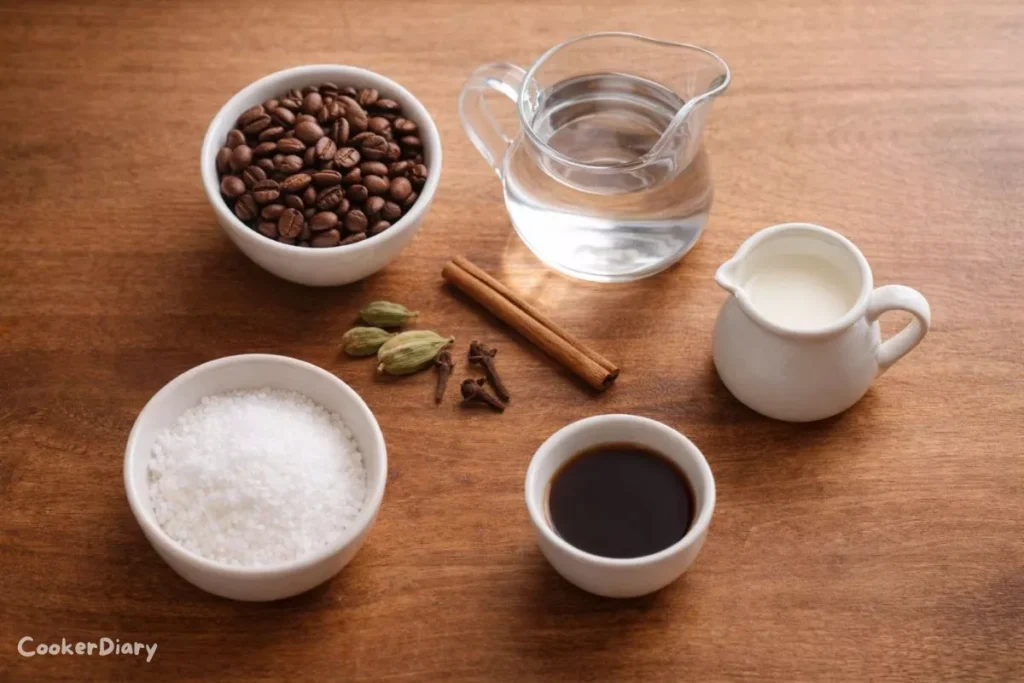
African Coffee Recipe Ingredients
| Ingredient | Amount |
|---|---|
| African Arabica coffee beans | ¼ cup (medium roast) |
| Water | 2 cups |
| Cardamom pods | 2–3 |
| Cloves | 2 |
| Cinnamon stick | 1 small |
| Sugar (optional) | 1–2 tsp |
| Milk (optional) | ¼ cup |
Ingredients Tips or Substitutes
- Use pre-ground Arabica coffee if you don’t have a grinder.
- Substitute cloves with nutmeg for a slightly different flavor profile.
- Adjust sugar or skip entirely for a stronger, traditional taste.
- Experiment with ginger or allspice for a regional twist.
Recipe Instructions
- Grind the coffee beans to a medium-coarse texture.
- In a Jebena or small saucepan, combine water and whole spices; bring to a gentle boil.
- Add coffee grounds to the boiling water and stir gently.
- Reduce heat and simmer for 5–7 minutes until the coffee thickens slightly.
- Remove from heat and let grounds settle for 2 minutes.
- Pour carefully into cups, straining if desired, and serve with optional milk or sugar.

Chef’s Tips and Variations
- Toast coffee beans lightly for a richer aroma.
- Experiment with cinnamon, cardamom, or even ginger for different flavors.
- Brew using a French press if a Jebena isn’t available.
- Serve alongside traditional Ethiopian snacks like injera or dates.
- For a stronger taste, increase coffee grounds slightly and reduce water.
- Try cold brewing for a refreshing iced version while retaining the aromatic spices.

Discover more related recipes:
- Homemade Ice Latte Recipe
- Pineapple Cranberry Juice Recipe
- Pumpkin Spice Milkshake Recipe
- Witches Brew Punch
Nutrition Information
| Nutrient | Amount per Serving |
|---|---|
| Calories | 5 kcal |
| Protein | 0.1 g |
| Fat | 0 g |
| Carbohydrates | 1 g |
| Fiber | 0 g |
| Sugar | 1 g |
| Caffeine | 95 mg |
FAQs
African coffee refers to coffees grown across the continent, notably in Ethiopia, Kenya, and Tanzania. It is not a single drink but encompasses diverse brewing styles, from Ethiopian spiced ceremonies to strong, chicory-blended brews in North Africa. The beans are often known for bright, fruity, and complex flavors.
For a popular style, brew strong coffee and add sweetened condensed milk. For spiced versions, simmer grounds with spices like cardamom or ginger. Methods vary widely across the continent, from Moroccan café noir to Kenyan filter coffee.
Roast green beans lightly in a pan, then grind them finely. Boil the grounds with water in a jebena clay pot. Let grounds settle, then pour carefully. Serve in small cups with sugar or salt, often alongside popcorn or incense in a ceremonial setting.
Common spices are cardamom, cinnamon, cloves, and ginger. These are often simmered with the coffee grounds in the jebena pot. The blend, called bunna, creates a fragrant, spiced coffee that is central to social and ceremonial gatherings.
Bringing the African Coffee Tradition to Your Home
Brewing this Traditional African Coffee Recipe is more than making a drink—it’s creating an experience. By following this recipe, you connect with a rich cultural heritage, explore complex flavors, and bring the aromatic traditions of African coffee into your kitchen. Sharing it with friends and family adds another layer to this sensory journey, making it a ritual to enjoy again and again.
Whether you follow it exactly or customize spices and sweetness, this recipe allows you to celebrate the bold, aromatic, and deeply rooted traditions of African coffee.
Disclaimer: This post contains affiliate links. As an Amazon Associate, I earn from qualifying purchases at no extra cost to you. Nutrition information is estimated based on standard ingredients and preparation; actual values may vary.