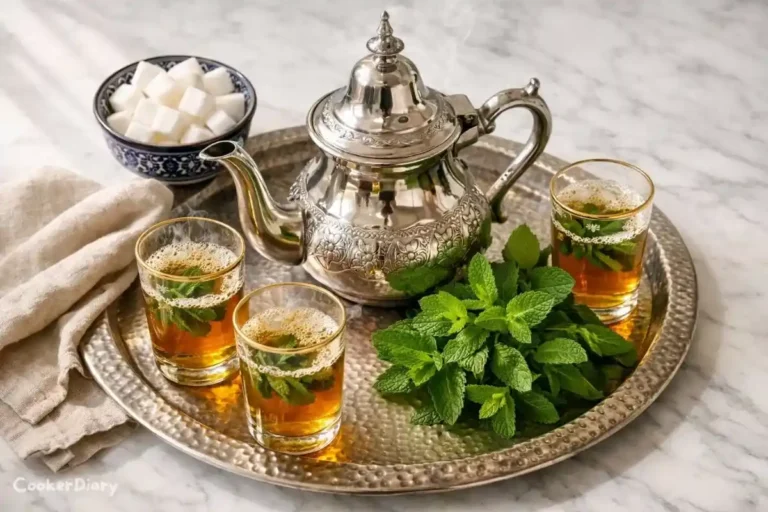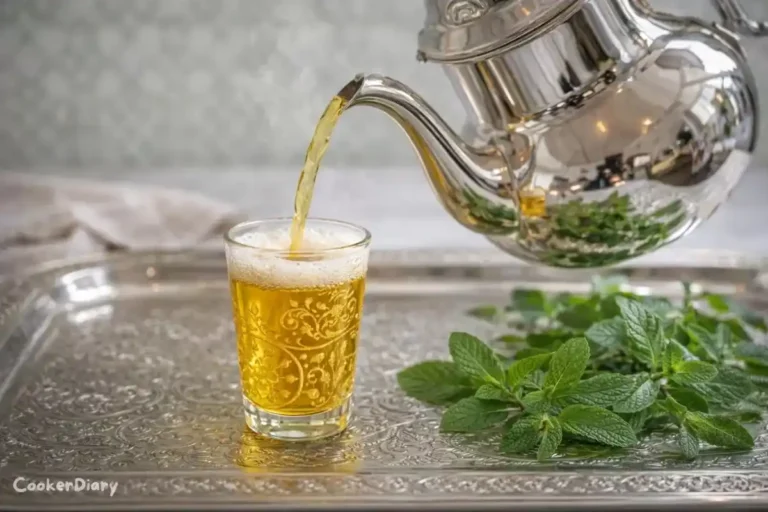
Classic African Tea Recipe

African tea recipe traditions carry stories of warmth, community, and comfort across generations. In many East African homes, preparing tea is not just about making a beverage. Instead, it represents hospitality and shared moments among family and friends. I remember visiting a friend whose Kenyan grandmother brewed tea every morning, and the entire home filled with the aroma of simmering ginger and cardamom. That simple ritual turned an ordinary morning into a memorable experience.
Why This African Tea Recipe Works
- Uses authentic East African brewing techniques that preserve traditional flavor
- Balances strong black tea with aromatic spices for a layered taste
- Creates a creamy texture through a precise milk-to-water ratio
- Requires simple ingredients found in most kitchens
- Allows customization of sweetness and spice intensity
- Provides cultural authenticity while remaining beginner-friendly
Classic African Tea Recipe
Recipe at a Glance
| Prep Time | Cook Time | Total Time | Servings | Cuisine | Difficulty |
|---|---|---|---|---|---|
| 5 minutes | 10 minutes | 15 minutes | 4 cups | East African | Easy |
Equipment: Amazon’s Overall Picks
- Medium saucepan
- Measuring cups and spoons
- Wooden spoon
- Fine mesh strainer
- Teapot or serving jug
- Teacups or mugs.

Surprise her with the elegant OEAGO Enamel Glass Mug, a stunning tea and coffee cup designed to make every sip feel special. With its beautiful floral design and durable glass craftsmanship, it’s a thoughtful gift perfect for Valentine’s Day, birthdays, Mother’s Day, or simply showing appreciation.
As an Amazon Associate, I earn from qualifying purchases, at no additional cost to you.
Classic African Tea Ingredients
| Ingredient | Quantity | Purpose |
|---|---|---|
| Water | 2 cups | Base for brewing tea |
| Whole milk | 2 cups | Provides creamy texture |
| Black tea leaves or tea bags | 2 tablespoons or 2 bags | Adds bold flavor |
| Fresh ginger (crushed) | 1 tablespoon | Adds warmth and spice |
| Cardamom pods (crushed) | 3 pods | Adds sweet aroma |
| Cinnamon stick | 1 small | Enhances flavor depth |
| Sugar | 2–3 tablespoons | Adds sweetness |

Ingredient Tips or Substitutes
- Whole milk can be replaced with almond or oat milk for dairy-free options.
- Ground ginger works if fresh ginger is unavailable; however, use smaller amounts.
- Honey or jaggery provides natural sweetness and richer flavor.
- Loose leaf tea creates stronger aroma compared to tea bags.
- Cloves or nutmeg can be added for deeper spice complexity.
Recipe Instructions
- Pour water into a medium saucepan and bring it to a gentle boil.
- Add crushed ginger, cardamom pods, and cinnamon stick. Therefore, the spices release their essential oils.
- Let the mixture simmer for about 3 to 4 minutes.
- Add black tea leaves or tea bags and continue simmering for 2 minutes.
- Pour in milk and stir slowly. In addition, watch the color deepen into a rich brown tone.
- Add sugar and stir until dissolved.
- Allow the tea to simmer for another 2 to 3 minutes. However, avoid over-boiling to prevent bitterness.
- Remove from heat and strain tea into cups or a serving teapot.
- Serve hot and enjoy immediately.
A good visual sign that the tea is ready is the deep caramel color and strong aromatic fragrance.

Chef’s Tips and Variations
- Simmer tea slowly because rapid boiling can create bitterness.
- Slightly crush spices before brewing to release stronger flavor.
- Adjust milk ratio if you prefer lighter or creamier tea.
- Add vanilla extract for a modern twist.
- Use brown sugar or jaggery for traditional sweetness.
- Pair tea with mandazi or fried dough snacks for an authentic experience.
- Brew tea slightly longer if you prefer stronger caffeine content.
- Add a pinch of black pepper for additional warming spice.

Discover more drink recipes:
- Traditional African Coffee Recipe
- Non-Alcoholic Christmas Punch Recipe
- Creamy Cranberry Smoothie Recipe
- Pineapple Cranberry Juice Recipe
- Homemade Ice Latte Recipe
Nutrition Information
| Nutrient | Amount Per Serving |
|---|---|
| Calories | 120 kcal |
| Protein | 4 g |
| Carbohydrates | 15 g |
| Sugars | 12 g |
| Fat | 5 g |
| Saturated Fat | 3 g |
| Calcium | 150 mg |
| Caffeine | 40 mg |
FAQs
Common ingredients are black tea leaves, milk, water, sugar, and fresh ginger. Spices like cardamom, cinnamon, or cloves are often added. In some regions, mint or lemongrass is used.
Rooibos tea is hugely popular in Southern Africa. Strong, milky black tea (like Kenyan or Moroccan mint tea) is also a daily staple across much of the continent.
This refers to traditional herbal infusions using plants like rooibos, buchu, ginger, moringa, or devil’s claw. They are used in various cultures to support wellness, digestion, or immunity.
1.Boil water.
2. Add black tea leaves and grated ginger.
3. Boil 2-3 minutes.
4. Add milk and sugar.
5. Boil 2 more minutes.
6. Strain and serve hot.
Key is boiling the tea with milk for a strong, smooth flavor.
Bringing African Tea Traditions to Your Kitchen
Preparing this classic african tea recipe allows you to experience East African culture through a simple yet meaningful beverage. Tea brewing in African households often represents connection and relaxation. For example, many families prepare tea during breakfast or afternoon gatherings, creating moments of togetherness.
Furthermore, this recipe offers flexibility, allowing you to adjust spices and sweetness to match your personal taste. Therefore, it becomes easy to adapt the drink while maintaining its cultural roots. The comforting aroma, creamy texture, and bold flavor make African tea a timeless beverage suitable for daily enjoyment or special occasions.
By following these traditional brewing techniques, you can recreate an authentic experience that connects history, culture, and flavor in every cup.
This article may contain Amazon affiliate links. As an Amazon Associate, Cookerdiary earns from qualifying purchases at no additional cost to readers. Nutrition values are estimates based on standard ingredient data and may vary depending on preparation methods and product brands.