15 Kitchen Safety Rules You Should Never Ignore
Every kitchen tells a story. Some are filled with holiday meals, late-night cravings, or weekend baking marathons. But behind the joy of cooking lies a space filled with sharp tools, open flames, and electrical appliances. In my early twenties, I once left oil heating on the stove while answering a phone call—within minutes, the pan was on fire. That moment taught me a hard but important lesson: kitchen safety isn’t optional.
Whether you’re a beginner cook or a seasoned home chef, following the right safety rules can protect you, your family, and your home from preventable dangers. Let’s walk through the 15 kitchen safety rules you should never ignore.

Fire and Heat Hazard Safety Rules
1. Never Leave Cooking Unattended to Ensure Kitchen Safety
Leaving cooking unattended is one of the most common and dangerous mistakes in the kitchen. According to the National Fire Protection Association, unattended cooking is the number one cause of home kitchen fires. It only takes a few seconds for oil to overheat, boil over, or catch fire.
Always stay close when you’re frying, grilling, or boiling. Even if you think you’ll be away for just a minute, step away only after turning off the heat. It’s not worth the risk. Fires spread quickly, and smoke can overwhelm a room in seconds. If you must step away, either remove the pan from the heat or have someone stay and watch it.
Timers can help remind you to check on food. Smart kitchen devices can also notify you immediately when food starts to burn. But the best defense is simple—stay present. Your attention is the most powerful safety tool in the kitchen.
2. Keep Flammable Items Away from Heat for Better Kitchen Safety
Fires often start from the smallest things—like a kitchen towel tossed too close to a burner. Paper products, wooden utensils, food packaging, and plastic containers are all flammable. These everyday items can ignite quickly if placed near a hot surface.
Always keep at least a three-foot safety zone around your stove and other heat sources. This includes the back burners and oven vents. It’s easy to set something down while cooking and forget it’s near an open flame or a hot coil.
In addition, avoid using loose-fitting clothing or hanging sleeves when cooking. They can brush against a burner or pan without you noticing. Choose tighter sleeves or roll them up to stay safe. A small change in your routine can make a big difference in avoiding fire hazards.
3. Have a Class K Fire Extinguisher Handy for Kitchen Safety
Not all fire extinguishers are created equal. In the kitchen, a grease fire is your biggest threat. Pouring water on a grease fire can cause it to explode, sending flames and hot oil across the room. This is why you need a Class K fire extinguisher—it’s specifically designed to fight fires caused by cooking oils and fats.
Place the extinguisher somewhere visible and easy to reach—ideally near the kitchen exit, not directly next to the stove. In case of a fire, you want to grab it quickly without reaching over flames.
It’s also crucial to know how to use it before you actually need it. Take a moment to read the instructions or watch a quick video demonstration. Most extinguishers use the PASS method: Pull the pin, Aim at the base of the fire, Squeeze the handle, and Sweep from side to side.
Finally, check the pressure gauge regularly to make sure the extinguisher is charged and ready. A working fire extinguisher can stop a small fire from becoming a tragedy—but only if you know how to use it.
Related article: Kitchen Fires: Top Causes and How to Avoid Them
Table: Fire Safety Equipment and Purpose
| Equipment | Purpose |
|---|---|
| Class K Extinguisher | For grease and oil fires |
| Smoke Detector | Alerts you to smoke presence |
| Stove Guard | Automatically shuts off stove if needed |
Knife and Equipment Handling for Kitchen Safety
4. Always Cut on a Stable Surface to Improve Kitchen Safety
Chopping vegetables or slicing meat on an unstable surface is a recipe for injury. A moving cutting board can shift unexpectedly, causing the knife to slip. Even slight instability can result in serious injuries.
To avoid this, always use a cutting board with a non-slip base. If your board doesn’t have grips, place a damp kitchen towel or paper towel underneath. This simple trick helps keep it firmly in place.
Stability is key to safe cutting. It allows you to apply steady pressure and maintain full control of the knife. When your tools and surfaces are secure, your hands are much safer.
5. Store Knives Safely to Maintain Kitchen Safety
How you store your knives matters as much as how you use them. Tossing them into a drawer not only dulls the blades but also creates a hidden hazard. Reaching into a cluttered drawer can result in painful cuts or worse.
Instead, use a knife block, magnetic wall strip, or drawer insert with individual slots. Blade guards are another good option, especially if you have limited space.
Proper storage extends the life of your knives. More importantly, it keeps your hands protected every time you cook. A few moments of organization can prevent years of injury risk.
6. Unplug Appliances When Not in Use
Kitchen appliances like blenders, toasters, and mixers may seem harmless when idle. But leaving them plugged in poses a hidden threat. A curious child, a power surge, or a simple bump could turn them on by accident.
Unplugging appliances after use does two things. First, it prevents unintended operation. Second, it reduces the risk of electrical fires. Many modern appliances continue to draw power even when off, increasing your energy bill.
So, make it a routine to unplug appliances right after use. This simple habit goes a long way in maintaining a safer, more efficient kitchen.
Food Safety and Hygiene Essentials for Kitchen Safety
7. Wash Hands and Surfaces Often to Promote Kitchen Safety
Clean hands are your first line of defense against foodborne illness. Before you touch any ingredients, wash your hands thoroughly. Wash with warm water and soap, scrubbing thoroughly for a minimum of 20 seconds.
Always wash your hands again after handling raw meat, eggs, or seafood. This simple habit cuts down the risk of transferring harmful bacteria to other foods.
Don’t stop with your hands. Wipe down counters, cutting boards, and kitchen tools often. A quick rinse isn’t enough. Use a disinfectant or hot, soapy water to clean properly.
Safe food starts with a clean kitchen. And that begins with clean hands and surfaces.
8. Prevent Cross-Contamination to Strengthen Kitchen Safety
Cross-contamination happens fast. A single mistake can turn properly handled food into a serious health risk. Raw meats carry bacteria that can spread to fresh produce and ready-to-eat foods.
To stop this, use separate cutting boards. Use one board for raw meat, a separate one for vegetables, and another for ready-to-eat foods like bread or cheese. Color-coded boards make this easier to remember.
Also, never reuse plates, utensils, or knives that touched raw meat without washing them first. Even tiny traces of raw meat juice can lead to foodborne illness.
Staying vigilant about cross-contamination may seem tedious, but it’s essential for maintaining a truly safe kitchen.
Table: Color-Coded Cutting Board Guide
| Color | Use |
| Red | Raw meats |
| Green | Fruits and vegetables |
| Yellow | Poultry |
| Blue | Fish and seafood |
| White | Dairy or bakery items |
9. Store Food at Safe Temperatures to Support Kitchen Safety
Proper food storage is crucial to prevent harmful bacteria from multiplying. Perishable items like meat, dairy, and cooked leftovers need to be refrigerated promptly—ideally within two hours after cooking or purchasing.
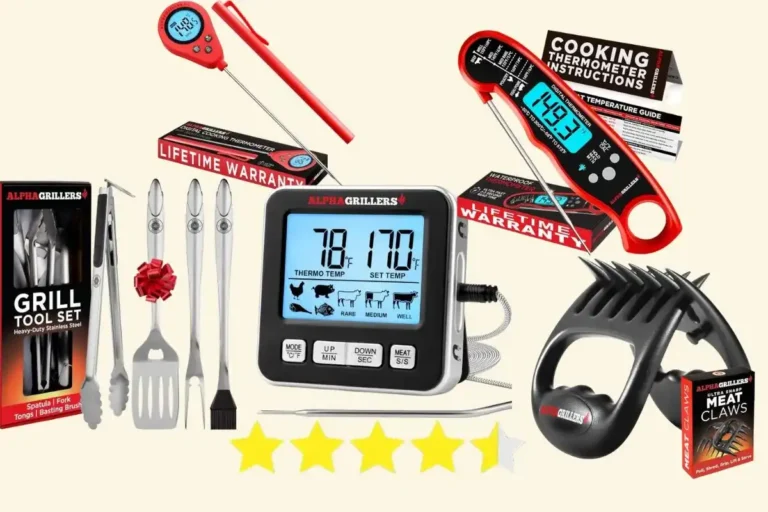
Maintain your refrigerator at 40°F (4°C) or below to ensure food stays safe and fresh. This slows bacterial growth and keeps food fresh longer. Use a fridge thermometer to monitor the temperature accurately since many built-in dials can be unreliable.
When reheating cooked foods, use a food thermometer to check the internal temperature. Most leftovers should reach at least 165°F (74°C) to ensure any bacteria are killed.
By following these simple temperature rules, you reduce the risk of foodborne illnesses and protect your family’s health.
Kitchen Safety Tips for Kids and Families
10. Use Childproof Locks and Guards for Your Kitchen Safety
Keeping children safe in the kitchen requires extra precautions. Installing stove knob covers prevents little hands from accidentally turning burners on. Similarly, cabinet locks keep sharp tools, cleaning chemicals, and other hazards out of reach.
These childproof devices are easy to install and highly effective. They provide peace of mind, especially when you can’t watch your kids every second. In addition, they help prevent accidental burns, cuts, or poisoning.
11. Set Kitchen Boundaries for Young Children
Creating physical boundaries teaches children where it’s safe to be. Use tape, colored mats, or rugs to mark zones that are off-limits, such as near the stove or oven.
This simple visual cue helps kids understand kitchen rules without constant reminders. When children see clear boundaries, they learn to respect the safe and unsafe areas naturally.
12. Teach Kids Safe Habits Early to Foster Kitchen Safety
Involving children in the kitchen is both enjoyable and a valuable learning experience. Start with small, safe tasks like washing vegetables or stirring batter under your supervision.
Teaching kids about cleanliness, sharp objects, and hot surfaces from an early age builds their awareness. They learn responsibility and develop skills that keep them safe.
Early lessons in kitchen safety not only protect kids but also prepare them for independent cooking in the future.
Slips, Spills, and Physical Kitchen Safety
13. Clean Up Spills Immediately to Maintain Kitchen Safety
Slips and falls are among the most common kitchen accidents. Water, oil, or even small food scraps on the floor can cause serious injuries. Therefore, it’s essential to clean up any spills as soon as they happen.
Don’t wait or assume someone else will handle it. Dry the area completely using a mop or an absorbent cloth. By staying proactive, you protect yourself and others from unnecessary accidents.
14. Wear Closed-Toe, Non-Slip Shoes for Your Kitchen Safety
Your choice of footwear matters more than you might think. Kitchen floors often become wet or greasy, increasing the risk of slips. Wearing closed-toe shoes protects your feet from hot spills and sharp dropped objects.
You can choose shoes with non-slip soles to enhance your grip. Even if your kitchen floor is clean, non-slip footwear provides an extra layer of safety. Taking this simple step lowers the chance of injury and helps you stay comfortable while cooking.
15. Keep Floors and Walkways Clear
Cluttered floors are a recipe for tripping hazards. Bags, electrical cords, and kitchen tools left on the floor can lead to falls or hinder your movement during busy cooking times.
Develop the habit of keeping walkways tidy and free of obstacles. Store bags and cords properly and put tools away immediately after use. A clean and tidy kitchen floor improves safety and efficiency alike.
Kitchen Safety Checklist (Summary Table)
| Safety Area | Key Practice |
| Fire Safety | Stay attentive, use correct tools |
| Knife Safety | Stable cutting, safe storage |
| Food Hygiene | Wash hands, avoid cross-contamination |
| Child Safety | Use locks, define safe zones |
| Slip Prevention | Clean spills, wear proper shoes |
FAQ: Kitchen Safety
What are the 5 basic kitchen safety rules?
- Don’t leave cooking unattended.
- Wash your hands regularly.
- Keep knives stored properly.
- Clean spills immediately.
- Prevent cross-contamination.
How can I make my kitchen safer for kids?
Making your kitchen safe for children requires a combination of tools and teaching. First, install childproof devices like stove knob covers and cabinet locks to block access to dangerous areas. Next, set up clear no-go zones using tape or barriers, so kids learn where they shouldn’t enter. Additionally, teach them safe kitchen habits early by involving them in supervised tasks, such as washing vegetables or stirring. This approach builds their awareness and respect for safety rules. Together, these steps create an environment where children can be curious yet protected.
What should I do during a grease fire?
If a grease fire starts, staying calm and responding swiftly is crucial. Immediately turn off the heat source to stop feeding the fire. Never use water to put out a grease fire, as it can make the flames spread quickly. Instead, smother the fire by covering the pan with a metal lid or sprinkling baking soda over the flames. If the fire grows, use a Class K fire extinguisher designed for kitchen grease fires. Always keep an exit route clear and call emergency services if you cannot control the fire.
How often should I check kitchen safety equipment?
Regular checks are essential to keep your kitchen safety equipment functional. Test smoke detectors monthly by pressing the test button to confirm the alarm is working properly. Batteries should be replaced twice a year or as soon as you notice any weakness. Fire extinguishers require a more thorough inspection once a year, including checking the pressure gauge and physical condition. Additionally, keep track of expiration dates and have them serviced or replaced as recommended. Staying on top of maintenance ensures your equipment works when you need it most.
Is it safe to wear sandals or slippers in the kitchen?
Wearing sandals or slippers in the kitchen is not safe because they offer little protection. Your feet are vulnerable to burns from hot spills, cuts from dropped knives, or injuries from heavy objects falling. Moreover, slippers often lack proper grip, increasing the risk of slipping on wet or greasy floors. Instead, choose closed-toe shoes with non-slip soles to protect your feet and maintain stability. This small change significantly reduces accidents and helps you move confidently while cooking.
Final Thoughts: Cook Safely, Cook Confidently
A safe kitchen is a happy kitchen. Following these 15 rules won’t just protect you from fire, injury, or foodborne illness—they’ll help you enjoy cooking without fear. By turning these safety practices into daily habits, you turn your kitchen into a space of creativity, nourishment, and joy. Because in the end, every great meal starts with a safe environment.