Best Cold Pressed Grape Juice Recipe
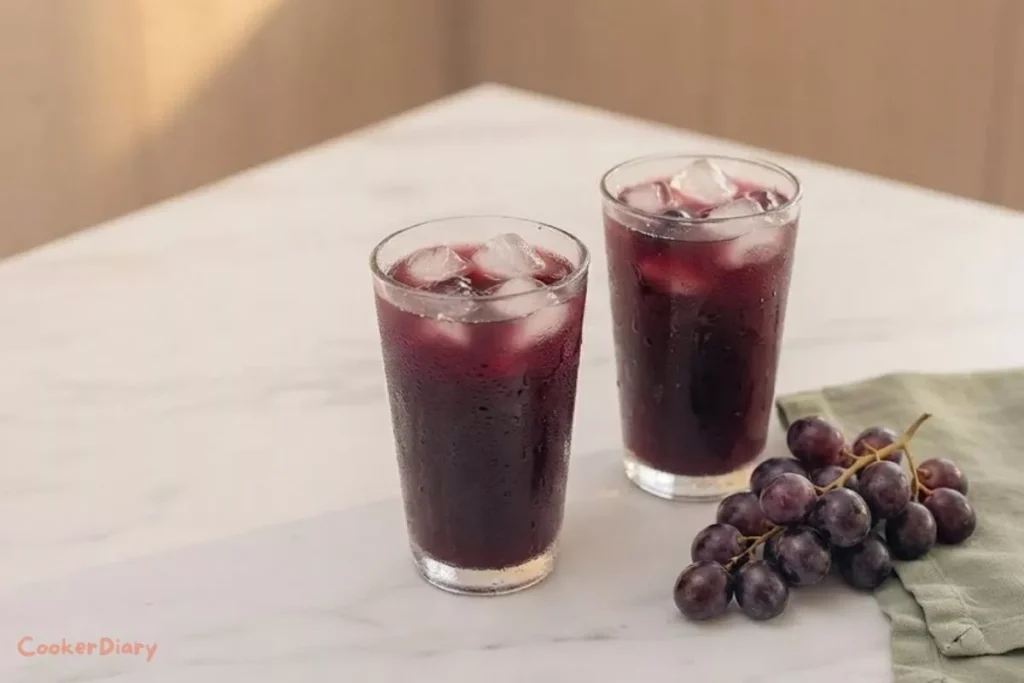
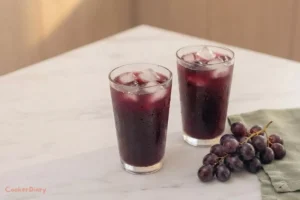
Cold pressed grape juice is one of the easiest, most refreshing drinks you can make in your own kitchen, and honestly, it tastes nothing like the bottled stuff from the store. In addition, this method keeps almost all the natural nutrients intact because it never exposes the fruit to heat or fast-spinning blades. Therefore, every sip is bursting with real grape flavor, vibrant color, and a naturally sweet taste that needs no added sugar. Whether you are searching for a healthier breakfast drink, a post-workout refresher, or simply a way to use up a big bag of grapes before they go bad, this recipe checks every box. On the other hand, if you have never used a cold press juicer before, don’t worry, this guide walks you through every single step so you can’t go wrong.
Why This Cold Pressed Grape Juice Recipe Works
This cold pressed grape juice recipe stands out because it relies on a slow, gentle extraction process instead of fast spinning blades. As a result, the juice keeps more vitamins, antioxidants, and natural enzymes compared to regular centrifugal juicing. Furthermore, the flavor comes out richer and less watery, so you actually taste the grapes instead of diluted juice.
Here’s what makes it a reader favorite:
- No added sugar needed – ripe grapes are naturally sweet enough on their own.
- Only one main ingredient – grapes are the star, so shopping is quick and simple.
- Ready in under 15 minutes – perfect for busy mornings or last-minute guests.
- Naturally rich in antioxidants – cold pressing preserves polyphenols that heat destroys.
- Kid-friendly and customizable – add ginger, lemon, or mint for a grown-up twist.
- Great for meal prep – store it in sealed bottles for up to 3 days in the fridge.
Must-Have Recipe Equipment
- Cold press (masticating) juicer
- Large colander or strainer
- Sharp paring knife
- Wooden cutting board
- Fine mesh strainer or cheesecloth (optional, for extra-smooth juice)
- Glass mason jar pitcher or glass bottles with airtight lids
- Measuring cups

- NON-STOP JUICING: This powerful masticating juicer’s high-torque motor powers through tough fruits and vegetables like a…
- CUSTOMIZE & CONTROL PULP: Includes 2 interchangeable pulp filters so you can choose Less Pulp or Lots of Pulp, giving yo…
- SIMPLE ONE-TOUCH PROGRAMS: Easy operation with 2 convenient programs: Start/Stop and Reverse. Reverse function helps red…
*CookerDiary may contain Amazon affiliate links. This means we may earn a small commission at no extra cost to you if you purchase a product through one of these links. As always, we only recommend tools and products we genuinely trust and believe will help you in the kitchen.
How long does homemade cold pressed grape juice last in the fridge?
Homemade cold pressed grape juice typically lasts 2 to 3 days when stored in an airtight glass container in the refrigerator. In addition, keeping the juice as cold as possible and filling the container to the top (to limit air exposure) helps it stay fresher for longer. However, unlike store-bought juice, this homemade version has no preservatives, so it’s best enjoyed within the first 48 hours for peak flavor and nutrition.
Do I need to remove the seeds and skins before juicing grapes?
No, you generally don’t need to remove the seeds and skins before cold pressing grapes, since a cold press juicer is designed to separate the juice from the solids automatically. In fact, leaving the skins on actually boosts the nutritional value of your juice, because grape skins are rich in antioxidants like resveratrol. However, it’s still important to remove the stems beforehand, as they can affect the taste and may cause a bitter note in the finished juice.
Discover these juice recipes too:
- Best Organic Pom Juice Recipe
- Pineapple Cranberry Juice Recipe
- Fresh Watermelon Juice with Mint & Lime
- Best Pomegranate Juice Recipe
The Story Behind This Cold Pressed Grape Juice Recipe
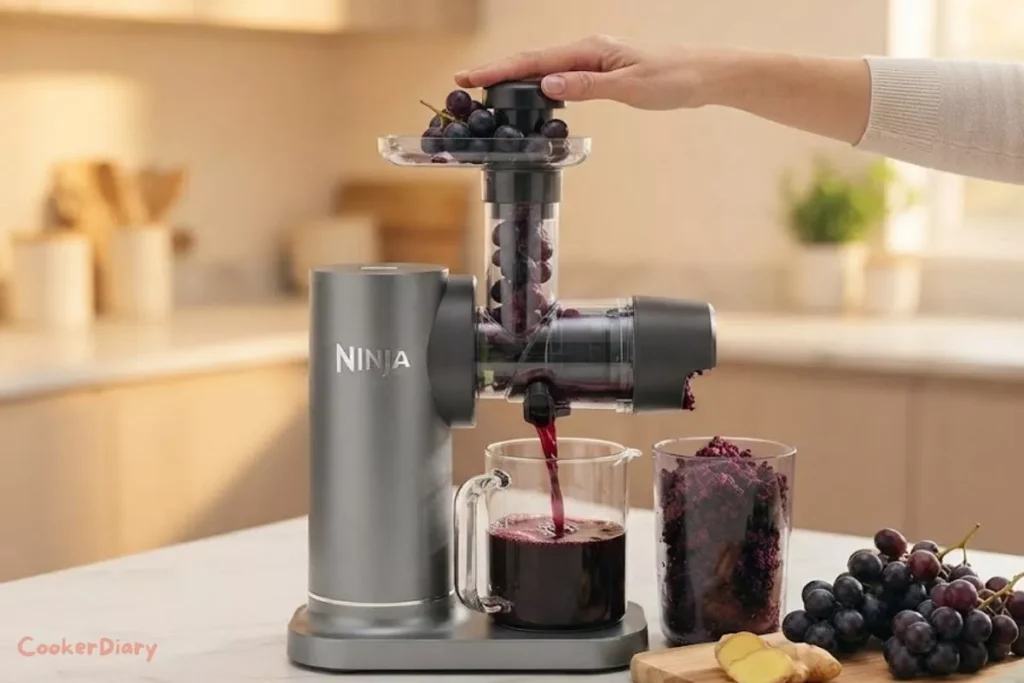
This cold pressed grape juice recipe was inspired by traditional Mediterranean juice-making methods, where grapes have been pressed by hand for centuries to make both juice and, eventually, wine. However, instead of a wine press, we’re using a modern cold press juicer to get the same gentle extraction in a fraction of the time. In addition, this method has become increasingly popular because it avoids the heat and oxidation that regular blenders or centrifugal juicers cause, which means your grape juice stays fresher, tastes purer, and holds onto more of its natural color.
One question readers ask often is whether the type of grape matters. For example, red or purple grapes will give you a deep, jewel-toned juice with a slightly bolder flavor, while green grapes produce a lighter, more delicate taste. Therefore, feel free to experiment with both, or even mix them, to find your favorite combination. Another common note: always choose seedless grapes when possible, since seeded varieties can make the cold press process slightly messier, although the juicer will still work fine either way.
FAQs About Cold Pressed Grape Juice
Yes, it is highly beneficial. Cold pressing preserves heat-sensitive vitamins, minerals, and antioxidants like flavonoids and resveratrol. It also contains significant polyphenols that protect against heart disease and may have anti-inflammatory properties. Studies suggest cold-pressed grape juice retains more bioactive compounds than heat-treated concentrates, while also reducing LDL cholesterol levels.
Cold-pressed juice has several drawbacks. It is significantly more expensive than conventional juice due to the extraction process. It also lacks the fiber found in whole fruits, which can affect blood sugar regulation. Additionally, its short shelf life (3-5 days) makes spoilage a concern. Without pasteurization, there is an increased risk of foodborne illness. The process also has a limited yield and requires considerable cleanup.
Yes, grapes are one of the most suitable fruits for cold pressing. The resulting juice retains a high concentration of beneficial antioxidants, including resveratrol, which may be higher than in conventionally processed juice. For home cold pressing, you need a specialized masticating juicer that grinds and presses grapes, then strains the juice through a fine mesh.
The healthiest option is 100% organic Concord grape juice that is cold-pressed and pasteurized. It provides the highest concentration of polyphenols, antioxidants, and resveratrol. Alternatively, 100% grape juice from the “USDA Organic” section offers similar benefits. For a reliable choice, look for R.W. Knudsen’s Concord Grape Juice. Always check labels for added sugar and choose pure, unsweetened varieties.
Nutrition Values (per serving, approximate):
- Calories: 130 kcal
- Carbohydrates: 33 g
- Sugar: 28 g
- Fiber: 1 g
- Protein: 1 g
- Fat: 0 g
- Vitamin C: 6% DV
- Potassium: 8% DV
Nutritional information provided in this recipe is an estimate only and may vary based on the specific ingredients, brands, and quantities used. For precise dietary needs, please consult a registered nutritionist or use a dedicated nutrition calculator.
Cold Pressed Grape Juice Recipe
Equipment
- Cold press (masticating) juicer Slow-speed juicer works best to preserve nutrients
- Colander For rinsing grapes
- Paring knife For removing stems
- Cutting board Wooden or plastic
- Fine mesh strainer or cheesecloth Optional, for smoother juice
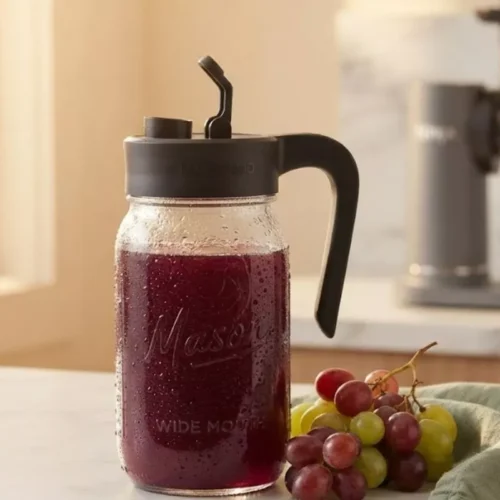
- Glass mason jars or bottles For storing finished juice
- Measuring cup For portioning juice
Ingredients
- 4 cups Seedless red or green grapes Rinsed and stems removed
- 1 tsp Fresh lemon juice Optional, adds brightness and prevents browning
- 1 slice Fresh ginger Optional, for a slight spicy kick
- 1 cup Cold water or ice Optional, to dilute if juice is too concentrated
Instructions
- Rinse the grapes thoroughly under cold running water using a colander, then remove all stems.
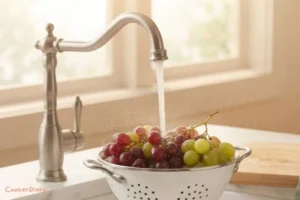
- Pat the grapes dry with a clean towel to prevent extra water from diluting the juice.
- Turn on your cold press juicer and slowly feed the grapes into the chute, a handful at a time.
- Add the optional ginger slice halfway through juicing for a subtle warm flavor.
- Once all the grapes are juiced, stir in the fresh lemon juice if using, to brighten the flavor and preserve color.
- Pour the fresh grape juice through a fine mesh strainer if you prefer a smoother, pulp-free texture.
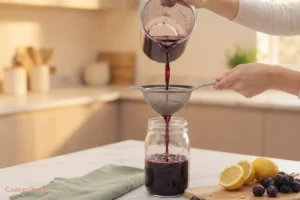
- Transfer the juice into glass jars or bottles, seal tightly, and chill in the refrigerator for at least 30 minutes.
- Serve cold, over ice if desired, and enjoy within 2 to 3 days for the best flavor and nutrition.