How to Make Creme Brulee Recipe
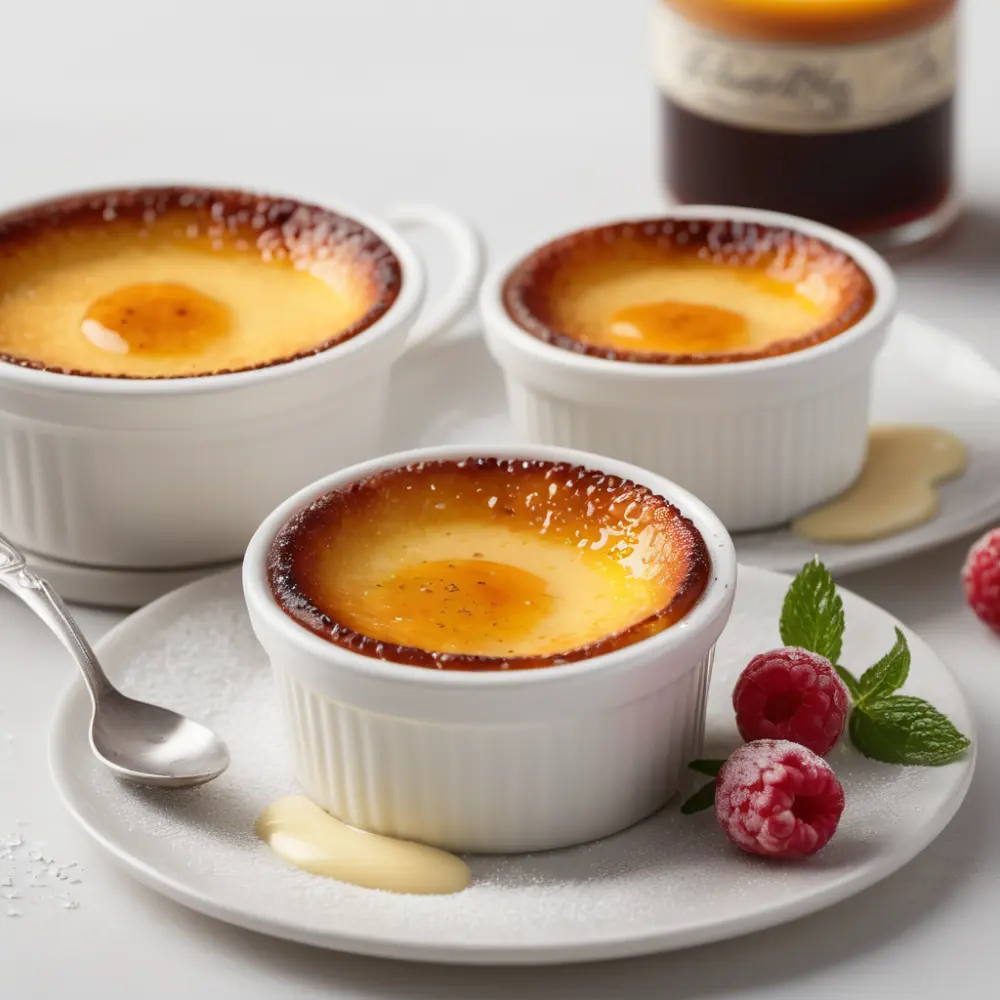
Crème brûlée or Creme Brulee is a classic French dessert loved for its rich, creamy custard and the contrast of its crispy, caramelized sugar topping. It’s a dish that feels fancy, but it’s surprisingly easy to make at home. Today, we’ll guide you through the process of making crème brûlée step-by-step, offering tips, variations, and answers to common questions. Whether you’re a seasoned baker or just starting, this easy recipe will help you create a dessert that will impress your friends and family.
Related: King Crab Brûlée Recipe: The Perfect Fusion of Sweet and Savory
What is Creme Brulee?
Crème brûlée is a traditional French dessert featuring a smooth custard base with a crispy layer of caramelized sugar on top. The name translates to “burnt cream,” referring to the caramelization process on the top layer. The custard typically consists of simple ingredients like heavy cream, egg yolks, sugar, and vanilla. After baking and chilling the custard, sprinkle sugar on top and caramelize it with a torch or broiler to create a crisp, sugary crust. The contrast between the creamy custard and the crunchy, caramelized top is what makes crème brûlée a beloved dessert around the world.
Equipment Needed for Creme Brulee
Here’s a quick list of the tools you’ll need to make this dessert:
- Ramekins (small baking dishes)
- Whisk
- Fine mesh sieve
- Kitchen torch (or broiler)
- Deep baking dish
- Small saucepan
Having the right equipment will make the process smoother, but don’t worry if you don’t have a kitchen torch. The broiler method works just as well.
Related: Easy Crab Brulee Recipe
Creme Brulee Recipe
Ingredients for Crème brûlée
To make crème brûlée, you’ll need just a few basic ingredients. Most of these are likely in your kitchen already:
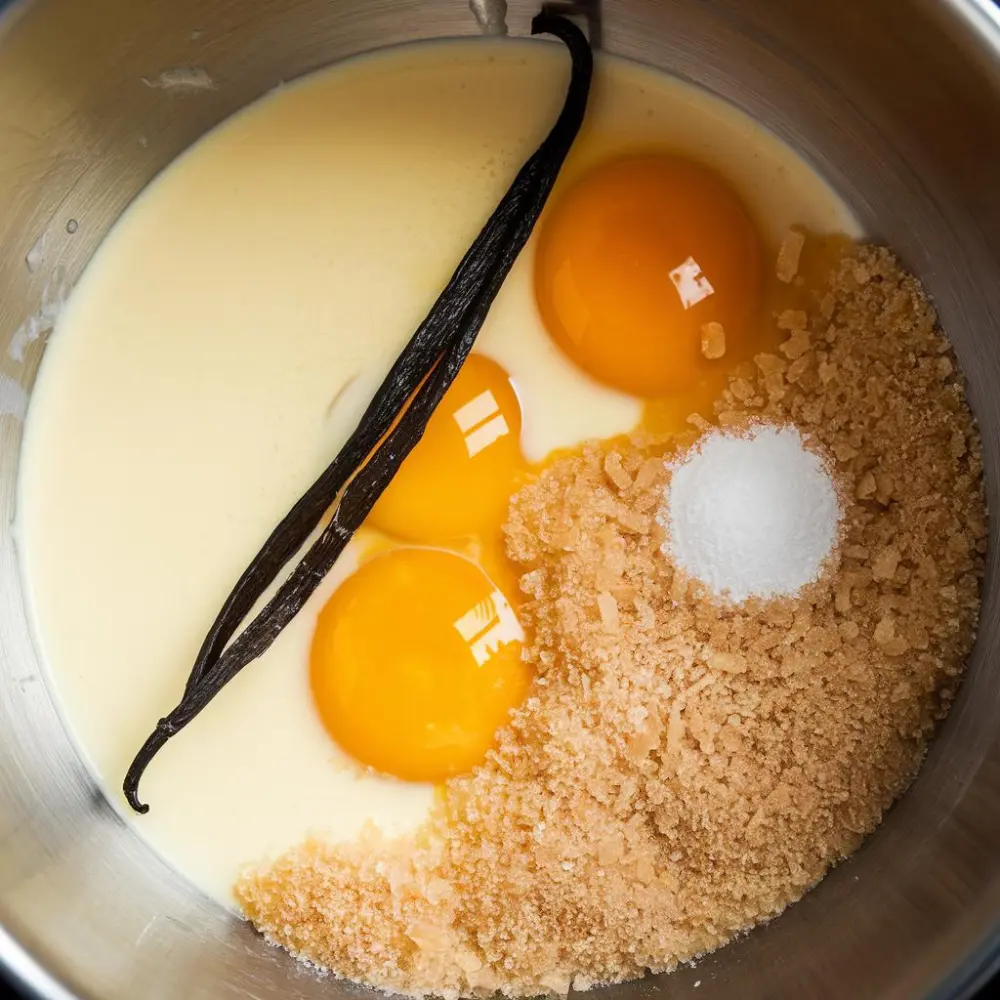
- 2 cups heavy cream
- 1 vanilla bean (or 1 teaspoon of vanilla extract)
- 5 large egg yolks
- ½ cup granulated sugar (plus extra for caramelizing)
- Pinch of salt
These simple ingredients are the foundation of the perfect crème brûlée. If you want to experiment with flavors, check out our tips and variations below.
Steps for Making Crème Brûlée
Making crème brûlée may sound intimidating, but follow these steps, and you’ll see it’s easier than you think.
Preheat the Oven
Begin by preheating your oven to 325°F (160°C). While the oven heats, gather all your ingredients and prepare them.
Heat the Cream
In a small saucepan, heat the heavy cream and vanilla bean (split and scraped) over medium heat. Do not let it boil—just warm it until you see small bubbles forming around the edges of the pan. Remove the cream from heat and let it cool slightly.
Whisk the Egg Yolks and Sugar
In a medium bowl, whisk the egg yolks, sugar, and salt together until the mixture becomes pale and thick. This step helps give the custard its smooth texture.
Combine the Egg Mixture with the Cream
Gradually add the warm cream to the egg mixture, stirring constantly to avoid cooking the eggs. Once everything is combined, strain the mixture through a fine sieve to remove any lumps or bits of egg.
Pour into Ramekins
Place your ramekins in a deep baking dish. Carefully divide the custard mixture among the ramekins, filling them about three-quarters full.
Bake in a Water Bath
The water bath ensures even cooking and helps the custard stay smooth without curdling. Pour hot water into the baking dish, filling it until the water reaches halfway up the sides of the ramekins. Bake for 40-45 minutes, or until the custard is just set but still slightly wobbly in the center.
Cool and Refrigerate
After baking, take the ramekins out of the water bath and allow them to cool down to room temperature. Then, refrigerate for at least 4 hours, or overnight if possible.
Caramelize the Sugar
Before serving, sprinkle a thin layer of sugar over the top of each custard. Using a kitchen torch, carefully melt the sugar until it forms a golden-brown crust. If you don’t have a torch, the broiler in your oven can also be used to caramelize the sugar on top but be sure to watch closely to prevent burning.
“Crème brûlée is typically considered a dessert rather than a meal and is best enjoyed after lunch or dinner. Its rich, creamy texture and sweet caramelized top make it an indulgent treat, often served in restaurants as a finishing touch to a fine meal. ” COOKERDIARY
Related: Chef Antoine-Augustin Parmentier: A Culinary Pioneer
Nutritional Information
Here’s the nutritional breakdown for one serving of crème brûlée (assuming six servings):
- Calories: 300
- Fat: 25g
- Carbohydrates: 20g
- Protein: 4g
- Sugar: 18g
Crème brûlée is a rich dessert, so keep that in mind if you’re watching your calorie intake. However, it’s a wonderful treat to enjoy in moderation.
Tips and Variations
Want to customize your crème brûlée? Here are some variations to try:
- Crème Brûlée with Milk: If you’re looking for a lighter version, you can replace half of the heavy cream with whole milk. The result will be slightly less rich but still creamy.
- Classic Crème Brûlée Recipe: Stick to the original recipe above for a traditional approach.
- Crème Brûlée by Alton Brown: Alton Brown’s version includes using a torch to caramelize the sugar, and he suggests placing the custards in the fridge before torching the sugar to ensure a cold custard with a crispy top. You can find his full recipe on the Food Network.
What’s the Difference Between Crème Brûlée and Custard?
The main difference between crème brûlée and custard lies in their preparation and final texture. While both are made with similar ingredients—typically milk or cream, egg yolks, and sugar—crème brûlée has a signature caramelized sugar topping, which gives it a crunchy layer. To create this, sugar is sprinkled on top of the chilled custard and then heated with a kitchen torch or broiler until it hardens.
Custard, on the other hand, doesn’t have this caramelized sugar topping. It’s usually served plain or topped with fruits or sauces, and its texture is softer and smoother. In short, crème brûlée is a type of custard, but the caramelized top sets it apart.
FAQs About Creme Brulee
Here are some common questions people have when making crème brûlée:
Can I make crème brûlée ahead of time?
Yes! You can prepare the custard up to 2 days in advance. Just keep it covered in the fridge. Caramelize the sugar just before serving.
What if I don’t have a kitchen torch?
The broiler in your oven can also be used to caramelize the sugar on top. Just keep an eye on it, as it can burn quickly.
Why is my crème brûlée too runny?
If the custard is too runny, it may have been undercooked. Make sure it’s set with a slight wobble before removing it from the oven. If it’s completely liquid, you may need to bake it longer.
What should the texture of crème brûlée be like?
The perfect crème brûlée should be creamy, smooth, and melt-in-your-mouth soft. It shouldn’t be firm or rubbery.

Conclusion
Crème brûlée is a dessert that’s sure to impress, yet it’s surprisingly simple to make at home. With just a handful of ingredients and a little patience, you can create this restaurant-quality treat in your kitchen. Whether you stick with the classic version or try one of the variations, the result will be a rich, creamy custard topped with a caramelized sugar crust that everyone will love.
So, give it a try! You’ll find that once you master this recipe, you’ll want to make it again and again.