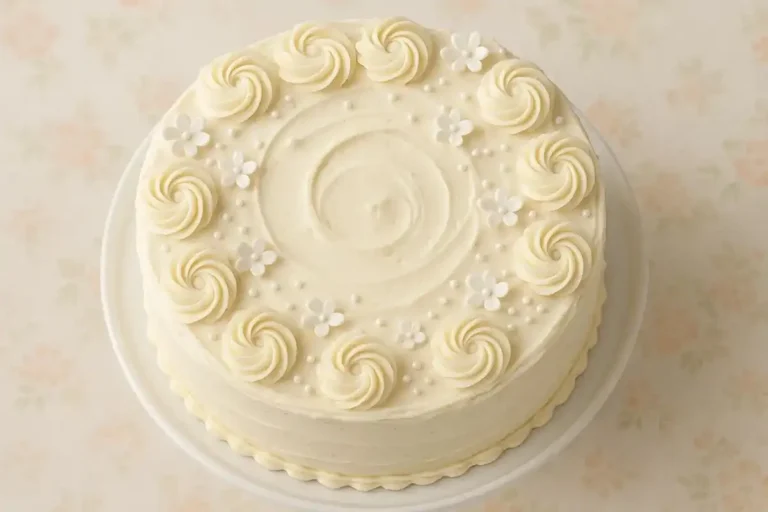
Best Homemade Japanese Cheesecake Recipe

Japanese cheesecake is one of those desserts that feels almost magical the first time you try it. Light as air, softly jiggly, and delicately sweet, it sits somewhere between a sponge cake and a traditional cheesecake. Unlike dense Western-style cheesecakes, this version feels cloud-like, making every bite feel indulgent yet surprisingly light.
Why This Japanese Cheesecake Works
This recipe is carefully designed to give you consistent results every time. Here’s why it works so well:
- Uses a meringue-based batter, which creates the signature fluffy texture
- Baked in a water bath, ensuring even heat and moisture
- Balanced sweetness that doesn’t overpower the cream cheese
- Gentle baking temperature prevents cracking and sinking
- Simple ingredients you can find in any grocery store
- Tested method that works for both beginners and experienced bakers
Because of these techniques, the cheesecake rises beautifully, stays moist, and keeps its light structure after cooling.
Japanese Cheesecake Recipe
Recipe at a Glance
| Prep Time | Cook Time | Total Time | Servings | Cuisine | Difficulty |
|---|---|---|---|---|---|
| 25 mins | 70 mins | 1 hr 35 mins | 8 slices | Japanese | Intermediate |
Equipment – Amazon’s Overall Picks
- 8-inch springform pan
- Electric hand mixer
- Mixing bowls
- Fine mesh sieve
- Baking tray for water bath
- Parchment paper
- Silicone spatula
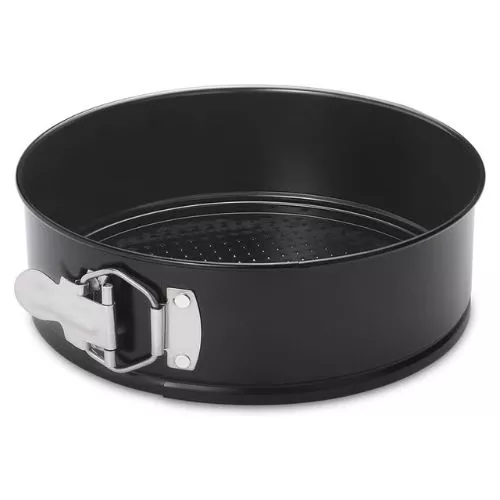
If you want that flawless rise and smooth release every time, the HIWARE 8-Inch Non-Stick Springform Pan with Removable Bottom is a must-have. It’s leakproof, sturdy, and designed specifically for delicate desserts like Japanese cheesecake.
As an Amazon Associate, I earn from qualifying purchases, at no additional cost to you.
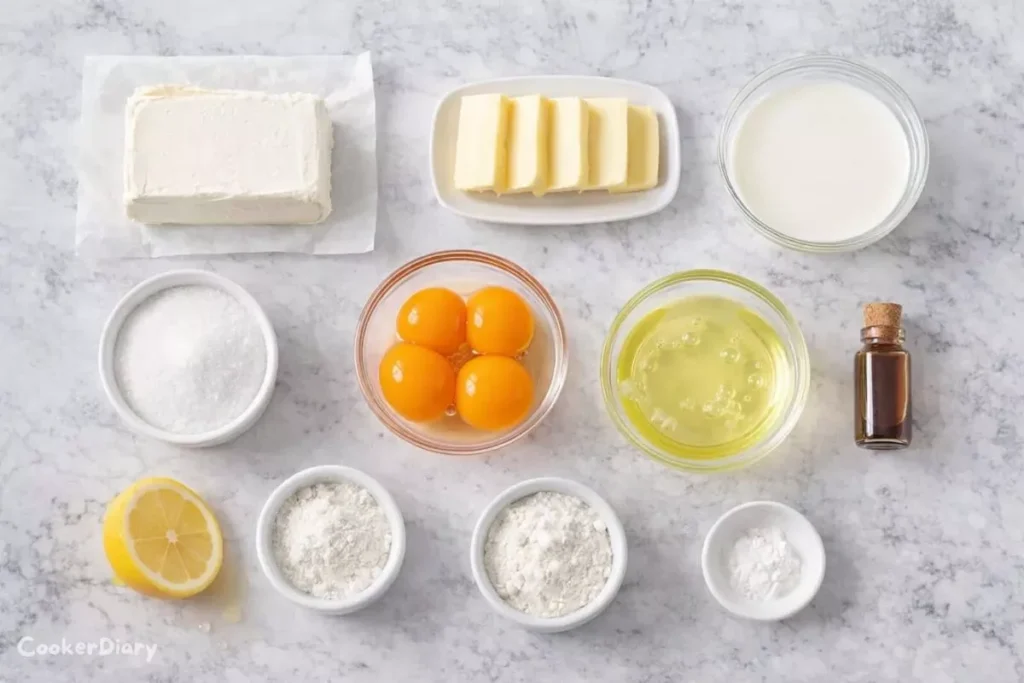
Japanese Cheesecake Ingredients
| Ingredient | Quantity |
|---|---|
| Cream cheese | 8 oz (225 g) |
| Unsalted butter | 2 tbsp |
| Whole milk | ¼ cup |
| Egg yolks | 4 |
| Egg whites | 4 |
| Granulated sugar | ¾ cup (divided) |
| Cake flour | ½ cup |
| Cornstarch | 1 tbsp |
| Lemon juice | 1 tsp |
| Vanilla extract | 1 tsp |
| Cream of tartar | ½ tsp |
Ingredient Tips & Substitutions
- Full-fat cream cheese gives the best flavor and texture.
- Cake flour keeps the cake soft. If unavailable, substitute with all-purpose flour plus cornstarch.
- Cream of tartar stabilizes egg whites, but lemon juice can work in a pinch.
- Always use room-temperature ingredients for smooth blending.
Japanese Cheesecake Instructions
- Preheat the oven to 320°F (160°C). Line an 8-inch springform pan with parchment paper. Wrap the outside with foil to prevent water from leaking in.
- In a heatproof bowl, melt cream cheese, butter, and milk over a water bath. Stir until smooth.
- Remove from heat and whisk in egg yolks and vanilla extract.
- Sift cake flour and cornstarch into the mixture and stir gently until smooth.
- In a separate bowl, beat egg whites with cream of tartar until foamy. Gradually add sugar and whip to soft peaks.
- Fold the meringue into the batter in three batches. Use gentle motions to keep the air in.
- Pour the batter into the prepared pan and tap lightly to remove air bubbles.
- Place the pan in a larger baking tray and pour hot water halfway up the sides.
- Bake for 60–70 minutes until set but slightly jiggly in the center.
- Turn off the oven and let the cake cool inside with the door slightly open for 30 minutes.
- Remove, cool completely, then refrigerate for at least 2 hours before serving.

Chef’s Tips and Variations
- Always bake using a water bath to prevent cracks.
- Avoid over-whipping the egg whites; soft peaks work best.
- Let the cake cool slowly to avoid sinking.
- For flavor variations, add:
- Matcha powder for green tea cheesecake
- Lemon zest for brightness
- Cocoa powder for a chocolate version
- Store leftovers in the refrigerator for up to 3 days.

Try these cheesecake recipes too:
- Easy Pumpkin Cheesecake Lasagna
- Easy No Bake Pumpkin Cheesecake Balls Recipe
- Burnt Basque Cheesecake Recipe
- Easy Nutella Cheesecake Bars Recipe
- Mini Caramel Cheesecakes with Peanut and Butter Recipe
- No Bake Classic Woolworth Cheesecake Recipe
Nutrition Information
| Nutrient | Per Slice |
|---|---|
| Calories | 240 kcal |
| Protein | 6 g |
| Fat | 15 g |
| Carbohydrates | 20 g |
| Sugar | 14 g |
| Fiber | 0.5 g |
| Sodium | 160 mg |
FAQs About Japanese Cheesecake
Japanese cheesecake is distinct for its incredibly light, airy, and jiggly texture. Unlike dense New York-style, it achieves a soufflé-like consistency through whipped egg whites folded into the batter and gentle baking in a water bath. This results in a cotton-soft, less sweet cake with a subtle melt-in-your-mouth quality.
It is made from cream cheese, eggs, sugar, milk, butter, and a small amount of flour or cornstarch. The key technique involves separating the eggs and whipping the whites into a meringue before folding them into the batter. This incorporates air, creating its signature lofty rise and delicate texture.
A standard slice (about 1/8 of a 6-inch cake) contains roughly 250-350 calories. This is generally fewer than dense American styles due to its lighter, airier structure and lower sugar content. The exact count depends on the specific recipe and portion size.
The texture is uniquely light, fluffy, and moist with a delicate jiggle. It is often described as cotton-soft, soufflé-like, or cloud-like. This airy structure comes from the folded-in meringue, making it significantly less dense and rich than traditional baked cheesecakes.
A Light Dessert Worth Making Again and Again
Japanese cheesecake is one of those desserts that feels special every time you make it. It’s light, delicate, and surprisingly simple once you understand the process. Whether you’re baking it for guests or treating yourself, this recipe delivers consistent results and bakery-quality texture at home.
If you enjoy desserts that are elegant yet comforting, this Japanese cheesecake deserves a permanent spot in your recipe collection.
Disclaimer:
This recipe is provided for informational purposes only. Nutritional values are estimates and may vary based on ingredients used. As an Amazon Associate, Cookerdiary earns from qualifying purchases made through affiliate links at no additional cost to you.