Japanese Pink Salt vs Himalayan Salt: What’s the Difference?

Have you ever found yourself staring at rows of colorful salt options at the store, unsure which one to choose? I remember the first time I picked up a jar labeled “Japanese pink salt.” It was elegant, almost mystical. I compared it to my usual Himalayan salt, puzzled. That moment launched a deep dive into discovering the differences between these two beautiful seasonings. Today, I’ll share what I’ve learned, including how to make your own Japanese pink salt and why you might want to consider adding it to your pantry.
Related: Easy Brazilian Mounjaro Recipe for Weight Management
What Is Japanese Pink Salt?
Origins and Cultural Relevance
Japanese pink salt is sourced from the coastal areas of Japan, especially near Okinawa and Nagano. Unlike Himalayan salt, which is mined, Japanese pink salt is traditionally extracted from seawater through solar evaporation. Its subtle pink hue often comes from the minerals present in the surrounding environment or is enhanced using natural additions like beetroot powder or sakura (cherry blossom) elements.
Unique Flavor Profile
This salt carries a gentle salinity with an umami-rich aftertaste, making it perfect for sushi rice, soups, and light seasoning. It’s not just about saltiness—it adds depth.
Natural Composition
Pink salt contains trace minerals like magnesium, potassium, and calcium. These minerals not only give it its color but also enhance its nutritional profile, albeit slightly.
How to Make Japanese Pink Salt at Home
Creating your own version of Japanese pink salt can be both fun and rewarding. It allows you to control the ingredients and flavor depth.
Equipment Needed
| Item | Purpose |
| Mortar and pestle | Grinding ingredients |
| Mixing bowl | Blending |
| Airtight container | Storage |
Ingredients
| Ingredient | Quantity |
|---|---|
| Coarse sea salt | 1 cup |
| Dried kombu (kelp) | 1 sheet |
| Beetroot powder (optional) | 1/2 tsp |
| Cherry blossom powder (optional) | 1 tsp |
| Yuzu zest (optional) | 1 tsp |
Related: What Is Japanese Soybean Paste? Uses, Types & Benefits
Instructions
- Grind the dried kombu into a fine powder using a mortar and pestle.
- Mix the sea salt with beetroot powder, cherry blossom powder, and yuzu zest.
- Combine all the ingredients in a bowl until evenly distributed.
- Store in an airtight container away from moisture.
Practical Tip: Add this salt to grilled vegetables, soups, or even popcorn for a unique flavor.
Japanese Pink Salt Recipe for Weight Loss
Start your day with this mineral-rich detox drink that may help with bloating and metabolism:
Ingredients:
- 1 glass (250ml) of warm filtered water
- 1/4 teaspoon Japanese pink salt
- Juice from 1/2 lemon
- Optional: pinch of grated ginger
Instructions:
- Stir the salt and lemon juice into warm water.
- Drink it on an empty stomach first thing in the morning.
- Wait 20 minutes before eating breakfast.
Why It Works:
- Supports hydration and digestion.
- Boosts mineral intake without spiking sodium.
- Lemon aids liver detox and metabolism.
Himalayan Salt vs Japanese Pink Salt: Key Differences
Origins and Extraction Methods
Himalayan salt is mined from the Khewra Salt Mine in Pakistan, one of the oldest and largest salt mines in the world. It is known for its coarse texture and deep pink hue, derived from its high iron content. In contrast, Japanese pink salt is a type of sea salt made through evaporation and often infused with local edible botanicals.
Nutritional Comparison
| Nutrient | Himalayan Salt | Japanese Pink Salt |
| Sodium | ~98% | ~90-95% |
| Trace Minerals | Iron, calcium, magnesium | Potassium, magnesium, calcium |
| Iodine | No (unless iodized) | Present naturally in small amounts |
Flavor and Culinary Uses
- Himalayan Salt: Strong, earthy, and great for meat and roasted vegetables.
- Japanese Salt: Mild, elegant, and perfect for rice, sushi, and soups.
The key takeaway is that while Himalayan salt is bolder and coarser, Japanese pink salt offers a refined taste suitable for delicate dishes.
Health Benefits and Common Myths
Real Health Benefits
- Both salts contain trace minerals absent in refined table salt.
- They are less processed, retaining more natural elements.
- They may help maintain electrolyte balance when consumed in moderation.
Common Myths to Avoid
- “Pink salt detoxifies the body.” There is no scientific proof that pink salt cleanses toxins.
- “All pink salts are significantly healthier.” They’re still high in sodium and should be used sparingly.
According to registered dietitian Jill Weisenberger, “Salt is salt when it comes to sodium content. What’s more important is the overall balance in your diet.”
How to Use Japanese Pink Salt in Everyday Cooking
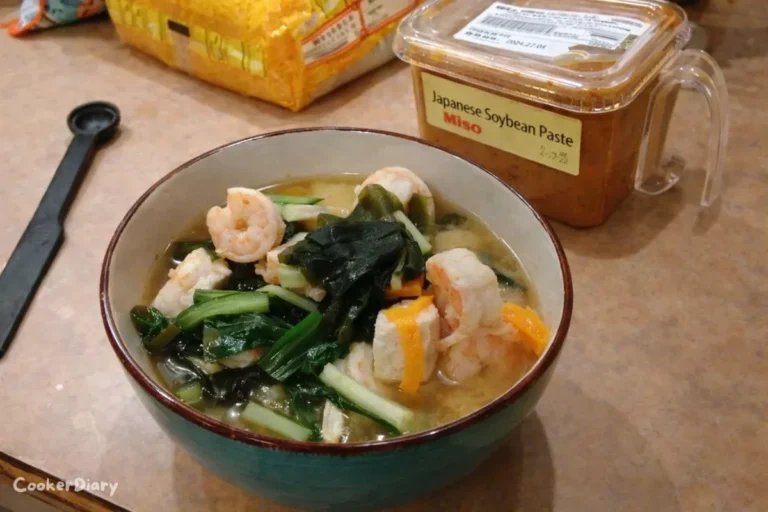
Japanese pink salt is a versatile ingredient that can elevate everyday meals with minimal effort. A light sprinkle over grilled fish or crispy tofu enhances natural flavors without overpowering them. It blends beautifully into miso soup or clear broths, adding gentle depth and balance. As a finishing touch for sushi or sashimi, it provides a clean, delicate salinity that complements rather than competes with the freshness of the ingredients.
This salt truly shines when used as a finishing element. Its subtle flavor and fine texture are best appreciated when added just before serving. While it can certainly be used during cooking, prolonged exposure to high heat may reduce some of its nuanced characteristics, making it less distinctive.
To maintain its quality, store Japanese pink salt in a glass jar or ceramic container with a tight seal. Keep it away from moisture and humidity, as clumping can affect texture. A cool, dry place will help preserve both its flavor and structure over time.
Pro Tip: A pinch on fresh melon or cucumber enhances the natural sweetness beautifully.
FAQs About Japanese Pink Salt Recipe
The four core ingredients are water, pink Himalayan salt, fresh lemon juice, and raw apple cider vinegar. Some recipes include honey as an optional fifth ingredient for sweetness. This combination creates a mineral-rich morning tonic believed to support hydration and digestion.
Yes, it offers trace minerals like magnesium and potassium lacking in modern diets. Unlike regular table salt, it provides a balanced electrolyte profile that supports hydration and may aid digestion. However, those with high blood pressure or kidney issues should consult a doctor before use.
Mix 1/4 teaspoon pink salt into 8-10 ounces of warm filtered water until dissolved. Add juice of half a lemon and 1 teaspoon raw apple cider vinegar. Stir well and drink immediately on an empty stomach, waiting 30 minutes before eating for best absorption.
Your Takeaway: Choose the Right Pink Salt for the Right Moment
Whether you’re elevating a homemade sushi night or spicing up your weekly dinner, the salt you choose can make a real difference. Japanese pink salt offers nuance and subtle umami that pairs beautifully with light, refined dishes. Himalayan salt, by contrast, excels in hearty dishes. Try them both and let your tastebuds decide.
Disclaimer: This article is for informational purposes only. Always consult with a registered dietitian or healthcare provider before making dietary changes. Also, this post may include affiliate links. If you make a purchase through these links, Cookerdiary may earn a small commission at no additional cost to you. Thank you for your support!